



Expert Insights
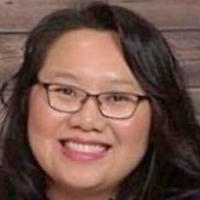
I recently learned about a program at the Medical University of South Carolina that may very well be saving lives.
ED doctor Allison Smith, hated seeing addiction take over patients’ lives when they’d arrive at the hospital in a critical condition. Instead of judging patients and discharging them, which happens at a lot of EDs, Dr Smith has developed a program to find treatment for coming to the ED with signs of substance use disorder. So far, her team, which includes a peer recovery coach and care coordinator, has treated over 70 patients with medication.
I think it’s a brilliant idea, not only that Dr. Smith is using evidence-based treatments that are now the gold standard for opioid use disorder, but she truly cares for patients rather than turning them away, while they get stuck in the system waiting for treatment. And her care doesn’t stop there, patients are monitored for over six months and she is observing good success rates – higher than other treatment programs.
~ Nikki Seay
The Cost of Drug Rehab in Charleston, SC
Each drug rehab in Charleston, SC varies in price, due to several factors:
Treatment setting (inpatient or outpatient)

Features and amenities (luxury or standard rehab facility)

Duration of program (30, 60, or 90 days)

Health insurance plan
If your chosen rehab facility is in-network with your health insurance plan

Location (city vs. suburb)
While prices vary greatly due to these considerations, the average cost of outpatient rehab in South Carolina is $1,707. For inpatient treatment in South Carolina, the average cost is $57,774. For medication assisted treatment, Charleston residents can expect to pay around $126 per week for methadone, $155 per week for buprenorphine, and $1,177 per month for Naltrexone, based on national averages.
How to Pay for Treatment in Charleston, South Carolina
While some drug rehabs in Charleston, SC can be costly, there are multiple options available to reduce the cost. Charleston residents can look to the following programs to help make drug rehab more affordable.
Private Insurance
All insurance providers must cover at least some portion of the cost of substance abuse treatment, per federal law. Coverage differs by plan and provider, so residents should contact their insurance company to learn what coverage is available for drug rehab in Charleston, SC through their specific plan.
Medicaid
Medicaid is South Carolina’s state aid program that provides medical care for those who have low income. This coverage includes substance abuse treatment. The program, called Healthy Connections, is managed by the South Carolina Department of Health and Human Services.
Medicare
Offering medical coverage for Charleston residents 65 or older or who have certain qualifying medical conditions, Medicare is a nationwide program that can reduce treatment costs. Several Medicare plans are available, and each provides different coverage. However, not all drug rehabs in Charleston, SC accept Medicare as a form of payment, so it’s important to confirm whether they accept Medicare before enrolling in a program.
Sliding Scale Rehabs
With this option, you are required to pay only what you can afford for treatment, based on your income. Most drug rehabs in Charleston, SC ask for proof of income to qualify individuals for this discount.
TRICARE
TRICARE is the federal program that provides health insurance for active-duty service members and their families, as well as retirees, survivors, and some former spouses. This coverage includes substance abuse treatment.
IHS-Funded Drug Rehabs
Indian Health Service (IHS) offers health coverage for Alaskan Natives and American Indians. Through this service, these populations can receive low-cost or no-cost drug rehab in Charleston, SC.
Making Drug and Alcohol Rehab More Affordable
For those who are under-insured or uninsured, it can be difficult to pay for rehab. However, financing options are available for those who qualify. If treatment cost is a challenge for you, consider the following options.
Choose a Program Offering Payment Plans:
Many drug rehabs in Charleston, SC offer payment plans. This allows you to make small weekly or monthly payments for treatment rather than pay the entire amount up front. Most programs charge a fee or interest to use this type of plan.

Apply for a Rehab Scholarship:
Corporations, nonprofit organizations, and treatment facilities offer many scholarships for drug rehab in Charleston, SC. These are awarded based on financial need and personal circumstances. To learn about any opportunities available, check with local treatment facilities.

Ask About Sliding Scale Payment Options:
Because not all drug rehabs in Charleston, SC advertise this option, it’s important to ask if it’s available. Sliding scale payment lets you pay an amount for treatment that is based on your income, so you can afford it. Most facilities require proof of income to participate in this type of program.
Resources
- The Post and Courier. (2021) Rising gang activity fueling the drug trade in SC’s Lowcountry, police say.
- Bureau of Justice Assistance. (2021). Charleston County Addiction Crisis Task Force: Police Assisted Peer Recovery Outreach Initiative.
- Centers for Disease Control and Prevention. (2023) Provisional County Drug Overdose Deaths.
- South Carolina Department of Alcohol and Other Drug Abuse Services. (2020). South Carolina County-Level Profiles on Substance Use-Related Indicators
- National Institute on Drug Abuse. (2021). How much does opioid treatment cost? National Institute on Drug Abuse.