








Substance Abuse Statistics in Dearborn
Here is some data concerning drug abuse in Dearborn and Wayne County:2,3

80% of drug overdose deaths in Wayne County were due to fentanyl abuse.

There were over 6,000 admissions into drug rehab due to heroin use in Wayne County in 2019.

19% of adults in Wayne County reported excessive drinking.
38% of individuals, the majority receiving treatment, were admitted for alcohol abuse in 2019.
28% of traffic deaths in Wayne County had involvement with alcohol.
Paying for Rehab in Dearborn
If the cost of treatment is stopping you from getting the treatment you need, you have options for low-cost or free rehabs.

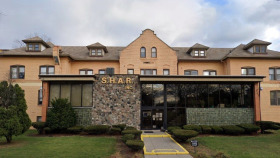
Charitable Organizations: Some charities offer low-cost or free help to those who can’t afford to pay for treatment. These organizations are able to provide rehab due to monthly contributions from donors. The Salvation Army is one such charitable organization that offers free rehab to those in need. You may have to fill out an application or submit proof of income to be eligible.

Rehab Scholarships: Non-governmental organizations like SAMHSA and other private funders award grant money to treatment programs. The grant funds allow programs to provide care at a lower cost to participants. These treatment programs may include inpatient or outpatient options.

State-Funded Rehab: State-funded centers receive funding from the state of Michigan to provide free or low-cost treatment to individuals with a low income. These types of facilities can include methadone clinics, which provide medication to individuals struggling with opioid use disorder. To be eligible for state funding, you may have to fill out an application and/or submit proof of income.
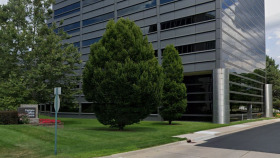
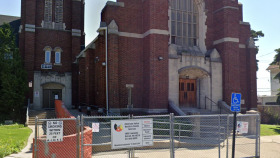
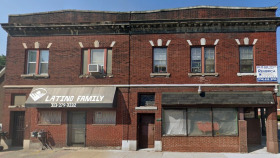
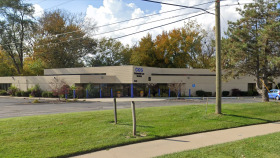
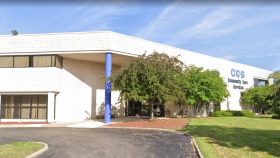
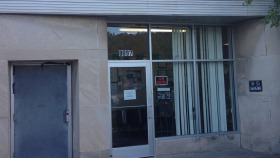
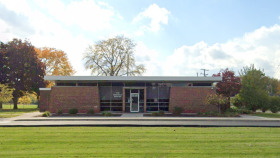
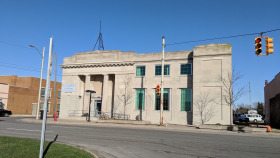
Here are some free and low alcohol and drug rehab centers in and near Dearborn:
- Jefferson House
- ACC Dearborn
- American Indian Health and Family Services of SE Michigan
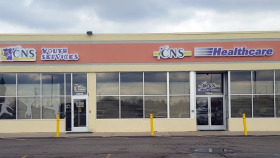
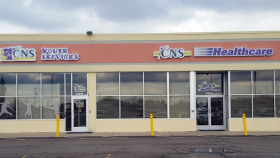
- CNS Healthcare
Additional Dearborn Payment Options

Michigan Medicaid
Michigan’s Medicaid program provides health insurance to low-income residents. It covers various treatment services like inpatient and outpatient substance abuse treatment. Make sure to ask if the treatment center you’re interested in accepts Medicaid.
Michigan Medicare
Michigan Medicare is a government program providing coverage to residents with end-stage renal disease and those over the age of 65. You can use Medicare to cover the cost of drug addiction treatment services. Some rehabs don’t accept Medicare insurance, so it’s important to do your research.
Private Insurance
By law, all insurance providers are required to cover substance abuse and mental health treatment services in some capacity. Call your provider to learn about your specific coverage, including your deductible and copay.
TRICARE in Michigan
Michigan TRICARE is a government program providing health insurance coverage to the U.S. Armed Forces military personnel, veterans, and their families and dependents. TRICARE covers addiction treatment services, such as rehab and medication-assisted treatment.
IHS-Funded Drug Rehabs
Ceters funded by the Indian Health Service provide free addiction treatment to Indigenous people in the U.S. and Alaskan Natives.
Private Insurance, Medicare, and Medicaid
If you don’t qualify for state funding or a scholarship, you can still reduce your out-of-pocket costs. Using your private health insurance to pay for treatment can greatly reduce or even eliminate your costs.
Depending on your insurance policy and provider, private insurance like Blue Cross Blue Shield or Cigna may pay for all or a portion of rehab. Always check with your provider to find a center to prevent unexpected costs.
You may not have private insurance. If you don’t, you may still be able to attend rehab for a greatly reduced cost or even for free. Programs like Medicare and Medicaid can help decrease the costs of rehab making it easier for you to get the quality care you need.
Medicare is a program that receives federal government funding. Medicare offers health benefits to people who are at least 65 years old. Some individuals with disabilities who are younger than 65 may also qualify. Medicare pays for rehab, but you must choose a licensed alcohol or drug rehab center.
Some of the therapies that Medicare covers include:4
- Inpatient
- Outpatient
- Partial hospitalization programs
- Mediations prescribed during treatment to help you enter short-term recovery
- Hospitalizations due to drug or alcohol abuse
- Patient education materials to help you understand substance abuse better.
Medicaid is a program that receives both state and federal money to provide health care coverage to individuals and families that have a low income.
Medicaid is required by law to cover alcohol and drug rehab. Some of the therapies that Medicaid covers include:5
- Assessment services
- Referral services
- Methadone or MAT
- Inpatient
- Detox
- Outpatient
To qualify for Medicare, you must be able to collect Social Security and be at least 65 years of age or have a qualifying disability. To qualify for Medicaid, you must be considered as having a low income.
Using Medicaid and/or Medicare to pay for rehab can help make the costs of treatment more affordable and help you on the road to long-term recovery.
Resources
- University of Michigan Injury Prevention Center. (2022). Welcome to the Michigan System for Opioid Overdose Surveillance.
- National Drug Early Warning System. (2020). Wayne County (Detroit Area) Sentinel Community Site (SCS). Drug Use Patterns and Trends 2020.
- University of Wisconsin Population Health Institute. (2022). County Health Rankings and Roadmaps:Michigan-Wayne County.
- Center for Medicare Advocacy. (2022). Medicare Coverage of Mental Health and Substance Abuse Services. medicareadvocay.org.
- Michigan Department of Community Heath. (2022). Medicaid Mental Health and Substance Abuse Services.