




Expert Insights
The Cherokee Nation of Oklahoma is the nation’s largest Native American tribe, with well over 441,000 currently enrolled citizens. They are also a member of the states who sued pharmaceutical giants who played a large role in creating and expanding the nation’s opioid crisis back in 2017. The pharmaceutical companies agreed to a settlement, and the Cherokee will receive a large portion of that settlement amount.
As for the Cherokee Nation of Oklahoma, they plan to use $18 million of the total $98 million in opioid settlement funds to build a 50-bed, 17,000-square-foot treatment facility in Tahlequah, Oklahoma, which is the headquarters for the tribe. TAccording to tribal spokespeople, the facility will be completely operated by members of the tribe and provide free addiction treatment for Cherokee Nation citizens who need services.
How We Rank Listings
Our directory is built to help you compare real treatment options, not to sell placement. Every facility listed here is a licensed or accredited provider drawn from public data sources, including SAMHSA’s treatment locator, state licensing records, and accrediting bodies such as the Joint Commission and CARF.
We prioritize listings that show verifiable credentials, a clear level of care, and transparent payment and insurance information. Where possible, we confirm details directly with the facility. Listings are organized to surface the information that matters most when you are choosing care: location, the levels of care offered, accepted insurance and payment types, and any specialty programs. We do not accept payment in exchange for higher placement, and sponsored results, when shown, are always labeled.
Rehab in Oklahoma City: What to Know
Oklahoma City is the state capital, the seat of Oklahoma County, and the anchor of a metro area of roughly 1.5 million people, so it holds the largest concentration of addiction treatment in the state.
Our directory lists 63 rehab facilities in and around the city, spanning medical detox, residential care, and outpatient services. If you want to see how local options fit into the statewide picture, you can browse the full Oklahoma rehab directory for facilities in nearby cities like Norman, Edmond, and Moore.
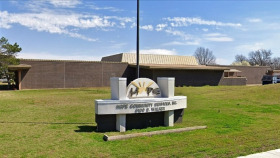
Much of the city’s behavioral health safety net runs through Certified Community Behavioral Health Clinics. Oklahoma was the first state to convert all of its former community mental health centers to the CCBHC model, and Oklahoma City is home to two of the three original demonstration sites: NorthCare and Red Rock Behavioral Health Services. These clinics are required to serve anyone who asks for help regardless of ability to pay, which makes them a common entry point for residents without insurance. HOPE Community Services covers much of south Oklahoma City with outpatient behavioral health and housing support.
The city also runs treatment through its courts. NorthCare is the behavioral health provider for Oklahoma County Drug Court, DUI Court, Mental Health Court, and Veterans Treatment Court, so a share of local admissions arrive through diversion programs rather than walk-in intake. For anyone weighing where to start, our overview of addiction treatment options explains how detox, residential, and outpatient care connect.
Substance use patterns in Oklahoma County track the statewide picture, where methamphetamine and fentanyl now drive most overdose deaths. Fentanyl’s role in the local drug supply has reshaped what treatment looks like, pushing more programs toward medication-assisted treatment and same-day access. Readers who want the clinical background can review our guide to opioid use disorder.



Cost of Rehab in Oklahoma City
Cost is one of the biggest concerns for people seeking treatment, and it varies widely by the level of care and length of stay. There are no published facility-specific price averages for Oklahoma City on its own, so the figures below reflect statewide Oklahoma averages, which are a reasonable guide for the metro. Oklahoma ranks among the more affordable states for treatment, with a blended average cost of about $54,475 without insurance. Because Oklahoma City’s cost of living is higher than most of the state, local prices are likely to fall at or slightly above these state averages. Most people do not pay the full sticker price; insurance, verifying your rehab benefits, and sliding-scale programs bring the real cost down substantially.
Several factors move the final number up or down, from the type of program to the amenities offered. Comparing an inpatient rehab stay against outpatient care is often the single biggest cost decision, since residential treatment carries the price of housing and around-the-clock staffing.




How to Pay for Rehab in Oklahoma City
Across the 63 facilities in the Oklahoma City area, most accept more than one way to pay, and many combine insurance with sliding-scale fees or financial assistance to make care reachable. The breakdown below shows how many local facilities accept each payment type. Whatever your situation, there is usually more than one path to covering treatment.






The right payment route depends on your coverage and income. Here is how the most common options work for Oklahoma City residents.
Medicare
Medicare covers medically necessary addiction treatment for adults 65 and older and for some younger people with disabilities. Fifteen Oklahoma City facilities accept it. Coverage generally includes inpatient hospital detox, outpatient counseling, and, under Part B and Part D, medications used in treatment.
Confirming what your specific plan covers before admission avoids surprise bills; our guide to using insurance for rehab walks through how Medicare applies to different levels of care.
Medicaid (SoonerCare)
SoonerCare, Oklahoma’s Medicaid program, is the most widely accepted public coverage in the city, taken by 38 area facilities. Since April 2024, most members have received benefits through SoonerSelect managed care plans, offered by Aetna Better Health of Oklahoma, Humana Healthy Horizons of Oklahoma, and Oklahoma Complete Health. SoonerCare covers a full continuum of substance use care, including detox, residential treatment at defined ASAM levels, and medication-assisted treatment, including methadone through certified opioid treatment programs.
Prior authorization is commonly required for residential and inpatient services, so it helps to confirm that your chosen program is in network for your specific plan. SoonerCare also offers free non-emergency medical transportation to covered appointments through SoonerRide at 877-404-4500.
Military Benefits
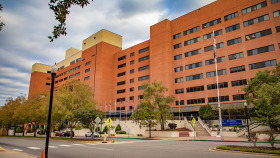
Fourteen Oklahoma City facilities accept TRICARE, and veterans have a dedicated option at the Oklahoma City VA Medical Center’s Substance Treatment and Recovery (STAR) Clinic, which offers same-day help. Our rehab resources for veterans cover eligibility and how to combine VA care with community treatment.
Insurance and Private Pay
Forty area facilities accept private health insurance, and 56 accept self-payment. Under federal law, marketplace and employer plans must cover some level of substance use treatment, though the exact share depends on your plan, network, and any prior authorization requirements. Many people combine partial insurance coverage with a payment plan or financing to cover the balance.
Other Low-Cost Options
Twenty-one facilities offer sliding-scale fees tied to income and household size, and 30 offer some form of financial assistance. Oklahoma City’s CCBHCs, including NorthCare and Red Rock, are required to serve people regardless of ability to pay, which makes them a reliable starting point if cost is the main barrier.
Free Treatment Programs
Four area facilities offer free treatment outright, and additional no-cost or heavily subsidized care is available through the community behavioral health system and grant-funded programs. If you are exploring ways to close a funding gap, our overview of rehab scholarships explains another route to reduced-cost care.
- Aetna Better Health
- Blue Cross Blue Shield of Oklahoma
- Cigna
- Humana
- Oklahoma Complete Health
- UnitedHealthcare
- SoonerCare
- Medicare
- TRICARE
Levels of Care Available in Oklahoma City
Oklahoma City offers treatment across the full continuum, from medically supervised detox to long-term outpatient support. The directory includes 21 detox facilities, 26 inpatient programs, and 54 outpatient clinics, giving residents options at every stage of recovery.




Medical detox is the first step for many people with physical dependence, managing withdrawal safely under clinical supervision. With 21 detox facilities in the area, Oklahoma City residents have solid local access to supervised detox before moving into ongoing treatment.
Inpatient and residential rehab provide 24-hour care in a structured setting, typically over 30 to 90 days. The city’s 26 residential treatment programs range from hospital-based inpatient units to longer-term residential facilities, including NorthCare’s Family Treatment Center for women and their children.
Partial hospitalization programs sit between residential and outpatient care, offering intensive daytime treatment while clients live at home or in sober housing. Six area facilities offer PHP, and SoonerCare recognizes it as both a step-down from inpatient care and an alternative to it.
Outpatient rehab is the most common level of care locally, with 54 clinics. These programs let people keep working or attending school while receiving therapy, and range from standard weekly counseling to intensive outpatient programs. Many local outpatient providers also deliver medication-assisted treatment for opioid and alcohol use disorders.
Dual diagnosis care addresses substance use alongside conditions like co-occurring depression or anxiety. With 42 facilities offering integrated treatment, this is a strength of the local system, reflecting the CCBHC model’s emphasis on treating mental health and addiction together.
Sober living homes support the transition back to daily life after formal treatment. The city has 9 sober living options, which pair well with rehab aftercare and ongoing outpatient support.
Specialty Programs in Oklahoma City
Beyond standard levels of care, many Oklahoma City facilities tailor treatment to specific groups and needs. These specialty tracks recognize that recovery looks different depending on someone’s background, age, and the substances involved.






Alcohol remains the most commonly treated substance locally, with 48 programs offering alcohol use disorder care, closely followed by 42 programs treating opioid use disorder. For LGBTQ+ residents, 10 facilities offer LGBTQ+ affirming addiction care, and NorthCare operates Q Space, an LGBTQ+ youth outreach program.
Veterans have 10 dedicated programs in addition to the VA’s own STAR Clinic. Programs for young adults and older adults round out the options, reflecting the wide age range affected by substance use across the metro.
Free and Low-Cost Rehab Resources in Oklahoma City
Cost and insurance should never be the reason someone goes without help. Oklahoma City has a broad network of free and low-cost resources, from 24-hour crisis lines to naloxone distribution and community clinics that serve everyone regardless of ability to pay. The options below are starting points; many connect you to additional services once you reach out.
Crisis and Immediate Help
- 988 Suicide and Crisis Lifeline (Oklahoma): Call or text 988 for free, confidential support 24/7. Oklahoma’s lifeline connects callers to mobile crisis teams and can schedule same-day or next-day appointments at community clinics. See our crisis support resources for more.
- NorthCare 24/7 Crisis Line: 405-858-2700, serving Oklahoma and Logan counties for anyone experiencing a mental health or substance use crisis. https://www.northcare.com/index.php/your-first-visit/
- SAMHSA National Helpline: 1-800-662-HELP (4357), a free, confidential, 24/7 treatment referral line. https://www.samhsa.gov/find-help/helplines/national-helpline
- 211 Oklahoma: Dial 211 (operated for western Oklahoma by Heartline) for referrals to local social services, treatment, and financial assistance. https://211eok.org/211-oklahoma/
County and Community Providers
- NorthCare: A Certified Community Behavioral Health Clinic offering outpatient treatment, MAT, and residential care; no one is denied services for inability to pay, and a sliding-fee schedule is available. 2617 General Pershing Blvd., Oklahoma City. 405-858-2700. https://www.northcare.com/
- Red Rock Behavioral Health Services: One of Oklahoma’s largest nonprofit community mental health centers, offering crisis services, outpatient therapy, and case management on a sliding-fee basis. redrockbhs.com.
- HOPE Community Services: A nonprofit outpatient center serving south Oklahoma City with behavioral health, addiction services, and housing support since 1980. hopecsi.org.
- Oklahoma City-County Health Department: Public health services for Oklahoma County residents. occhd.org.
Harm Reduction and Naloxone
- OK I’m Ready (ODMHSAS): Free naloxone and fentanyl test strips mailed statewide, plus guidance on recognizing and reversing an overdose, at okimready.org.
- Naloxone vending machine: The state has installed a free naloxone and fentanyl test strip vending machine at the EMBARK bus station in downtown Oklahoma City, the state’s largest transit hub. https://oklahoma.gov/odmhsas/about/public-information/press-releases-and-other-news/2025/community-partners-to-lead-narcan-vending-machine-effort-across-.html
Veterans and Military
- Oklahoma City VA Medical Center, STAR Clinic: Substance Treatment and Recovery services with same-day access for enrolled veterans. 921 NE 13th Street, room 3A137. 405-456-3278. https://www.va.gov/oklahoma-city-health-care/
- Veterans Crisis Line: Call 988 and press 1, or text 838255, for 24/7 confidential support. https://www.veteranscrisisline.net/
Government and Medicaid
- Oklahoma Department of Mental Health and Substance Abuse Services (ODMHSAS): The state agency overseeing treatment, prevention, and crisis services. 405-248-9200. https://oklahoma.gov/odmhsas.html
- SoonerCare Helpline: 800-987-7767 for Medicaid eligibility, enrollment, and provider questions; apply at mysoonercare.org.
Drug and Alcohol Use Statistics in Oklahoma City
Oklahoma recorded 1,278 drug overdose deaths in 2023, the highest annual total since state records began in 1999, before a notable decline in 2024. Methamphetamine and fentanyl now drive the crisis, a sharp shift from the prescription-opioid era of the 2010s.
The figures below put the local and statewide picture in context; because Oklahoma County-specific counts for the most recent years are not published separately, several figures reflect statewide data.
The most recent state data shows the crisis easing somewhat while its composition keeps shifting toward methamphetamine and synthetic opioids.
Methamphetamine was involved in about two out of three Oklahoma overdose deaths in 2024, making it the state’s most common substance in fatal overdoses. Locally, overdose death rates vary across the metro. Canadian County, part of the Oklahoma City area, recorded a rate of about 20 per 100,000 in 2023, below the statewide rate of roughly 32 per 100,000.
These patterns underscore why local programs increasingly pair fentanyl overdose risk education with medication-assisted treatment and widespread naloxone access. For national context, see our overview of national substance use statistics.
Resources
- USAFacts. (2026). How many drug overdose deaths happen every year in Oklahoma? https://usafacts.org/answers/how-many-drug-overdose-deaths-happen-every-year-in-the-us/state/oklahoma/
- Oklahoma State Department of Health, Injury Prevention Service. (2025). Drug Overdose Data. https://oklahoma.gov/health/health-education/injury-prevention-service/drug-overdose/data.html
- Oklahoma Department of Mental Health and Substance Abuse Services. (2024). OK I’m Ready overdose prevention and naloxone distribution. https://okimready.org/
- Oklahoma Health Care Authority. (2025). SoonerCare Behavioral Health and Substance Abuse Services. https://oklahoma.gov/ohca/individuals/mysoonercare/soonercare-benefits/behavioral-health-and-substance-abuse-services.html
- U.S. Department of Veterans Affairs. (2025). VA Oklahoma City health care: Substance Treatment and Recovery (STAR) Clinic. https://www.va.gov/oklahoma-city-health-care/make-an-appointment/
- Healthy Minds Policy Initiative. (2023). Community mental health and the CCBHC model in Oklahoma. https://www.healthymindspolicy.org/research/knowledge-base-community-mental-health-and-the-ccbhc-model-in-oklahoma