
Cocaine use disorder can begin to take over a person’s life, but treatment can help. In 2025, the Substance Abuse and Mental Health Services Administration (SAMHSA) estimated that 1.4 million people ages 12 and older had a cocaine use disorder. Read on to learn how it affects daily life, what to expect during the first weeks without cocaine, the risks of continued use and which treatments have the strongest evidence behind them.
Key Points About Cocaine Addiction
- Cocaine use disorder affected about 1.4 million people 12 and older in 2025, SAMHSA’s national survey found.
- Crack is the same drug, processed into a rock and smoked, so it arrives faster and fades sooner.
- Dilated pupils, binges, money trouble and paranoia are signs, though most of them have other causes.
- Coming off cocaine rarely turns medically dangerous, but low mood and suicidal thinking can follow; 988 is always open.
- The FDA has approved no drug for cocaine use disorder; contingency management, which rewards drug-free tests, carries the best evidence.
- Naloxone can reverse an opioid overdose, and most cocaine-involved overdose deaths also involve opioids.
What Is Cocaine Addiction?
Cocaine is a powerful stimulant, and cocaine addiction is the common name for what clinicians diagnose as cocaine use disorder. It falls under the broader category of stimulant use disorder. Someone with this condition continues using cocaine despite the harm it causes to their health, finances, work or relationships. Even when they want to stop, doing so can be difficult. A clinician can make that diagnosis alone, and the DSM-5-TR, the standard diagnostic manual, sets out the criteria it rests on.
Cocaine comes from the leaves of the coca plant. It acts by binding to the dopamine transporter, blocking the removal of dopamine from the synapse. Dopamine is the neurotransmitter that signals reward, so instead of clearing it, it surges, driving the high and the desire to use again, all of which can lead to addiction.
Under federal law, cocaine is a Schedule II drug, which the Drug Enforcement Administration (DEA) describes as having a high potential for abuse. In 2025, 4.9 million people aged 12 or older, or 1.7 percent, used cocaine in the past year, and 1.4 million, or 0.5 percent, had a cocaine use disorder, according to the National Survey on Drug Use and Health from the Substance Abuse and Mental Health Services Administration (SAMHSA).
4.9 million
Past-year cocaine use among people 12 and older, 2025
1.4 million
Cocaine use disorder among people 12 and older, 2025
Cocaine’s effects wear off quickly, which can lead people to take repeated doses over a short period. These binges often last 12 to 18 hours, though some continue for two or three days or longer. People may keep using until they run out of cocaine or become too exhausted to continue.
Related articleHow Addictive Is Cocaine?Cocaine is an addictive stimulant drug. It is often used repeatedly in one binge episode, which contributes greatly to the development of addiction.
Cocaine and Crack
Crack is a form of cocaine processed into small rocks that are smoked. Cocaine becomes crack by processing the drug with ammonia or sodium bicarbonate (baking soda) and water. The name refers to the crackling sound the rock makes as it heats.
It contains the same drug as powder cocaine and can lead to the same cocaine use disorder. What’s different is the timing: a smoked high comes on fast and fades within minutes. That steep drop may prompt a person to take another dose soon after.
In 2025, 986,000 people aged 12 or older, or 0.3% of that age group, used crack in the past year, according to the Substance Abuse and Mental Health Services Administration (SAMHSA).
Related articleCrack Addiction: Risks, Symptoms, and TreatmentCrack cocaine is a very addictive and harmful stimulant drug. It can harm your heart and lungs, as well as other parts of your body, and can cause psychosis, violent…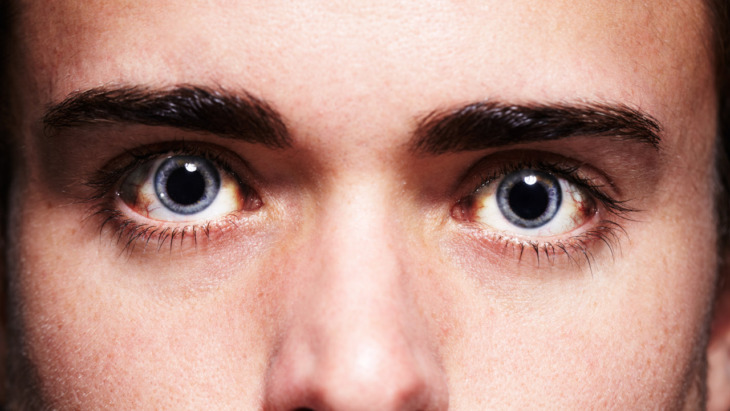
A snorted high lasts from 15 to 30 minutes; a smoked one lasts only 5 to 10 minutes.
| Form | How it is used | How fast it takes effect | How long the high lasts |
|---|---|---|---|
| Powder cocaine | Usually snorted; can be dissolved and injected | Relatively slow when snorted | 15 to 30 minutes when snorted |
| Crack | Smoked | More immediate when smoked | 5 to 10 minutes when smoked |
Treatment options are the same for both forms of cocaine. The same behavioral therapies and levels of care are used whether someone uses crack or powder cocaine.
Signs and Symptoms of Cocaine Addiction
Cocaine addiction shows up in the body, in behavior and in mood. It can present as dilated pupils, nosebleeds and poor sleep and appetite. In addition, binges, money problems, pulling away from people, irritability, anxiety and paranoia are common.
Many of these signs, though, have other causes, so the goal is a conversation and a doctor visit, not a verdict.
Physical Signs
Many physical signs of cocaine use are obvious because it acts as a stimulant. These include enlarged pupils that don’t get smaller when a light shines into the eyes, muscle tremors, increased heart rate and blood pressure, fever and sweating. It can also temporarily decrease the need for food and sleep. Snorting adds its own set of physical symptoms, including sinus problems, congestion and nosebleeds.
- Pupils that stay large in bright light
- Trouble sleeping and loss of appetite
- Racing heart and higher blood pressure
- Muscle tremors, sweating or fever

Behavioral Signs
How someone uses, and what it costs them, is often the clearest evidence. After a binge of 2 to 3 days, a person may sleep excessively for 24 to 48 hours.
- Binges that end when the drug runs out
- Money, legal or relationship trouble
- Pulling away from family, friends and activities
- Attempts to cut back that keep failing


Psychological Signs
Mood and thinking shift with use, and worsen during a binge. Heavy use can increase irritability and restlessness, bring on panic attacks and paranoia and even lead to psychosis, agitation and confusion.
- Irritability and a short temper
- Anxiety that outlasts the high
- Paranoia or suspicion toward people they trust
- In some cases, psychosis



The DSM-5-TR grades cocaine use disorder by how many of its 11 criteria someone meets over 12 months; 2 or 3 is mild, 4 or 5 is moderate and 6 or more is severe. In 2025, about 577,000 of the 1.4 million people with a cocaine use disorder, about 4 in 10, had a severe one, according to SAMHSA’s National Survey on Drug Use and Health.
Worried About Someone Who Uses Cocaine?
Choose a time when the person isn’t high or coming down and talk about what you’ve noticed. A doctor can help determine whether something else may be going on, and how to help a loved one with addiction offers guidance on what to do next.
If they mention suicide, call or text 988, or chat online at 988lifeline.org. If someone is in immediate danger, call 911.
Related articleBehavioral Signs of Cocaine AddictionCocaine use disorder can be hard to spot, especially in its early stages. This guide covers the most common behavioral changes, from euphoria and hyperactivity to paranoia and social withdrawal,…
Cocaine Withdrawal: What to Expect and How to Stay Safe
Cocaine withdrawal is not usually medically dangerous, but depression and suicidal thoughts can arise. A crash follows almost right away when use stops, and withdrawal symptoms typically persist for about 1 to 2 weeks, though the craving and depression can last for months after stopping long term heavy use. The greatest risk is self harm.
Symptoms commonly seen include fatigue, depressed mood, agitation, increased appetite, vivid and unpleasant dreams and slowed activity. How long each phase lasts varies by person and by the amount and length of use, so the timings are a guide rather than a schedule. The timeline breaks the phases down day by day.
| Phase | Typical timing | What may happen |
|---|---|---|
| Crash | Soon after use stops; some people report an onset of 1 to 2 days following the last dose, lasting several days | Anxiety, agitation, low mood and exhaustion, with a strong need for sleep |
| Acute withdrawal | About 1 to 2 weeks | The symptoms above, at their steadiest |
| Post-acute | After long-term heavy use, weeks to months | Low mood and cravings can linger, and thoughts of suicide can surface |
There are no medicines to reduce cravings for cocaine, though research is ongoing.
Related articleCocaine Withdrawal Timeline: Symptoms and Detox StagesComing off cocaine rarely needs a supervised taper, but the mood that follows can be the hardest part of it. This look at the cocaine withdrawal timeline covers what each…
If someone has been abusing alcohol or benzodiazepines along with cocaine, stopping them abruptly, especially after heavy or regular use, can be dangerous. For this reason, talk to a doctor or a medical detox program first.
Crack cocaine follows the same pattern and timing, so crack withdrawal closely matches the table above.
Call or text 988 now if suicide is on your mind, or on the mind of someone you love. The line is free and confidential.A chat option is open at 988lifeline.org around the clock.
Call 911 if someone is not responding, or has chest pain, a seizure, trouble breathing or a very high temperature.
Treatment and Help for Cocaine Addiction
Treatment for cocaine addiction relies on behavioral therapies. Contingency management, an approach that rewards people for drug free tests, has the strongest evidence. Contingency management, or CM, gives a person tangible rewards, often vouchers or prizes, when a drug test comes back negative. CM works best as part of a broader plan, and programs offering contingency management and other therapies usually pair it with counseling.
Currently, there are no medications approved by the U.S. Food and Drug Administration to treat cocaine use disorder.
Related articleDrug & Alcohol Addiction TherapyAddiction therapy works on more than stopping use. It looks at the reasons behind substance use, like triggers, stress and cravings, and each program blends its own mix of approaches…
CM should be a primary component of the treatment plan, a strong recommendation backed by high certainty evidence. Cognitive behavioral therapy (CBT) is also strongly recommended, with moderate certainty evidence.
Recovery continues after a formal program ends. Many people keep up with continuing care, which can mean regular counseling check-ins, mutual support groups and family therapy to rebuild trust at home.
Treatment spans several levels of care, from outpatient to residential. A program or clinician can explain what each involves, and a clinical assessment will determine what fits. Every Marketplace plan covers mental health and substance use services as essential health benefits, so checking your insurance benefits is a practical first step. FindTreatment.gov lists treatment programs, and SAMHSA’s National Helpline, a public treatment information line, is at 1-800-662-HELP (4357).
Contingency management
Cognitive behavioral therapy
Level of care
Insurance
Risks and Effects of Cocaine Use
Cocaine speeds up activity in the brain and body. It increases heart rate, blood pressure and body temperature and has the potential to trigger a heart attack, a stroke or a seizure. This can happen even with first-time use. Many cocaine-related overdose deaths also involve opioids. If you suspect an overdose, call 911 and give naloxone if available, as it can reverse an opioid overdose and may save a life.
The Heart and Brain
Short term effects include constricted blood vessels, dilated pupils and increased body temperature, heart rate and blood pressure. A narrowed vessel and a racing heart are part of why a stimulant can trigger a heart attack, a stroke or a seizure. In rare instances, sudden death can occur on the first use of cocaine or unexpectedly thereafter.
Risks by How Cocaine Is Used
- Snorting (nasal insufflation): sinusitis, loss of smell, nosebleeds and perforation or necrosis of the nasal septum.
- Smoking crack: acute alveolitis, known as “crack lung,” in people who smoke cocaine: severe chest pain, difficulty breathing and a high fever.
- Injecting: sharing unsterile needles can pass on HIV and hepatitis B and C. Injecting can also cause skin infections such as cellulitis and abscesses, along with infectious endocarditis, a heart infection.
Overdose and Fentanyl
Overdose deaths involving cocaine have been falling. The cocaine-involved death toll for 2024 was 21,945 people in the U.S., down from 29,449 in 2023, a drop of 26.7%, taking it to 6.3 per 100,000 from 8.6, according to the Centers for Disease Control and Prevention (CDC). Among overdose deaths in 49 states and Washington, D.C. between January 2021 and June 2024, 30.0% involved cocaine, and 79.1% of those deaths also involved opioids.
79.1%: cocaine-involved overdose deaths that also involved opioids, January 2021 to June 2024
As of 2022, the CDC had recorded confirmed cases of fentanyl-contaminated stimulant products, usually cocaine and crack cocaine, with many people unaware that their drugs contain it.
A stimulant overdose is commonly characterized by dangerous overheating, which can lead to unconsciousness. It can also include seizures, loss of awareness of surroundings, heavy sweating, bluish skin, fast or difficult breathing, and a very fast or irregular heart rhythm. A crack overdose presents the same way.
The CDC advises giving naloxone when opioids could be present, though naloxone does not reverse the effects of a stimulant. The American Society of Addiction Medicine says clinicians should prescribe or distribute naloxone to people who use stimulants from nonmedical sources, and recommends drug checking, including fentanyl test strips.
Emergency Warning Signs
Get emergency help for:
- A seizure or convulsions
- A very fast or irregular heart rhythm
- A high body temperature with severe sweating
- Bluish skin, or fast or difficult breathing
- Loss of awareness of surroundings
Call 911.
Frequently Asked Questions About Cocaine Addiction
Is cocaine addictive?
Yes. Cocaine works on dopamine within the brain’s reward system. That effect is what makes the next dose feel worth chasing. Repeated use can tip into cocaine use disorder, where a person keeps using despite the harm it causes. How addictive cocaine is comes down to how firmly that reward loop holds.
What is cocaine use disorder?
Cocaine use disorder is the clinical name for cocaine addiction. A clinician makes the diagnosis by counting 11 DSM-5-TR criteria over 12 months; the count determines the grade, from mild through moderate to severe. In 2025, 1.4 million people had a cocaine use disorder, according to the National Survey on Drug Use and Health. The signs of cocaine use disorder are what those criteria describe.
Is cocaine withdrawal dangerous?
Not usually, at least not medically. The greater concern is mood: depression and suicidal thoughts can come with cocaine withdrawal, along with a risk of overdose. The greatest risk is harm to self. Call or text 988, the Suicide & Crisis Lifeline. If opioids could be present, the CDC advises having naloxone on hand.
How long does cocaine withdrawal last?
The crash begins soon after a person stops using and can go on for several days. Most symptoms settle within 1 to 2 weeks. However, when use has been heavy and long-term, cravings and a low mood can hang on for months. The cocaine withdrawal timeline traces each stage.
What is the difference between cocaine and crack?
They are two forms of the same drug. Crack is cocaine processed into rocks and smoked, while powder cocaine is usually snorted or injected. The smoked high lasts 5 to 10 minutes compared with 15 to 30 minutes when snorted. Because the base drug is the same, the signs of addiction, the withdrawal and the treatment are the same for crack as for powder cocaine.
Is there a medication for cocaine addiction?
No medication has been approved by the US Food and Drug Administration (FDA) for cocaine use disorder. Some drugs are under study as off-label options, and a specialist decides whether one fits. For now, cocaine addiction treatment is behavioral, and contingency management has the strongest evidence.
Can cocaine contain fentanyl?
Yes. Fentanyl is commonly mixed with drugs like heroin, cocaine and methamphetamine, and many people who take those products have no idea it is there. From 2021 to mid-2024, CDC data show most overdose deaths involving cocaine also involved opioids. Carry naloxone if opioids could be present, and if someone is struggling to breathe, call 911 and give naloxone.
Featured Rehab Centers
Finding facilities near you…

Medical reviewer
Katie Brown, MD
As a recent family medicine graduate, Dr. Katie Brown has a solid foundation in addiction medicine. She is certified to prescribe Suboxone for opioid use disorder and has treated many cases of substance use disorder in her clinic. She is particularly experienced in diagnosing and…
Read bioFind treatment that takes your insurance
Search insurance by your plan, location and level of care.
Check insuranceBrowse treatment centers
Search independently reviewed drug & alcohol rehab and detox centers in all 50 states.
Find a rehab center