










How We Rank Listings
Our directory presents Tacoma treatment providers using a consistent, objective methodology, so families can compare options on equal footing. We prioritize verified, current information over paid placement, and we do not let a facility buy a higher position in the results.
Each listing reflects publicly available data on the services a provider actually offers. When we rank and organize facilities, we weigh factors such as:
- Accreditation and state licensing status
- Levels of care available, from medical detox through outpatient treatment
- Accepted payment types, including Medicaid, Medicare, private insurance, and self-pay
- Specialty programs for populations such as veterans, women, and young adults
- Completeness and recency of the provider’s verified information
Listings are informational and do not constitute an endorsement or a treatment recommendation. Always confirm current services, availability, and insurance directly with a provider before making a decision.
Rehab in Tacoma: What to Know
Tacoma is the county seat of Pierce County, Washington’s second-most-populous county and part of the broader Seattle-Tacoma metro area. Our directory currently lists 27 treatment facilities in and around the city, offering options that range from medically supervised detox to standard outpatient counseling.
Families comparing programs across the wider region can also browse the full Washington rehab directory to see how Tacoma fits into statewide availability. Local care is coordinated in part through the Tacoma-Pierce County Health Department and the Tacoma-Pierce County Opioid Task Force, a coalition of providers, people in recovery, and public agencies working to reduce stigma and expand access.
Comprehensive Life Resources, a certified community behavioral health clinic in Tacoma, and the Metropolitan Development Council (MDC) are among the larger nonprofit providers anchoring the county’s behavioral health system. Much of the region’s treatment capacity is concentrated in urban Tacoma, and Pierce County has publicly noted that rural areas of the county remain underserved.
The county’s substance use picture is shaped heavily by opioids. According to the Tacoma-Pierce County Health Department, drug overdose is the leading cause of accidental death in Pierce County, and synthetic opioids, mostly fentanyl, drive the majority of those deaths.
Understanding the range of addiction treatment options available locally can help families match a level of care to a person’s specific needs. Because fentanyl is so prevalent in the local drug supply, many Tacoma programs emphasize opioid use disorder treatment, including medication-assisted options.
One recent local response worth knowing about: In 2025, Pierce County Human Services awarded $1.3 million to MDC to extend medically supervised detox stays from the typical five to six days up to 10 days for eligible participants. This is in an effort to give people more time to stabilize before moving into longer-term care.
Cost of Rehab in Tacoma
The cost of treatment in Tacoma varies widely depending on the level of care, program length, and whether a facility is in-network with your insurance. Because city-specific averages are not consistently published, the most reliable anchor is Washington’s statewide cost data, which reflects the same market Tacoma providers operate in.
As a general rule, residential care that includes housing and around-the-clock support costs more than outpatient options.
Given the higher cost of living in the Seattle-Tacoma metro area, out-of-pocket figures for Tacoma facilities may fall at or above state averages. The good news is that most people do not pay these amounts in full.
Insurance, Medicaid, sliding-scale fees, and scholarships all reduce the real cost of care. Before ruling out a program on price, it is worth verifying your rehab benefits, since coverage often makes a significant difference.
As you weigh your options, keep in mind the various factors that influence cost:






How to Pay for Rehab in Tacoma
Among the 27 Tacoma-area facilities in our directory, most accept more than one payment form, giving families several possible routes to affordable care. Self-payment, private insurance, Washington’s Medicaid program, and Medicare are all widely accepted, and several providers also offer sliding-scale fees, financial assistance, or financing to bridge coverage gaps.






The right payment path depends on your coverage and income. The sections below outline how the most common options work for Tacoma residents.
Medicare
Medicare covers medically necessary addiction treatment for eligible adults, including inpatient care, outpatient services, and some medications. Nine facilities in our Tacoma directory accept Medicare. Coverage rules, copays, and prior-authorization requirements differ by plan, so it helps to understand how Medicare covers addiction treatment before enrolling in a program.
Medicaid
Washington’s Medicaid program, known as Apple Health, covers substance use disorder treatment for eligible residents through managed care plans and Behavioral Health Services Only (BHSO) plans.
Twelve Tacoma-area facilities accept Apple Health. Covered services commonly include assessment, outpatient counseling, inpatient and residential care, and medication-assisted treatment for opioid use disorder. To check eligibility or enroll, residents can use Washington Healthplanfinder or call Apple Health Customer Service at 1-800-562-3022.
Military Benefits
With Joint Base Lewis-McChord immediately south of Tacoma, the region has a substantial military and veteran population. Five directory facilities accept TRICARE, which covers active-duty service members, retirees, and eligible dependents. Veterans may also access care through the VA. Additional rehab resources for veterans and military families can help identify the right entry point.
Insurance and Private Pay
Twenty-two Tacoma facilities accept private health insurance, and 24 accept self-payment. If you have employer-sponsored or marketplace coverage, addiction treatment is a required benefit under federal parity rules, though specific coverage varies by plan.
Confirming your in-network options and any deductible or copay obligations up front prevents surprises later. Major insurance carriers accepted at Washington treatment facilities include:
- Aetna
- Cigna
- Kaiser Permanente
- Molina Healthcare
- Premera Blue Cross
- Regence BlueShield
- UnitedHealthcare
- Apple Health (Medicaid)
- Medicare
- TRICARE
Other Low-Cost Options
For those without robust coverage, eight Tacoma providers offer sliding-scale fees based on income and household size, and 12 offer some form of financial assistance. These arrangements can bring outpatient costs within reach for many families.
Free Treatment Programs
A small number of local programs offer free or heavily subsidized treatment, and some publicly funded and nonprofit providers operate at little to no cost for eligible residents. Rehab scholarships are another avenue when insurance and personal funds fall short.
Levels of Care Available in Tacoma
Tacoma’s 27 listed facilities span the full continuum of addiction care, with 14 offering medical detox, 13 offering inpatient rehab, and 26 providing outpatient services. This range means many people can find local options whether they need intensive round-the-clock support or a flexible schedule that fits around work and family.





Medical detox provides supervised withdrawal management, often the first step for people dependent on opioids or alcohol. Locally, MDC’s Tacoma Detoxification Center offers withdrawal management with extended stays for eligible participants. Learn more about what to expect during medical detox.
Inpatient and residential rehab offers structured, live-in treatment that removes daily triggers and provides intensive therapy. This setting suits people with more severe substance use or unstable home environments. Read more about residential treatment.
Partial hospitalization and intensive outpatient programs sit between residential and standard outpatient care, delivering many hours of weekly treatment while a person lives at home. Explore how partial hospitalization works.
Standard outpatient care is the most widely available level of treatment in Tacoma and often the most affordable, involving scheduled counseling and group sessions. See more on outpatient rehab programs.
Dual diagnosis programs treat substance use alongside co-occurring conditions such as depression or anxiety. Sixteen Tacoma facilities offer this integrated care, which is important given how often co-occurring depression accompanies addiction.
Sober living homes and aftercare support the transition back to daily life after formal treatment ends. Five sober living options are listed locally. A strong continuing care plan helps protect early recovery.
Specialty Programs in Tacoma
Many Tacoma facilities tailor treatment to specific populations and needs, recognizing that a young adult, a veteran, or someone seeking alcohol-specific care may benefit from a program built around their circumstances. The counts below reflect specialty offerings among local providers.






The strongest local specialty footprint is focused on substance-specific care. Twenty-four facilities offer alcohol use disorder treatment, and 15 provide dedicated opioid use disorder programming, reflecting the county’s fentanyl-driven overdose trends.
Seventeen programs serve young adults, an option that can be a fit for young adult and college student substance use patterns common in this age group. Three facilities offer programs geared toward veterans and military members, with rehab resources for veterans and military reflecting the region’s proximity to Joint Base Lewis-McChord.
Free and Low-Cost Rehab Resources in Tacoma
Cost should never be the reason someone doesn’t get help. Tacoma and Pierce County offer a network of crisis lines, publicly funded providers, harm-reduction services, and nonprofit programs for people who are uninsured, underinsured, or need support right now. The resources below were verified against public and government sources.
Crisis and Helplines
- 988 Suicide and Crisis Lifeline
https://988lifeline.org/
Call or text 988 for free, 24/7 support during any mental health or substance use crisis. See additional crisis support resources. - Washington Recovery Help Line
https://crisisconnections.org/programs/recovery-help-line/
Statewide 24-hour crisis intervention and referral line for substance use, problem gambling, and mental health - Pierce County Crisis Line
https://www.piercecountywa.gov/6837/Hotlines-Support-Phone-List
Local 24-hour crisis support - SAMHSA National Helpline
https://www.samhsa.gov/find-help/helplines/national-helpline
Free, confidential, 24/7 treatment referral and information service.
County Health and Publicly Funded Providers
- Tacoma-Pierce County Health Department
https://tpchd.org/
Maintains a Behavioral Health Services Locator and treatment referral list for Pierce County - Metropolitan Development Council (MDC), Center for Substance Abuse Recovery
https://mdc-hope.org/
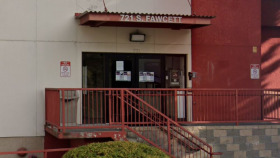
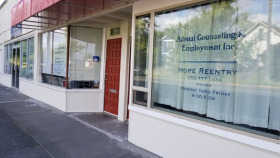
712 Fawcett Ave., Suite 201, Tacoma. Walk-in assessments Monday through Friday. MDC also operates the Tacoma Detoxification Center at 721 Fawcett Ave., Suite 100, with a 24/7 withdrawal management line at 253-593-2413. - Pierce County Alliance
https://piercecountyalliance.org/
510 Tacoma Ave. S., Tacoma. Walk-in assessment hours 8:00 a.m. to 4:30 p.m., offering both inpatient and outpatient services.
Harm Reduction
- Tacoma Needle Exchange (Tacoma-Pierce County Health Department)
https://tacomaneedleexchange.org/
Syringe services and naloxone access. Free naloxone locations can be found through the Washington Department of Health at StopOverdose.org.
Community and Peer Support
- Tacoma Recovery Café
https://www.tacomarecoverycenter.org/
1321 Martin Luther King Jr. Way, Tacoma. Membership-based peer recovery community; membership is free. Connects to broader 12-Step and peer support groups - Comprehensive Life Resources
https://www.comprehensiveliferesources.org/
Certified community behavioral health clinic in Tacoma providing integrated behavioral health and substance use services.
Government and Medicaid
- Washington Apple Health (Medicaid)
https://wahealthplanfinder.org/
Apply or check eligibility through Washington Healthplanfinder or call 1-855-923-4633. Apple Health Customer Service: 1-800-562-3022
Drug and Alcohol Use Statistics in Tacoma
Pierce County’s overdose crisis remains driven by synthetic opioids. In 2024, 423 people died from accidental overdoses in the county, and more than 70% of those deaths involved opioids. The figures below summarize the most significant local and county-level data on fentanyl overdose risk and related trends.
State health officials have reported that overdose deaths declined through much of 2024 before trending back toward previous levels at the end of the year, a pattern local agencies attribute in part to expanded naloxone distribution and treatment access.
For national context on these trends, see aggregated national substance use statistics.
Resources
- Pierce County Human Services. (2025). Pierce County launches extended detox program to support longer opioid withdrawal treatment. https://www.piercecountywa.gov/m/newsflash/home/detail/6883
- Tacoma-Pierce County Health Department. (2025). Tracking the Overdose Crisis in Pierce County. https://tpchd.org/news/opioid-crisis-response-shifts-from-task-force-to-coordinated-behavioral-health-work/
- KING 5. (2024). Pierce County leaders holding town halls on fentanyl crisis. https://www.king5.com/article/news/local/pierce-county-leaders-town-halls-fentanyl-crisis/281-361228d1-ba16-4182-b150-2e9b87dfb24e
- University of Washington Alcohol and Drug Abuse Institute. (2025). Washington State Opioid Trends: Deaths. https://adai.washington.edu/wadata/deaths.htm
- Metropolitan Development Council. (2024). Withdrawal Management. https://mdc-hope.org/withdrawal-management/
- Pierce County Alliance. (2026). Services and Contact Information. https://piercecountyalliance.org/
- Kids Mental Health Pierce County. (2026). Substance Use Disorder Resources. https://kidsmentalhealthpiercecounty.org/resources/substance-use-disorder/
- Washington State Health Care Authority. Apple Health (Medicaid) Behavioral Health Services. https://www.hca.wa.gov/
- Addictions.com. Alcohol and Drug Rehabs in Washington. https://www.addictions.com/rehabs/washington/