




Expert Insights
I recently heard about the new mobile addiction treatment unit in Saint Louis and I think it’s an innovative idea. I know how hard it can be for people to access addiction treatment, even if they have insurance, because there just aren’t enough resources in the area.
That’s critical, in my opinion, because 48% of opioid deaths occur in the St. Louis metro area. Taking addiction treatment on the road allows providers to help people directly in the community and I think it should help to reduce overdoses and even provide other services to support people struggling, like food stamps.
How We Rank Listings
Our directory brings together drug and alcohol rehab centers in Saint Louis using verified facility data drawn from public sources, licensing records, and information reported directly by the programs themselves. We do not sell placement, and paid advertising never changes where a facility appears or how it is described.
When we organize the listings on this page, we prioritize signals that matter to someone comparing local options for themselves or a loved one:
- Accreditation and licensing, including recognition by The Joint Commission or CARF and current state licensure through the Missouri Department of Mental Health.
- The levels of care a facility offers, from medical detox through outpatient and continuing care.
- The range of accepted payment types includes Medicaid, Medicare, private insurance, and self-pay or sliding-scale options.
- Specialty programming for specific populations, such as veterans, women, young adults, and people with co-occurring mental health conditions.
Every listing is meant to help you narrow the field and ask better questions when you call. It is not a substitute for speaking directly with a program about your situation.
Rehab in Saint Louis: What to Know
Saint Louis is unusual among Missouri cities in that the City of St. Louis is an independent city, separate from surrounding St. Louis County, and each has its own government and medical examiner’s office. That structure matters when you are looking for help because treatment programs, public health services, and data are often reported for the City and the County separately, even though residents move freely between them.
Across the metro, our directory tracks 51 rehab facilities in Saint Louis, spanning detox, residential, and outpatient care. You can also browse the full Missouri rehab directory to compare options in nearby communities.
The St. Louis region is the center of Missouri’s overdose crisis. State health data have repeatedly identified the St. Louis Metro area as having the highest total number of overdose deaths and mortality rate in Missouri, and fentanyl now drives nearly all opioid-related deaths in the area. Understanding what opioid use disorder looks like and how quickly fentanyl raises the risk is often the starting point for families searching for care here.
There is also real momentum behind the response. Public health agencies, universities, and community organizations across the City and County have expanded naloxone distribution, street outreach, and peer support in recent years, and drug-involved deaths in the greater St. Louis area fell sharply in 2024.
The behavioral health landscape includes large systems and specialized providers, from the VA St. Louis Health Care System serving veterans to programs built around Missouri’s Comprehensive Substance Treatment and Rehabilitation (CSTAR) model, which supports people who are uninsured or covered by Medicaid.
Whether you are comparing programs by addiction treatment options, insurance, or proximity, the sections below break down what care costs in Missouri, how people pay for it, the levels of care available in Saint Louis, and the free and low-cost resources you can reach today.
Cost of Rehab in Saint Louis
The cost of rehab in Saint Louis depends on the level of care, the length of the program, whether medications are involved, and the amenities a facility offers. There is no single price, and city-specific averages are not published for Saint Louis, but statewide Missouri figures give a useful reference point for what to expect.
Because Saint Louis is a major metro area with a higher cost of living than much of the state, local prices tend to sit at or above these Missouri averages.
These are averages, and your actual out-of-pocket cost can be far lower. Insurance, Medicaid, sliding-scale fees, and financing all change the picture significantly, and many Saint Louis programs are built specifically to serve people regardless of ability to pay. Several factors influence where a given program falls on the cost scale:






If you have coverage, the single most useful first step is verifying your coverage. Our guide to using insurance for rehab walks through how to verify benefits before you commit to a program.
How to Pay for Rehab in Saint Louis
Across the 51 rehab facilities in Saint Louis, most accept multiple forms of payment, which means the way you pay does not have to limit the care you can access. The counts below reflect how many local programs accept each payment type.






Knowing which programs match your coverage narrows the search quickly. The subsections below explain how the major payment pathways work for addiction treatment in Saint Louis.
Medicare
Twenty Saint Louis facilities accept Medicare. For adults 65 and older and for younger people who qualify through disability, Medicare typically covers medically necessary substance use treatment, including detox, inpatient or residential care, outpatient services, and counseling, though specific benefits and copays vary by plan. Our overview of how Medicare and other insurance cover addiction treatment can help you understand what to check before enrolling in a program.
Medicaid
Missouri’s Medicaid program is called MO HealthNet, and 28 Saint Louis facilities accept it. MO HealthNet covers a broad continuum of substance use services through its Comprehensive Substance Treatment and Rehabilitation (CSTAR) program, including outpatient treatment, counseling, and peer support.
Since a federal waiver was approved in late 2023, MO HealthNet also reimburses medically necessary residential treatment. Coverage extends to medication-assisted treatment, so people receiving methadone or buprenorphine for opioid use disorder can often access it at little to no cost. MO HealthNet is delivered through managed care plans, including Home State Health, Healthy Blue, and UnitedHealthcare Community Plan. The plan you choose affects which providers are in network.
Military Benefits
Thirteen Saint Louis programs accept TRICARE, and veterans have a dedicated option in the VA St. Louis Health Care System, which provides inpatient and outpatient substance use treatment at its John Cochran and Jefferson Barracks locations. Beyond VA care, our rehab resources for veterans and military outline the range of benefits and programs available to service members and their families.
Insurance and Private Pay
Forty Saint Louis facilities accept private health insurance, and 47 accept self-payment or cash. Under federal parity rules, most private plans must cover substance use treatment comparable to other medical care, but deductibles, copays, and prior authorization requirements differ widely. If you are paying privately, ask each program about its full price, what a typical length of stay costs, and whether financing is available.
Other Low-Cost Options
Cost does not have to be a barrier in Saint Louis. Seventeen programs offer sliding-scale fees that adjust to income, 26 offer some form of financial assistance, and 18 offer financing to spread payments over time. Asking directly about these options during your first call often opens doors that a facility’s advertised price would not suggest.
Free Treatment Programs
At least one Saint Louis facility offers free treatment, and Missouri channels significant federal block grant funding into programs like Primary Recovery Plus and CSTAR that serve people who are uninsured or on Medicaid. For those who need help covering costs, rehab scholarships and other funding options can bridge the gap when insurance and personal resources fall short.
Major insurance carriers commonly accepted in Missouri include:
- Aetna
- Anthem Blue Cross Blue Shield
- Cigna
- Healthy Blue
- Home State Health
- Humana
- UnitedHealthcare
- MO HealthNet
- Medicare
- TRICARE
Levels of Care Available in Saint Louis
Saint Louis offers a full continuum of care, from medically supervised detox through long-term outpatient support. Our directory tracks 20 detox facilities, 24 inpatient rehab programs, and 47 outpatient clinics in the area, with programs for co-occurring conditions and sober living.





Medical detox is often the first step for people with significant physical dependence, especially on alcohol or opioids. Withdrawal from these substances can be dangerous, and supervised medical detox manages symptoms safely while preparing you for ongoing treatment.
Inpatient and residential rehab provide 24-hour structured care in a live-in setting, which many people need in early recovery or when home is not a stable environment. Learn more about what residential treatment involves and who benefits most from it.
Partial hospitalization programs offer intensive daytime treatment while allowing you to return home in the evening. This partial hospitalization option can serve as a step down from inpatient care or a step up from standard outpatient services.
Outpatient rehab is the most widely available level of care in Saint Louis, with 47 clinics offering everything from intensive outpatient programs to weekly counseling. Outpatient rehab and intensive outpatient programs let people keep working or caring for family while in treatment.
Dual diagnosis programs treat substance use alongside mental health conditions such as co-occurring depression or anxiety, an approach that matters because untreated mental health symptoms are one of the most common drivers of relapse.
Sober living homes and continuing care support the transition back to daily life after a structured program. Building a plan for rehab aftercare is strongly associated with sustained recovery.
Specialty Programs in Saint Louis
Many Saint Louis facilities tailor their programming to the specific needs of the people they serve. Matching a program to your circumstances, whether that means gender-specific care, veteran services, or age-appropriate treatment, can make a meaningful difference in how supported you feel.






The area’s alcohol rehab programs address one of the most common reasons people seek treatment, helping with everything from safe withdrawal to long-term relapse prevention for alcohol use disorder.
The opioid rehab programs respond directly to the region’s crisis, combining medication and counseling to treat dependence on fentanyl and other opioids; our overview of fentanyl addiction and overdose risk explains why this drug is so dangerous.
Young adult programs address the distinct pressures facing people navigating early adulthood, including young adult and college student substance use. For LGBTQ+ residents, several programs offer LGBTQ+ affirming addiction care, and veterans can find dedicated support through programs offering rehab resources for veterans and military.
Free and Low-Cost Rehab Resources in Saint Louis
Saint Louis has a dense network of free and low-cost resources, many of them built specifically for people who are uninsured, on Medicaid, or not yet ready to enter formal treatment. The organizations below offer crisis support, naloxone, harm reduction, and connections to care, and most cost nothing to contact.
Crisis and Immediate Help
- 988 Suicide and Crisis Lifeline: Call or text 988, available 24/7 for anyone in emotional or substance-related crisis. See our overview of crisis support and suicide prevention resources for what to expect when you reach out. https://988lifeline.org/
- SAMHSA National Helpline: 1-800-662-HELP (4357), a free, confidential, 24/7 treatment referral line in English and Spanish. https://www.samhsa.gov/find-help/helplines/national-helpline
- Behavioral Health Response (BHR): 314-819-8811, a St. Louis-based crisis line offering behavioral health support and connections to local services. https://www.bhrstl.org/
Harm Reduction and Naloxone
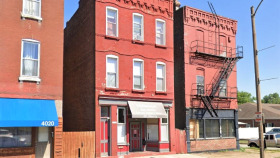
- Missouri Network for Opiate Reform and Recovery (MoNetwork): 4022 S. Broadway, St. Louis; 24-hour help line 844-732-3587. Offers a syringe services program, free naloxone, hepatitis C and HIV testing, family support, and its “Mo’ Mobile” street outreach. Naloxone is available in person Monday through Friday, 10 a.m. to 5 p.m., and on weekends, noon to 6 p.m. https://www.monetwork.org/
- Prevent+Ed (formerly NCADA): 9355 Olive Boulevard, St. Louis; 314-962-3456 or [email protected]. Distributes free naloxone and provides prevention education. https://prevented.org/
- NEXT Distro (MoNetwork affiliate): nextdistro.org/missouri. Mail-based naloxone and harm-reduction supplies for Missouri residents who cannot access in-person services. https://nextdistro.org/missouri
- St. Louis County Library branches: Free Narcan is available at all county library branches. https://www.slcl.org/
Veterans
- VA St. Louis Health Care System: Jefferson Barracks Division, 1 Jefferson Barracks Dr., St. Louis; 314-652-4100. Provides substance use treatment, mental health care, and the Veterans Crisis Line (988, then press 1). https://www.va.gov/st-louis-health-care/
Government and Medicaid
- Missouri Department of Social Services, Family Support Division: 855-373-4636. Handles MO HealthNet (Medicaid) eligibility and enrollment. https://dss.mo.gov/fsd/intro.htm
- NoMoDeaths / Missouri State Opioid Response: nomodeaths.org. Statewide access point for prevention, treatment, recovery support, and harm reduction for people with opioid or stimulant use disorder. https://nomodeaths.org/
Peer and Mutual Support Groups
- Alcoholics Anonymous, St. Louis: 314-647-3677, aastl.org.
- Narcotics Anonymous, St. Louis Area: 314-830-3232, stlna.org.
- Cocaine Anonymous, Missouri: 833-662-6322, camissouri.org.
Drug and Alcohol Use Statistics in Saint Louis
The St. Louis region remains the epicenter of Missouri’s overdose crisis, accounting for the largest share of the state’s drug-involved deaths. At the same time, 2024 brought the sharpest declines the area has seen in years, a shift that public health officials link to expanded naloxone distribution and outreach across the City and County. The figures below capture both the scale of the problem and the recent progress.
Opioid-involved deaths in the greater St. Louis area fell by more than 40% from 2023 to 2024, and young people aged 18 to 24 saw a roughly 40% decline in drug-involved deaths, with an even steeper drop in the City. Declines reached every reported demographic group, including a 46% decrease among Black males, who had long carried the heaviest burden of overdose in the region.
Statewide, Missouri recorded 2,178 drug overdose deaths in 2022, and for years, the St. Louis Metro region has accounted for close to half of all overdose deaths in the state. Fentanyl remains the central threat; across the region, it is now present in nearly every opioid-related death. Anyone at risk of opioid overdose, or close to someone who is, can reduce that risk by carrying naloxone and learning to respond, and the local resources above provide it for free. To see how these figures compare with the broader picture, our page on national substance use statistics offers additional context.
Resources
- Addictions.com. (2024). Alcohol & Drug Rehabs in Missouri. https://www.addictions.com/rehabs/missouri/
- University of Missouri, St. Louis Institute of Mental Health, Addiction Science Team. (2024). St. Louis City and County Drug-Involved Death Report, January-June 2024. https://mimhaddisci.org/st-louis-area
- University of Missouri, St. Louis Institute of Mental Health, Addiction Science Team. (2025). St. Louis Area Drug-Involved Death Report, January-December 2024. https://mimhaddisci.org/st-louis-area
- University of Missouri, St. Louis Institute of Mental Health, Addiction Science Team. (2022). Missouri Drug Overdose Deaths Report. https://mimhaddisci.org/missouri-statewide-reports
- Missouri Department of Social Services, MO HealthNet Division. (2023). Missouri Substance Use Disorder and Serious Mental Illness 1115(a) Demonstration Waiver. https://mydss.mo.gov/mhd/waiver/sud-smi-1115
- U.S. Drug Enforcement Administration, St. Louis Division. (2025). Operation Engage: St. Louis. https://www.dea.gov/operation-engage/operation-engage-divisions/st-louis
- Substance Abuse and Mental Health Services Administration. (2025). Help for Mental Health, Drugs, Alcohol: MO Medicaid, CHIP. https://www.samhsa.gov/find-support/health-care-or-support/professional-or-program/medicaid-or-chip/missouri