






Expert Insights
I read in the news that the Sterling Heights Police Department is approaching the opioid crisis in an innovative way.
Instead of prosecuting low-level drug possession, the PD has teamed up with Families Against Narcotics and created a program called “Redirect,” which sends people into treatment instead of jail. I think this is a great solution. Jail does nothing to encourage people with substance use disorders to find recovery, it just makes their lives considerably harder, and they face more challenges when they return home.
At least by sending folks to treatment, they have a fighting chance at a life in recovery and they’ll get connected with essential services to improve the quality of their lives. I don’t believe that anyone chooses addiction, I think that terrible circumstances lead to addiction as a coping mechanism. And those people deserve compassionate care rather than punishment.
~ Olivia Pennelle
Paying for Alcohol and Drug Rehab in Sterling Heights
 If you need help paying for drug and alcohol rehab in Sterling Heights, Michigan, there are numerous agencies throughout the state and country dedicated to helping people just like you. These include:
- State-funded rehabs that offer subsidized healthcare services, including assessment, treatment, and referrals to specialist providers. In Macomb County, where Sterling Heights is located, there are 22 mental health facilities — the majority of which provide dual diagnosis care as well as provide state and government-funded low-cost or free care for qualified patients. Smaller, more addiction-focused state-funded rehabs such as methadone clinics and alcoholism treatment centers are available throughout the city.
- Grant-funded rehabs provide screening for low-income and needs-based programs that offer scholarships for all or part of the cost of care. According to the Substance Abuse and Mental Health Services Administration (SAMHSA), there are 11 rehabs in Sterling Heights and 67 within 25 miles of the city — 23 of which that work with SAMHSA to provide block-grant-funded programs. Reach out to your local health and human services agency, or ask your healthcare provider, for screening and a referral to a local low-cost rehab if you think you might qualify.
- Scholarships are sometimes offered through non-profit agencies as well as private rehabs, which are designed to pay for addiction treatment for those who are in extreme need. This means they have a severe addiction and are unable to access care due to a lack of funding and health insurance. You can ask a facility you’re interested in if they have a rehab scholarship fund, or check their website to see if they have other financial assistance options.
Some free options that may have room in their low-income programs in Macomb County include:
- Salvation Army Harbor Light
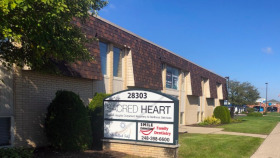
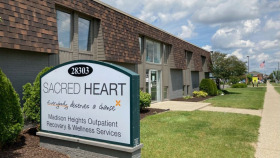
- Sacred Heart Rehabilitation Center
- Macomb Family Services
- Henry Ford Behavioral Health Seville
Resources
- Center for Disease Control. (2022). CDC Wonder Tool.
- Macomb County Health Department. (2019). Macomb County Opioid Community Health Assessment.
- Michigan Department of Health and Human Services. (August 31, 2020). Michigan recognizes Overdose Awareness Day and launches a new partnership with EMS to provide more overdose antidote kits Naloxone leave-behind program aims to reduce overdose deaths.
- Substance Abuse and Mental Health Services Administration. (June 2021). Treatment Episode Data Set (TEDS) 2019, Admissions to and Discharges From Publicly Funded Substance Use Treatment.
- Substance Abuse and Mental Health Services Administration. (2022). Treatment Locator Map.