


Ashwood Recovery
Boise, ID
83704

If you are looking for drug and alcohol rehab in Idaho, you have 200+ treatment programs across the state to consider. Idaho’s Division of Behavioral Health runs the Substance Use Disorder Services Program, which provides treatment and recovery support services through providers statewide, so you have a place to start.
 800-785-0495
 Sponsored
 Close
Close| Thumbnail | Name | Address | Phone | Treatment | Insurance |
|---|---|---|---|---|---|
|
Terry Reilly Health Services |
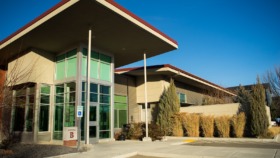
400 North Allumbaugh Street, Boise, ID 83704 Terry Reilly Allumbaugh House in Boise, Idaho, is a short-term six-day residential treatment center. Patients must be 18 years or older and must reside in Ada, Boise, Elmore, or Valley counties. Medicaid coverage and uninsured... |
(208) 377-9669 | Detox Inpatient | Medicaid Private |
|
Ashwood Recovery |
7941 West Rifleman Street, Boise, ID 83704
|
888-341-3607 | Outpatient | Private |
|
Raise the Bottom Addiction Treatment Boise |
9196 West Barnes Drive Boise, ID 83709 Raise the Bottom is an outpatient rehab in Boise, Idaho and they also run clinics in Nampa and Pocatello. The Boise clinic admits adults, including veterans and they has a program for pregnant and postpartum... |
208-433-0400 | Detox Outpatient | Medicaid Private |
|
Brick House Recovery Boise |
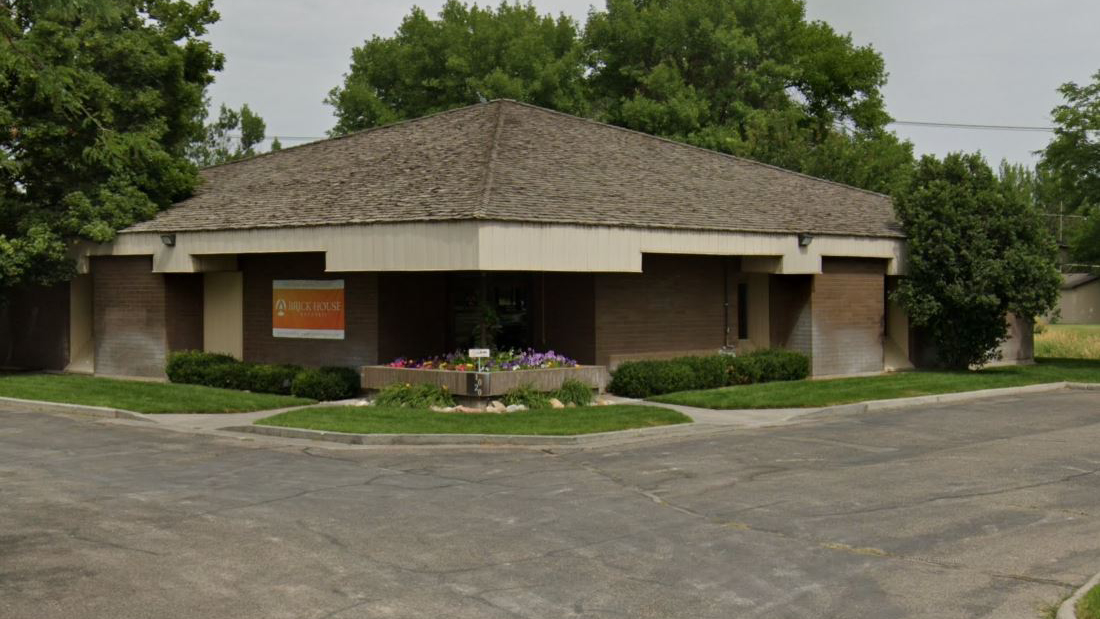
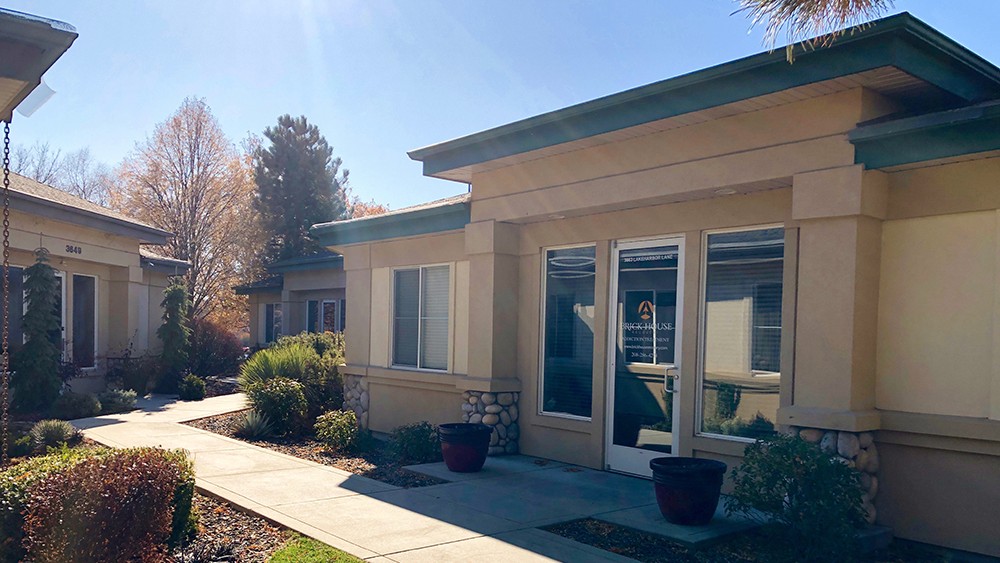
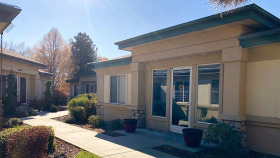
3663 North Lakeharbor Lane Boise, ID 83703 Brick House Recovery is a faith-based addiction and mental health recovery organization with several Idaho locations, including the facility in Boise. The organization accepts private health insurance, Medicaid, and other state financed insurance plans. This... |
208-650-7359 | Detox Outpatient | Medicaid Private |
|
Behavioral Health Group Boise Treatment Center |
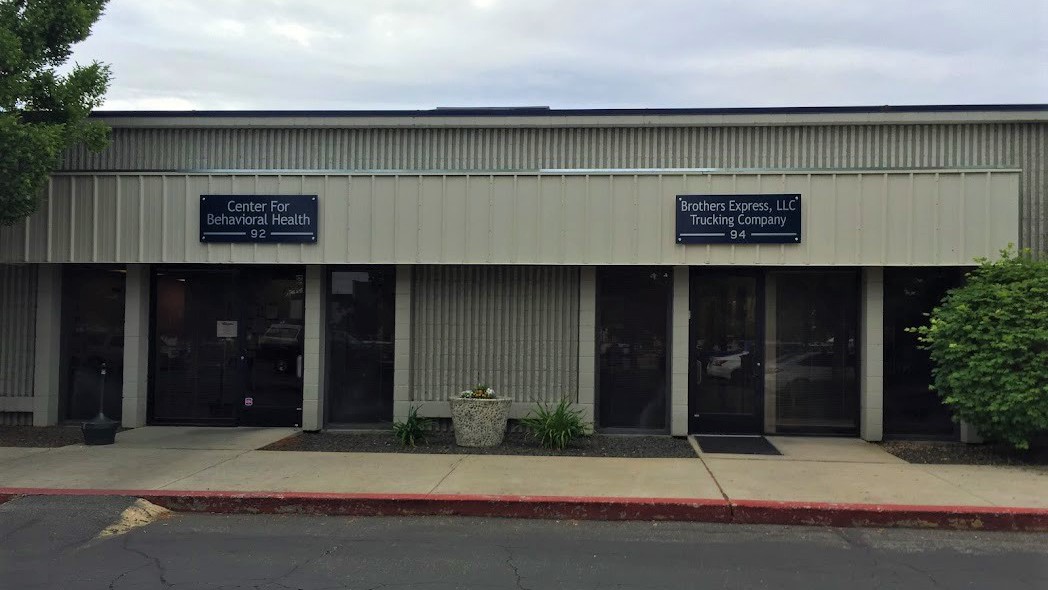
92 South Cole Road Boise, ID 83709 Behavioral Health Group Boise Treatment Center is an outpatient facility that prioritizes addiction treatment for people struggling with opioid addiction. It is part of the larger Behavioral Health Group (BHG) which provides services across the... |
208-376-5021 | Detox Outpatient | N/A |
|
Trivium Life Services Recovery 4 Life |
8950 Emerald Street Suite 178 Boise, ID 83704 |
208-376-7083 | Outpatient | Medicaid Private |
|
Intermountain Hospital |
303 North Allumbaugh Street Boise, ID 83704 |
800-321-5984 | Inpatient Outpatient | Medicaid Private |
|
Community Outreach Counseling |
2399 South Orchard Street Boise, ID 83705 |
Outpatient | Medicaid Private | |
|
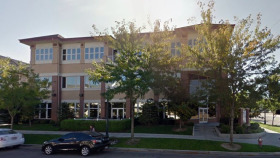
Access Behavioral Health Services Boise |
1276 West River Street Suite 100 Boise, ID 83702 |
Detox Outpatient | Medicaid Private | |
|
|
Full Circle Health - Raymond Clinic |
777 N Raymond St Boise, ID 83704 |
208-514-2500 | Detox Inpatient Outpatient | Private |
|
|
Saint Alphonsus Addiction Recovery Center |
6138 Emerald Street Suite B Boise, ID 83704 |
208-367-3553 | Outpatient | N/A |
|
|
Ascent Behavioral Health Services Boise |
411 North Allumbaugh Street Boise, ID 83704 |
208-376-3200 | Outpatient | Medicaid Private |
|
|
Center for Change |
1411 W. Franklin St. Boise, ID 83702 |
888-224-8250 | Inpatient Outpatient | Private |
|
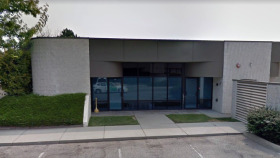
About Balance Mental Health |
8100 Emerald Street Suite 180 Boise, ID 83704 |
Outpatient | Medicaid Private | |
|
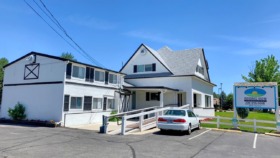
Rising Sun Sober Living |
8050 West Ustick Road, Boise, ID 83704 |
Inpatient Outpatient | Private |
View more listings near Boise or search by the letter of cities in Idaho.
Our directory brings together licensed and accredited drug and alcohol treatment providers in Boise so you can compare them in one place. Listings draw on public data from SAMHSA, state licensing records, and accrediting bodies such as the Joint Commission and CARF, along with details reported by the facilities themselves.
We prioritize programs that hold current accreditation, verifiable state licensure, and transparent information about levels of care, payment options, and specialty services. A listing on this page is not an endorsement, and placement does not reflect payment from any facility. We encourage you to verify the following details directly with any provider before making a decision:
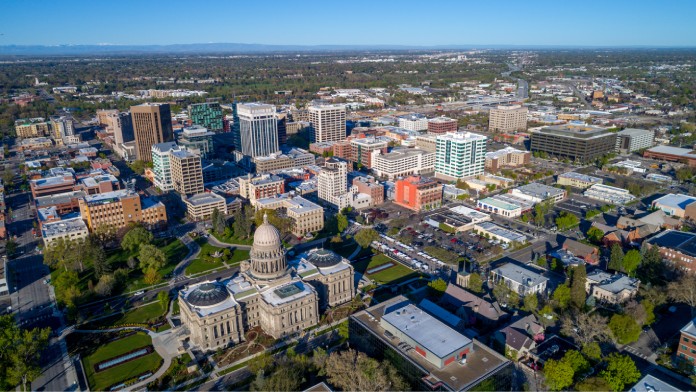
Boise, the seat of Ada County and the largest city in Idaho, anchors the Treasure Valley region and its behavioral health network. Our directory currently lists 32 drug and alcohol treatment facilities serving the Boise area, spanning medical detox, residential care, and outpatient services. For a broader view of options across the state, you can also browse the full Idaho rehab directory.
Ada County has the most comprehensive range of outpatient services, mental health programs, sober living, and recovery support of any county served by Central District Health, the public health district covering Ada, Boise, Elmore, and Valley counties. A regional cornerstone is Allumbaugh House, operated by Terry Reilly Health Services, which provides short-term, medically monitored detox and mental health crisis care to residents of those four counties. Access to state-funded and Medicaid treatment across the region is coordinated through Magellan of Idaho, which manages the substance use disorder network for the Idaho Department of Health and Welfare.
Fentanyl and methamphetamine remain the primary drug threats in the Treasure Valley. Ada County sits within the Boise area covered by Central District Health’s District 4, which recorded 60 of the 188 fentanyl-related deaths reported statewide in 2022, the largest share of any health district in Idaho. That local reality has shaped how Boise providers approach care, with growing emphasis on opioid use disorder treatment and medication-assisted options.
Idaho reshaped its harm reduction approach in 2024 when the Legislature repealed the state’s syringe exchange law, leading to the closure of the Idaho Harm Reduction Project. As a result, Boise’s harm reduction efforts now center on naloxone distribution, overdose education, and safe medication disposal rather than syringe services. Understanding the range of addiction treatment options available locally can help you or a loved one identify the right level of support.
Idaho is consistently among the most affordable states in the country for drug and alcohol rehab, and Boise reflects that statewide picture. Because published cost data is reported at the state level, the figures below represent Idaho averages rather than Boise-specific pricing. Actual costs depend on your level of care, length of stay, the facility you choose, and your insurance coverage.
If cost is a barrier, Boise has sliding-scale and financial assistance options, and verifying your benefits is often the fastest way to understand your out-of-pocket responsibility. You can learn more about using insurance for rehab before you commit to a program.




Across the 32 Boise-area facilities in our directory, most accept a mix of self-payment, private insurance, and public coverage, and many offer options to help people who are without insurance access care. The snapshot below shows how commonly each payment type is accepted among local programs.





Understanding which of these options applies to your situation can make treatment far more accessible. The subsections below explain the most common ways Boise residents pay for care.
Medicare covers medically necessary addiction treatment for eligible adults, including inpatient care, outpatient services, and mental health support for co-occurring conditions. Twelve Boise-area facilities in our directory accept Medicare. Coverage details, including copays and covered levels of care, depend on your specific plan, so it helps to review how Medicare covers addiction treatment before enrolling in a program.
Idaho Medicaid covers substance use disorder treatment, and the state’s behavioral health network is managed by Magellan of Idaho on behalf of the Department of Health and Welfare. Twenty-four Boise-area facilities accept Idaho Medicaid, and coverage generally includes assessment, outpatient counseling, and medication used in medication-assisted treatment for opioid and alcohol use disorders. Idaho Medicaid also covers naloxone with no copay at participating pharmacies.
TRICARE covers inpatient and outpatient addiction treatment, detoxification, and medication-assisted treatment for active-duty service members, veterans, and their families, and 13 Boise-area facilities accept it. The Boise VA Medical Center also provides comprehensive substance use disorder care for eligible veterans in the Treasure Valley. Additional rehab resources for veterans can help service members and families navigate their options.
Private health insurance is accepted at 24 Boise-area facilities, and self-payment is the most widely accepted option, at 31 programs. Under federal law, most private plans must cover mental health and substance use disorder services as essential health benefits, though your out-of-pocket cost depends on your deductible, network, and plan design. Verifying your benefits before admission is the clearest way to understand what you will owe.
For those who are uninsured or underinsured, 11 Boise-area programs offer sliding-scale fees, 13 offer financial assistance, and six offer financing. Terry Reilly Health Services, which operates Allumbaugh House, provides care on a sliding fee scale based on income, making treatment accessible regardless of ability to pay. If you are exploring ways to reduce costs, learning about rehab scholarships is another avenue worth considering.
Major insurance carriers active in the Boise market include:
Boise-area facilities offer a full continuum of care, including seven medical detox facilities, eight inpatient rehab programs, and 27 standard outpatient clinics, along with partial hospitalization and dual diagnosis options. The information below shows how many local programs offer each level of care.



Medical detox is often the first step for people with physical dependence on alcohol or opioids, providing 24-hour monitoring to manage withdrawal safely. Boise’s Allumbaugh House is a key regional provider of short-term, medically monitored supervised detox.
Inpatient and residential rehab offers structured, live-in care with housing, meals, therapy, and round-the-clock support, which suits people who benefit from a fully immersive environment away from daily triggers. Learn more about residential treatment and what to expect.
Partial hospitalization programs provide near-daily clinical support during the day while allowing you to return home in the evenings, bridging the gap between residential and outpatient care. See how PHP treatment fits into the continuum of care.
Standard outpatient care is the most widely available level in Boise and lets you continue working or caring for family while attending therapy on a set schedule. Explore the range of outpatient rehab formats available.
Dual diagnosis programs treat a substance use disorder alongside co-occurring conditions such as co-occurring depression or anxiety, which is essential because untreated mental health symptoms can undermine recovery.
Sober living homes and continuing care support the transition back to daily life after formal treatment, offering structure and peer accountability. A strong rehab aftercare plan is one of the strongest predictors of sustained recovery.
Many Boise-area facilities tailor treatment to specific populations and needs. This can improve engagement and outcomes because care is tailored to a person’s lived experience. The programs below meet the local availability shown in our directory.






Boise’s strongest specialty coverage is for younger clients, with 29 programs serving young adults and college-age individuals, a group that fentanyl has hit especially hard in Idaho. Providers also offer gender-specific tracks, with 21 men’s programs and 20 women’s programs.
Alcohol remains one of the most common reasons people seek help locally, and 21 facilities focus on alcohol use disorder, while 18 address opioid use disorder. Six programs offer LGBTQ+ affirming addiction care, and four provide services designed for veterans and military families, complementing the care available through the Boise VA Medical Center.
Cost should never be the reason someone goes without help. Boise and the surrounding Treasure Valley have a network of free and low-cost resources, from crisis lines to community clinics and harm reduction supplies. The options below are verified public and nonprofit services.
Idaho reached a record 386 drug overdose deaths in 2023, the highest annual total since the state began tracking data in 1999, and fentanyl has become the dominant driver of that increase. The figures below place Boise and Ada County in the context of these statewide and regional trends.
The concentration of fentanyl deaths in the Boise area underscores why local providers have expanded access to medication-assisted treatment and naloxone. For a national comparison of these trends, see the latest national substance use statistics. Idaho’s fentanyl overdose death rate did decline 36 percent from 2023 to 2024, an early sign that expanded prevention and treatment efforts may be having an effect.