



Expert Insights
I recently read about the tragic story of a Lakewood woman who lost her life due to a fentanyl-related overdose.
This sadly isn’t an isolated incident. According to National data, the rate of drug-related deaths continues to increase and Colorado ranks number 1 for the consumption of opioids. The trouble is, even though the state wants to pass a new law that diverts anyone with fentanyl-related charges into treatment, there aren’t enough treatment beds to cope.
And so, while I’m in support of diversion programs, we also need to be publicly funding treatment programs to cope with the increased need for what could be an extra 300 treatment beds per year!
How We Rank Listings
Every facility on this page is included because it meets our standards for legitimate, licensed addiction treatment, not because it paid for placement. We prioritize centers that hold state licensure and recognized third-party accreditation, that are transparent about the levels of care and payment options they offer, and that maintain a verifiable physical presence in or near Lakewood.
Listings are organized to help you compare what matters most when choosing care, including the type of treatment offered, insurance and payment accepted and specialty programs for specific populations. We update facility information regularly using public licensing records and verified provider data. When you contact a center through this directory, you are reaching the facility directly.
Rehab in Lakewood: What to Know
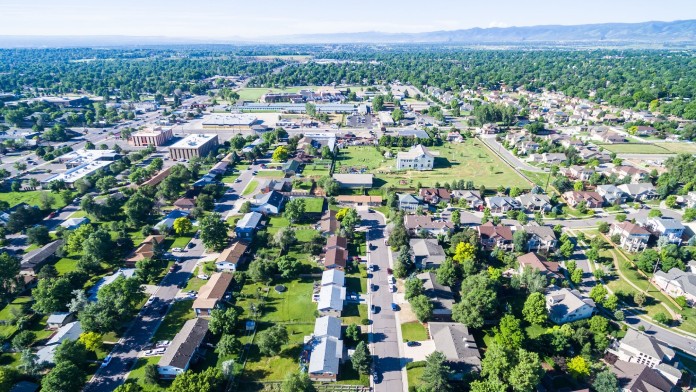
Lakewood is the largest city in Jefferson County and one of the most populous municipalities in the Denver metro area, which shapes the treatment options available to residents.
This directory currently lists 25 addiction treatment facilities in and around Lakewood, spanning medical detox, residential care and outpatient services. Many of these programs are part of the broader Denver-metro network.
So, people in Lakewood often have access to both neighborhood clinics and larger regional providers within a short drive. You can compare all statewide options through the Colorado rehab directory, or explore the full range of addiction treatment options before narrowing your search locally.
Behavioral health care in Lakewood is anchored by Jefferson Center, the community mental health provider serving Jefferson, Gilpin and Clear Creek counties. Jefferson Center operates multiple Lakewood locations along West Colfax Avenue and West Alameda Avenue.
It provides substance use counseling, medication-assisted treatment, psychiatric care and a 24/7 walk-in Crisis and Recovery Center. Its presence means residents can often connect to assessment and crisis support without leaving the county, which is a practical advantage when starting treatment feels overwhelming.
Jefferson County Public Health, headquartered in Lakewood, runs harm-reduction and prevention services that complement the treatment landscape.
The county has been a focal point for opioid response in recent years. It recorded a record 493 drug-related deaths in 2023 before fatalities fell by roughly a third in 2024 and continued to decline through 2025, according to the Jefferson County Coroner’s Office.
Much of that overdose burden has been driven by fentanyl in the illicit drug supply, which makes access to opioid use disorder treatment and naloxone especially important locally.
For most people, the path into care starts with an assessment, followed by placement into the appropriate level of treatment. Whether you are looking for yourself or a family member, knowing what is available nearby and how to pay for it can make the first call easier.




Cost of Rehab in Lakewood
The cost of addiction treatment in Lakewood depends far more on the level of care and length of stay than on the city itself. Colorado sits in the mid-range nationally for treatment costs, ranking around 11th most affordable for residential care according to national cost data.
The figures below reflect statewide Colorado averages and are useful as a starting point, because actual costs at individual Lakewood facilities vary based on program length, amenities and the services included. Reliable Lakewood-specific pricing is not published, so treat the following as general reference points rather than quotes, and verify pricing directly with any facility you contact.
Cost should not be the reason someone delays getting help. Most facilities in the area accept insurance, and many offer sliding-scale fees or payment plans. If you have coverage, the first step is usually verifying your rehab benefits to understand what your plan will cover for detox, residential or outpatient care. Keep in mind that several factors influence what you will ultimately pay:




How to Pay for Rehab in Lakewood
Across the 25 facilities listed in Lakewood, there are several ways to pay for treatment. All 25 accept self-payment,15 work with private health insurance and others accept public coverage or offer reduced-cost options.
The cards below summarize the payment methods available locally, followed by details on how each one works for addiction treatment.




Understanding which of these applies to your situation can help to narrow your search. Below is a closer look at the most common options for Lakewood residents.
Medicare
Medicare covers medically necessary addiction treatment for eligible adults 65 and older and for some younger people with disabilities. Coverage includes inpatient care, outpatient services and prescription medications used in treatment. It helps to confirm what your specific plan covers before committing to a program.
Only one facility in this directory currently lists Medicare, so if you rely on Medicare, call ahead to confirm current acceptance and network status.
Medicaid (Health First Colorado)
Colorado’s Medicaid program is called Health First Colorado, and six facilities in this directory accept it. Behavioral health services, including substance use disorder treatment, are covered with no copay for members.
Since January 2021, Health First Colorado has covered the full continuum of care, from withdrawal management and residential treatment to outpatient counseling and medication-assisted treatment.
Members belong to a regional organization that helps coordinate care, and no referral is required to access behavioral health services.
Military Benefits
One facility in this directory accepts TRICARE, the health program for active-duty service members, retirees and their families. Veterans in the Lakewood area can also access substance use treatment through the VA Eastern Colorado Health Care System, anchored by the Rocky Mountain Regional VA Medical Center in nearby Aurora.
Additional rehab resources for veterans and military families can help you understand eligibility and enrollment.
Insurance and Private Pay
Private insurance is the most common way to pay for treatment after self-pay and is accepted at 15 Lakewood facilities. Under federal parity rules, most plans must cover substance use treatment comparably to other medical care, though specifics like deductibles and network requirements vary.
If you are paying out of pocket, all 25 facilities accept self-payment, and three offer financing to spread the cost over time. Several insurance providers are active in Colorado, including:
- Aetna
- Anthem Blue Cross Blue Shield
- Cigna
- Health First Colorado
- Kaiser Permanente
- Rocky Mountain Health Plans
- TRICARE
- UnitedHealthcare
Other Low-Cost Options
Nine facilities in the area offer sliding-scale fees that adjust based on income, which can make treatment accessible for people who are uninsured or underinsured.
If cost is a barrier, it is worth asking each facility directly about sliding-scale eligibility, payment plans and whether any rehab scholarships or grant-funded slots are available.
Levels of Care Available in Lakewood
Lakewood facilities offer a full range of treatment intensity, from medical detox through long-term outpatient support. This directory lists 12 detox programs, 10 inpatient programs and 22 outpatient clinics, along with programs for co-occurring conditions and sober living.
The cards below show what is available locally, and the descriptions explain how each level of care works.






Medical detox is often the first step for people with physical dependence on alcohol, opioids or benzodiazepines. Supervised medical detox manages withdrawal safely with clinical monitoring and, when appropriate, medication. With 12 detox programs listed locally, most Lakewood residents can find a supervised option without traveling far.
Inpatient and residential care provides 24-hour structured treatment in a live-in setting, which suits people who need to step away from daily triggers to focus on recovery. The 10 inpatient rehab programs in this directory range in length, typically from 30 to 90 days depending on clinical need.
Partial hospitalization and outpatient care let people receive treatment while living at home. Lakewood lists 2 partial hospitalization programs and 22 outpatient and intensive outpatient programs, making outpatient the most widely available level of care in the area. These programs work well for people with stable housing and support at home, or as a step down after residential treatment.
Dual diagnosis programs treat addiction alongside co-occurring mental health conditions such as depression or anxiety, which frequently occur together. With 14 programs offering integrated care, this is a well-represented specialty locally, reflecting the recognition that treating both conditions together produces better outcomes.
Sober living homes offer structured, substance-free housing for people transitioning out of treatment. The 4 sober living options in this directory can be an important part of continuing care, providing stability and peer accountability during the vulnerable months after a program ends.
Specialty Programs in Lakewood
Beyond level of care, many Lakewood facilities tailor their programs to specific populations and needs. Specialty tracks recognize that recovery is not one-size-fits-all, as a young adult, a veteran and an older adult may each benefit from an approach designed around their circumstances. The programs below are well represented across the 25 facilities in this directory.






Alcohol treatment is the most common specialty locally, with 23 programs, which tracks with Colorado’s elevated rates of binge drinking compared to the national average. Twelve programs focus on opioid treatment, reflecting the county’s ongoing response to fentanyl in the drug supply.
Seven facilities offer LGBTQ+ affirming addiction care, and three provide programs designed specifically for veterans and active-duty service members. Programs for young adults and older adults are also widely available, allowing people to receive care alongside peers at a similar stage of life.
Free and Low-Cost Rehab Resources in Lakewood
Cost and insurance status should never be the reason someone in Lakewood goes without help. Jefferson County and the surrounding Denver metro area offer a range of free and low-cost resources, from 24/7 crisis support to harm reduction and community behavioral health.
If you or someone you know is in immediate danger, call 911. The resources below can connect you to crisis support and ongoing care regardless of ability to pay.
Crisis and Support Lines
- 988 Colorado Mental Health Line
https://988lifeline.org/
Free, confidential support 24/7 for anyone experiencing a mental health, substance use or emotional crisis. As of July 2025, this line replaced the former Colorado Crisis Services number. Veterans can press 1 after dialing 988. - SAMHSA National Helpline
https://www.samhsa.gov/find-help/helplines/national-helpline
Free, confidential, 24/7 treatment referral and information service in English and Spanish. - Colorado 211
https://www.unitedway-weld.org/programs/211-colorado-uwwc
Connects residents to local health, human and substance use services, including treatment and financial assistance referrals.
Jefferson County Public Health and Harm Reduction
- Points West Syringe Services Program
https://www.pointswestjeffco.com/
Operated by Jefferson County Public Health, Points West offers free naloxone (Narcan), overdose prevention training, sterile supplies, HIV and hepatitis C testing and referrals to treatment in a confidential, stigma-free setting. Walk-in and street outreach hours vary; contact [email protected]. - Jefferson County Substance Use Services
https://www.jeffco.us/2100/Clinic-Services
Countywide prevention, harm reduction and recovery resources through Jefferson County Public Health.
Community Behavioral Health
- Jefferson Center Walk-In Crisis and Recovery Center
https://www.jcmh.org/
24/7 in-person crisis support, assessment and referrals for mental health and substance use. One of the Denver-metro walk-in crisis centers. - Jefferson Center outpatient services
https://www.jcmh.org/services/substance-use-services/
Sliding-scale substance use counseling, medication-assisted treatment and psychiatric care at Lakewood locations, including West Colfax Avenue and West Alameda Avenue. Medicaid, commercial insurance and self-pay accepted.
Veterans and Military
- VA Eastern Colorado Health Care System
https://www.va.gov/eastern-colorado-health-care/
Substance use and mental health treatment for enrolled veterans through the Rocky Mountain Regional VA Medical Center.
Drug and Alcohol Use Statistics in Lakewood
Lakewood’s treatment needs are best understood through Jefferson County and statewide Colorado data. The county reached a record high in overdose deaths in 2023 before seeing a significant decline over the following two years, an improvement local officials attribute in part to expanded naloxone distribution and treatment access.
Fentanyl remains the central concern in the drug supply, while alcohol continues to cause more deaths overall statewide because far more people use it.
Alcohol remains a persistent driver of harm across the state. Colorado’s alcohol-related death rate ranks among the highest in the nation, and alcohol-related deaths rose more than 60% between 2018 and 2021 before easing slightly.
Roughly 20% of Colorado adults report binge drinking in a given month, above the national figure, which helps explain why alcohol use disorder treatment is the most common specialty in the Lakewood area.
These figures reflect why access to both treatment and prevention resources matters locally. The recent decline in overdose deaths shows that expanded access to naloxone, harm reduction and treatment can change the trajectory, and the resources listed above are part of that response in Lakewood and across Jefferson County.
Resources
- Jefferson County Coroner’s Office. (2026). Jefferson County sees dramatic decline in overdose deaths after record high in 2023. https://www.wbrc.com/2026/01/09/jefferson-county-sees-dramatic-decline-overdose-deaths-after-record-high-2023/
- Jefferson County Public Health. (2025). Substance Use Services and Points West Syringe Services Program. https://www.jeffco.us/3621/Substance-Use-Services
- Jefferson Center. (2026). Emergency and Crisis Services. https://www.jcmh.org/emergency-crisis-services/
- Colorado Department of Health Care Policy and Financing. (2021). Ensuring Full Continuum SUD Benefits, Health First Colorado. https://hcpf.colorado.gov/ensuring-full-continuum-sud-benefits
- Colorado Behavioral Health Administration. (2025). 988 in Colorado. https://bha.colorado.gov/988
- U.S. Department of Veterans Affairs. (2026). VA Eastern Colorado Health Care System, Rocky Mountain Regional VA Medical Center. https://www.va.gov/eastern-colorado-health-care/
- National Center for Drug Abuse Statistics. (2024). Colorado addiction treatment cost data. https://drugabusestatistics.org/cost-of-rehab/
- America’s Health Rankings, United Health Foundation. (2024). Excessive Drinking in Colorado (CDC BRFSS). https://www.americashealthrankings.org/explore/measures/ExcessDrink/CO