






Expert Insights
In 2017, the Round Rock-Austin area was named the drunkest city in Texas. With an excessive drinking rate of 22.3%, the area was the heaviest drinking metro region in the state, and among the heaviest drinking in the nation.
So, what did we do next? In 2018, the Round Rock City Council extended alcohol service hours for bars and restaurants, allowing them to serve alcohol more hours per week. Did the residents of one of the drunkest towns in the country really need more access to alcohol? What we might need instead is more access to substance use treatment.
There are only a dozen or so rehab facilities in Round Rock that offer treatment for alcohol use disorder, and only around five that offer detox. Let’s make some changes so Round Rock is known for something more positive than drunkenness.
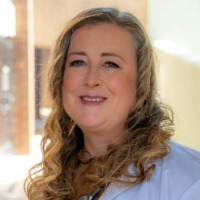
~ Kerry Nenn
How to Pay for Alcohol and Drug Rehab in Concord
You have several options for paying for alcohol or drug rehab in Concord. Whether you need inpatient or outpatient treatment, you can find a quality recovery program that meets your needs, regardless of your financial situation.
If you know you’ll struggle to pay for rehab, you may be eligible for discounted or free treatment at:

State-funded facilities: These state-licensed facilities, which may include methadone clinics, get funding from the government to provide recovery therapies for California residents who cannot afford to pay for care.

Non-profit treatment facilities: These facilities get funding from various public sources, such as grants and donations. Many offer to work with patients, regardless of their ability to pay.

Sliding Scale Program: These recovery facilities base each patient’s cost of treatment on their income. The lower a person’s income, the less they ultimately pay for their treatment program. In some cases, treatment may even be free.
Once you have a list of local facilities, call each one to ask whether any form of financial assistance is available. You may also want to contact one or more of the following treatment centers in and near Concord that offer various forms of payment assistance:
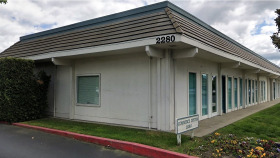
- Ujima Family Recovery Services
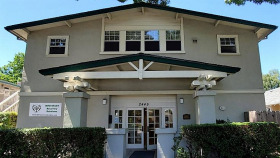
- Discovery House
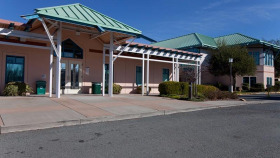
- The REACH Project, Inc.
Financing Addiction Treatment With Medicaid or Medicare
If you’re a Medi-Cal, Medicare, or Contra Costa Health Plan (CCHP) beneficiary, your health insurance covers several medically necessary short-term and long-term addiction treatment services. That means you can use your plan to help pay for treatment at Concord drug rehabs that accept your insurance. Currently, nine treatment facilities within 10 miles of Concord take Medi-Cal (California Medicaid), and seven take Medicare.
If you don’t have insurance and are interested in qualifying for one of these public plans, here’s what you should know:
- Medi-Cal: To be eligible, you must be a U.S. citizen and a California resident. You must also have an annual income at or below 138% of the federal poverty level for your household size.
- Medicare: To be eligible, you must be 65 years of age or older and can sign up three months before your 65th birthday. You may also be eligible if you’re a younger person with a qualifying disability.
Using Private Insurance to Pay for Rehab
If you have private health insurance, you may have partial or full coverage for addiction treatment services at one or more Concord drug and alcohol rehab centers. Currently, nine facilities within 10 miles of the city accept private insurance from various providers, including Aetna, Anthem Blue Cross, Beacon Health, Kaiser, and several others.
Keep in mind that even if you have a health plan, you may still be responsible for paying a deductible or copay out of pocket. Your plan may also have limitations on the types of therapies it covers or the length of the program it will pay for. If you’re unsure what your benefits and out-of-pocket expenses look like, call the number on the back of your insurance card to get a breakdown of your coverage. You can also ask for a list of drug and alcohol rehabs in Concord that accept your plan.
Resources
- California Department of Public Health. (n.d.). California Overdose Surveillance Dashboard, Contra Costa County Dashboard.
- Centers for Disease Control and Prevention, National Center for Health Statistics. CDC Wonder Online Database. (2021). Underlying Cause of Death, 1999-2020 Results, Deaths occurring through 2020.
- Contra Costa Health Services. (2018). Substance Use Disorder Services Strategic Prevention Plan 2018-2023 Alcohol and Other Drugs Services.
- California Department of Health Care Services. (2016, August). Drug Medi-Cal (DMC) Title 22 Requirements.
- Department of Health and Human Services, Centers for Medicare & Medicaid Services. (2016). Medicare Coverage of Substance Abuse Services.