


Alcohol use disorder (AUD) is common, and it is treatable: SAMHSA’s national survey counted 25.7 million people 12 and older who had AUD in 2025. Read on for how to recognize the signs, why quitting suddenly after heavy drinking can turn dangerous, and how treatment and ongoing support work.
Key Points About Alcohol Addiction
- Alcohol use disorder is a treatable medical condition; in 2025, 25.7 million people 12 and older were living with it.
- Clinicians diagnose AUD using 11 criteria from the past year; 2 to 3 means mild, 6 or more severe.
- Alcohol withdrawal can become life-threatening, with seizures and delirium tremens as the most serious dangers.
- Naltrexone, acamprosate and disulfiram are FDA-approved, nonaddictive medications that can help people stop or reduce drinking.
- Call 911 for a seizure, severe confusion or hallucinations during withdrawal; call or text 988 in a crisis.
In This Article
- What Is Alcohol Addiction?
- Signs and Symptoms of Alcohol Addiction
- Alcohol Withdrawal: Symptoms, Timeline and Safety
- Treatment for Alcohol Addiction
- Aftercare and Ongoing Support
- Alcohol Risks: Who Is at Risk and Long-Term Health Effects
- Frequently Asked Questions About Alcohol Addiction
What Is Alcohol Addiction?
People usually call it alcohol addiction; the clinical term is alcohol use disorder (AUD), a medical condition that leaves a person struggling to stop or control their drinking even when it brings harm. The National Institute on Alcohol Abuse and Alcoholism (NIAAA) defines AUD as an impaired ability to stop or control alcohol use despite adverse consequences, and the condition ranges from mild to severe. AUD is one kind of substance use disorder, and treatment is available.
Past-year AUD among people aged 12 or older fell from 10.6% (29.7 million people) in 2021 to 8.9% (25.7 million people) in 2025, according to the Substance Abuse and Mental Health Services Administration (SAMHSA). In the same 2025 survey, SAMHSA reports that 44.4% of people 12 and older, or 129.1 million, drank alcohol in the past month, and 19.5%, or 56.8 million, binge drank.
Not everyone who drinks develops AUD, and the risk factors go beyond how much a person drinks. Drinking patterns matter, and NIAAA defines binge drinking as drinking that brings blood alcohol concentration to 0.08%, typically 5 or more drinks for men, or 4 or more for women, in about 2 hours. Heavy drinking means five or more drinks on any day or 15 or more per week for men, and four or more on any day or 8 or more per week for women.
Signs and Symptoms of Alcohol Addiction
The signs show up in recognizable patterns: drinking more, or for longer, than a person meant to, wanting to cut back and finding it hard, strong cravings, and keeping on drinking even when it causes trouble at home, at work or with health. According to NIAAA, the US federal institute for alcohol research, needing more alcohol to feel the same effect and feeling sick or shaky when it wears off are physical signs that the body has become dependent.
Physical signs
- Needing much more alcohol than before to get the same effect, called tolerance
- Alcohol withdrawal symptoms as drinking wears off, such as shakiness, sweating, nausea or, in severe cases, seizures
- Blackouts, meaning stretches of time the person cannot remember after drinking
MedlinePlus adds tremor, irritability and trouble sleeping when a person who drinks heavily stops suddenly.
Behavioral signs
- Drinking more, or for longer, than intended
- Trying to cut down or stop and not managing to
- Spending a lot of time drinking, or recovering from drinking
- Drinking that gets in the way of responsibilities at home, with family, at work or at school
- Giving up activities that used to matter, or repeatedly ending up in risky situations such as driving or using machinery while or after drinking
Psychological signs
- Cravings so strong they crowd out nearly every other thought
- Continuing to drink even when it makes depression or anxiety worse
- Continuing to drink despite the problems it causes with family or friends
These patterns come from the 11 criteria in the DSM-5, the diagnostic manual clinicians use to assess alcohol use disorder (AUD). NIAAA describes how a clinician counts the criteria a person has met in the past year: 2 to 3 suggests a mild disorder, 4 to 5 moderate, and 6 or more severe. Only a clinician can assess this, so the lists above are a starting point for a conversation, not a self-test.
Worried about someone? The same signs often stand out more clearly from the outside, especially shifts in behavior and mood, and noticing them is a reasonable first step toward starting a conversation.
Go deeper: some signs of alcohol use disorder are easier to miss than others, even for the person living with them.
Alcohol Withdrawal: Symptoms, Timeline and Safety
Because alcohol withdrawal can turn life-threatening, MedlinePlus and the American Society of Addiction Medicine (ASAM) advise against quitting cold turkey after heavy, long-term drinking without a doctor’s guidance. MedlinePlus reports that the first signs tend to show up within hours of a person’s last drink and peak around 24 to 72 hours; seizures and delirium tremens, a severe form of alcohol withdrawal, are the gravest dangers. Medical detox can manage withdrawal safely.
Seizures and delirium tremens are possible during alcohol withdrawal, and they can be fatal. Anyone drinking heavily day after day should speak with a doctor or a detox program ahead of quitting.
Common symptoms, according to MedlinePlus, include:
- Anxiety or nervousness
- Depression
- Fatigue
- Irritability
- Jumpiness or shakiness
- Mood swings
- Nightmares
- Not thinking clearly
Symptoms typically appear within 6 to 24 hours, are most severe at 36 to 72 hours and last 2 to 10 days, according to the World Health Organization (WHO). Delirium tremens most often occurs within 48 to 96 hours after the last drink, though it may occur 7 to 10 days later, and it is a medical emergency, MedlinePlus warns. Timing differs from person to person and across withdrawal timelines by substance, so these ranges are typical patterns, not a prediction of what any one person will experience.
| Phase | Typical timing | What may happen |
|---|---|---|
| Early withdrawal | Typically begins 6 to 24 hours after the final drink, though it may come on within hours or take days (MedlinePlus; WHO) | Trembling, anxiousness, irritability, headache, stomach upset and difficulty sleeping (MedlinePlus; StatPearls) |
| Peak | About 24 to 72 hours (MedlinePlus; StatPearls) | Symptoms are strongest. Some people hallucinate, and this typically passes within 48 hours. Seizures tend to arrive somewhere between 8 and 48 hours (StatPearls) |
| Delirium tremens risk | Typically sets in 48 to 96 hours after the final drink, though it can hold off for 7 to 10 days (MedlinePlus) | It can cause abrupt, severe confusion, fever, seizures, and seeing or feeling things that are not real. This is a medical emergency (MedlinePlus). Treated, delirium tremens kills about 1% of the people it affects; in the past, that figure ran as high as 20% (StatPearls) |
| After the acute phase | The acute phase generally lets up in about 2 to 10 days, though some symptoms can persist for weeks (WHO; MedlinePlus) | Tiredness, shifting moods and poor sleep can hang around (MedlinePlus) |
Some people face a higher risk of severe withdrawal, according to StatPearls: anyone who has had withdrawal seizures or delirium tremens before, people with other medical conditions, adults over 65, and people who are also physically dependent on benzodiazepines.
Clinicians measure withdrawal severity with a scale called CIWA-Ar and use benzodiazepines as the first-line medicine, and they give thiamine, a B vitamin, as part of treatment, ASAM explains. The person’s level of risk decides whether care happens in an outpatient or an inpatient setting, and MedlinePlus says moderate-to-severe symptoms may call for treatment in a hospital. Alcohol plays no part in treating withdrawal, ASAM notes.
When to get medical help:
- Dial 911 for severe confusion, a seizure, hallucinations, a high fever or an irregular heartbeat.
- Contact a healthcare provider or go to the emergency room if you think you are in withdrawal.
- The 988 Suicide & Crisis Lifeline (988) takes calls, texts and chats when someone faces a mental health or substance use crisis. It is free, confidential, available 24/7, and helps with alcohol or drug use concerns.
- Do not go through withdrawal alone. MedlinePlus advises having someone stay with you throughout outpatient treatment.
A medical detox program can supervise symptoms through each phase of the withdrawal timeline. Go deeper: alcohol withdrawal symptoms and timeline.
Treatment for Alcohol Addiction
AUD is treatable, and most plans bring together a few approaches: medications, behavioral therapies and mutual-support groups, offered on either an outpatient or an inpatient basis. Three FDA-approved medications are nonaddictive and can help a person stop drinking or cut back. Recovery often takes several attempts, and the National Institute on Alcohol Abuse and Alcoholism (NIAAA) stresses that setbacks are common: drinking again is a temporary setback, not a failure.
Medications
Three medications are approved in the United States to help people stop drinking or drink less, according to NIAAA: naltrexone, which comes as a pill or a long-acting injection, acamprosate and disulfiram. All of them are nonaddictive, and they can be used on their own or alongside counseling. MedlinePlus describes how each one works:
- Naltrexone blocks the pleasurable feelings of being drunk, which may help a person cut back or stop.
- Acamprosate eases cravings and dependence on alcohol in people who have recently stopped drinking.
- Disulfiram is only used after a person has stopped drinking.
These medicines are not addictive, MedlinePlus notes, and a doctor can explain whether any of them belongs in a treatment plan. Programs that use them are often described as medications for addiction treatment.
Behavioral therapies
NIAAA names several evidence-backed behavioral treatments, including cognitive-behavioral therapy, contingency management, brief interventions, couples and family counseling, motivational enhancement, 12-step facilitation and mindfulness-based approaches. A licensed counselor usually leads these, one on one or in a group.
Mutual-support groups
Many people add peer support. NIAAA lists Alcoholics Anonymous and other 12-step programs alongside alternatives such as SMART Recovery, LifeRing and Women for Sobriety, plus online options like Moderation Management and Secular AA. AA meetings and other support groups meet in person and online, and most are free.
Where treatment happens
Care can start with medical detox, where a person stops drinking under supervision. From there, NIAAA describes intensive inpatient care as medically directed, around-the-clock services that can include managing withdrawal, while outpatient care can include regular office, virtual or telehealth visits. An inpatient rehab stay means living at the facility for a time; an outpatient rehab program means living at home and attending scheduled sessions. Together, these settings make up what providers call levels of care.
For anyone ready to take the next step, NIAAA’s Alcohol Treatment Navigator helps adults search for alcohol treatment for themselves or a family member, and the Substance Abuse and Mental Health Services Administration (SAMHSA) runs a free, confidential National Helpline at 1-800-662-HELP (4357), answered around the clock in English and Spanish, for treatment referrals and information. It also helps to know how to ask for help and what to say when you call a rehab before picking up the phone. You can find alcohol rehab near you and compare programs by location and services.
Go deeper: alcohol addiction treatment options.
Aftercare and Ongoing Support
Recovery rarely ends when a treatment program does. Many people with AUD continue with step-down outpatient care, a lighter schedule of counseling or medication visits after more intensive treatment ends. Others move into sober living homes, which offer a substance-free place to rebuild daily routines alongside people working toward the same goal. Mutual-support groups give people in recovery ongoing connection and accountability, and it is easy to find an AA meeting in most communities. For a picture of what this stage looks like day to day, read about life after rehab.
Alcohol Risks: Who Is at Risk and Long-Term Health Effects
Anyone can develop alcohol use disorder, but the risk is not the same for everyone. How much and how often a person drinks, the age they start, their family history and their mental health all play a part. Genetics and family history account for about 60% of a person’s risk of AUD, according to the National Institute on Alcohol Abuse and Alcoholism (NIAAA), and drinking patterns matter on their own: binge drinking and heavy drinking raise the risk even without any other factor.
NIAAA names these risk factors for AUD:
- Starting to drink at an early age, especially before age 15
- Genetics and a family history of alcohol problems
- Mental health conditions such as depression, post-traumatic stress disorder (PTSD) and attention-deficit/hyperactivity disorder (ADHD)
- A history of childhood trauma
- Binge drinking or heavy drinking over time
Not every danger takes years to show up. Binge drinking can cause blackouts, injuries and accidents, and drinking a large amount in a short time can lead to alcohol poisoning, a medical emergency.
Mixing alcohol with sedatives adds another layer of risk. The Food and Drug Administration cautions that drinking alcohol while taking benzodiazepines, the sedative class that includes Xanax, can raise the risk of serious, even life-threatening side effects, so mixing Xanax and alcohol is treated as especially dangerous.
Long-Term Health Effects
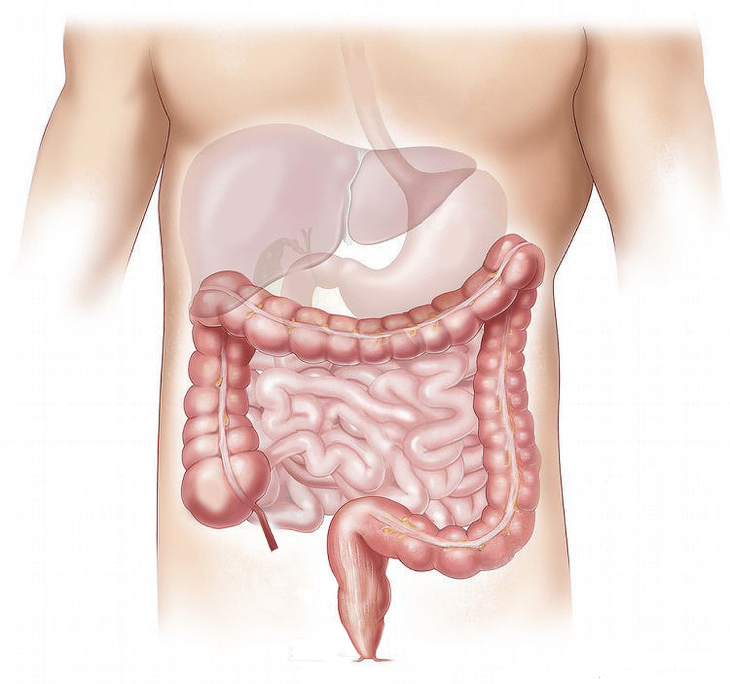
Years of heavy drinking can injure the liver, the heart, the brain and other organs, and it also raises the risk of cancer. According to MedlinePlus, alcohol use disorder raises the risk of:
- Brain and nerve damage
- Several types of cancer
- Liver disease, including cirrhosis (scarring of the liver)
- Heart damage
- High blood pressure
- Pancreatitis (inflammation of the pancreas)
- Depression and suicide
- Dementia and memory loss
- Sleep problems
- Poor nutrition
Frequently Asked Questions About Alcohol Addiction
According to MedlinePlus and the World Health Organization, the acute phase of alcohol withdrawal generally lets up within about 2 to 10 days. The first symptoms often show up within hours of a person’s last drink, hitting their strongest point around 24 to 72 hours, while some symptoms can hang on for weeks. MedlinePlus reports that delirium tremens, the most severe form of alcohol withdrawal, typically begins 48 to 96 hours after a person’s last drink, though it can hold off for 7 to 10 days. The withdrawal section above has the full timeline.
Quitting cold turkey after heavy, long-term drinking can be dangerous, so check with a doctor or a detox program first, according to MedlinePlus and the American Society of Addiction Medicine (ASAM). MedlinePlus notes that a person’s risk level guides whether withdrawal is managed on an outpatient or an inpatient basis, and even with outpatient withdrawal, someone needs to stay with you.
Three medications are FDA-approved for alcohol use disorder, and all three are nonaddictive: naltrexone, acamprosate and disulfiram, according to the National Institute on Alcohol Abuse and Alcoholism (NIAAA). A doctor decides whether one of them fits a particular person, and the medications work best alongside counseling or support, according to MedlinePlus.
No. The FDA cautions that drinking while taking benzodiazepines, the class of medicines that includes Xanax, can raise the chance of serious and life-threatening side effects. That warning covers mixing Xanax and alcohol in any amount.
Learn the signs of a drinking problem, pick a time to talk when the person is sober, and offer to help them find care. The NIAAA Alcohol Treatment Navigator and the SAMHSA National Helpline are free starting points for finding treatment options and information.
Featured Rehab Centers
Finding facilities near you…