





Expert Insights
After a recent death of a toddler from deadly opioid fentanyl, the Vancouver Police Department told a Senate committee that 31 kids died last year from ingesting fentanyl.
A lawyer friend of mine told me that there is no law to include fentanyl in child endangerment cases! The good news is that’s going to change as lawmakers are expanding felony child endangerment laws to include all opioids and smoke from those drugs.
While the bill still needs to be considered by the House, it looks promising and this could make people think twice about using drugs around their kids.
How We Rank Listings
Every facility on this page is drawn from our directory of licensed and accredited treatment providers, and the listings are organized to help you compare real options rather than reward whoever paid the most.
We prioritize centers that hold recognized third-party accreditation, maintain current state licensing, and offer verifiable levels of care and payment options. We weigh several factors when ordering listings, including:
- Accreditation from bodies such as the Joint Commission, CARF, or membership in NAATP
- Range of care levels offered, from medical detox through outpatient and aftercare
- Accepted payment types, including Medicaid, Medicare, private insurance, and sliding-scale options
- Specialty programming for populations such as veterans, women, and young adults
- Completeness and accuracy of the facility’s verified profile information
Sponsored placements are labeled as such. A listing’s position is not a clinical endorsement, and we encourage you to verify current services, availability, and insurance acceptance directly with any center before enrolling.
Rehab in Vancouver: What to Know
Vancouver sits in Clark County along the Columbia River, directly across from Portland, Oregon, and anchors the Washington side of the Portland-Vancouver metro area. Our directory currently lists 32 treatment facilities in and around the city, spanning medical detox, residential rehab, and outpatient care.
Many residents also draw on providers across the wider region, and the state’s full directory of options is available on the Washington rehab centers page.
Publicly funded behavioral health care in the area is coordinated through Clark County and Southwest Washington Behavioral Health, which help connect low-income residents to substance use and mental health services.
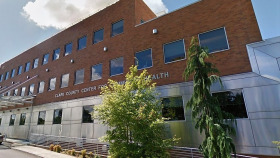
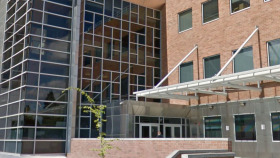
Established local providers include Lifeline Connections, which operates medical detox and a sobering unit on the Center for Community Health campus near downtown, along with Columbia River Mental Health Services and PeaceHealth’s ADAPT program.
These organizations form the backbone of the county’s addiction treatment options for people relying on public coverage.
Fentanyl and other synthetic opioids have reshaped the local picture over the past several years. Clark County recorded 104 synthetic opioid overdose deaths in 2024, down slightly from 107 the year before, after deaths in the county nearly doubled between 2016 and 2021.
County public health officials reported the first sustained decline in overdose deaths since 2018 heading into 2025, which they have tied in part to expanded naloxone access and community outreach. Understanding opioid use disorder and the treatment options that address it is a starting point for many families in the area.
Alcohol also remains a persistent concern locally and is frequently cited as the primary substance among people entering treatment in the Vancouver area. Because the city functions as part of a shared metro with Portland, some residents cross the river for care, while others prefer to stay closer to home and community support networks in Clark County.
Cost of Rehab in Vancouver
There is no single price for addiction treatment, and what you pay in Vancouver depends heavily on the level of care, program length, insurance, and whether a facility offers luxury or standard accommodations.
Because reliable city-level cost figures are limited, the most useful anchor is the statewide average. Washington ranks 14th nationally for treatment affordability, with an average cost of drug and alcohol rehab of about $46,000 without insurance.
Given that Vancouver sits within the higher-cost Portland metro area, local out-of-pocket costs may fall at or above these state averages.
Several factors move an individual’s cost up or down. Reviewing these before you call a facility can help you ask the right questions and avoid surprises:





If cost is a barrier, note that many Vancouver-area programs accept Medicaid or offer sliding-scale fees, and comparing inpatient rehab against outpatient options can substantially change the total. Verifying your coverage before enrolling is one of the most effective ways to reduce what you pay out of pocket.
How to Pay for Rehab in Vancouver
Across the 32 facilities listed in Vancouver, treatment is paid for through a mix of private insurance, public coverage, self-payment, and assistance programs. The counts below reflect how many local facilities in our directory accept each payment type.





There are several ways to cover the cost of treatment in Vancouver. Here is how the most common options work.
Medicare
Medicare covers addiction treatment for adults 65 and older, as well as some younger adults with qualifying disabilities. Original Medicare typically leaves you responsible for a share of approved costs, while Medicare Advantage plans bundle coverage through private insurers with their own provider networks.
Ten Vancouver-area facilities in our directory accept Medicare. If you are enrolled, confirming which local programs are in network is an important first step, and our overview of how insurance covers addiction treatment can help you prepare those questions.
Medicaid
Washington’s Medicaid program is called Apple Health, administered through the state Health Care Authority. Apple Health covers substance use services including outpatient care, opioid use disorder treatment, and medication-assisted treatment, often with no deductible or copayment.
Sixteen facilities in the Vancouver directory accept it. Because Apple Health frequently covers medication-assisted treatment, it can be a practical route to methadone or buprenorphine care through providers such as the local comprehensive treatment center. Some programs that accept Apple Health maintain waiting lists, so it is worth calling early.
Military Benefits
Veterans and active-duty service members have coverage options through TRICARE and the Department of Veterans Affairs, and seven Vancouver facilities accept TRICARE.
The VA Portland Health Care System serves the Vancouver area, and the Clark County Veterans Assistance Program helps connect veterans and their families to benefits and care. Additional rehab resources for veterans and military members outline what treatment is typically available.
Insurance and Private Pay
Private insurance is widely accepted locally, with 29 facilities taking commercial plans, and 30 accepting self-payment or cash. Under the Affordable Care Act, insurers must provide some level of substance use coverage, though the specifics vary by plan and network. Major carriers with coverage in Washington include:
- Aetna
- Cigna
- HealthChoice
- Humana
- Kaiser Permanente
- Premera Blue Cross
- Regence BlueShield
- UnitedHealthcare
Other Low-Cost Options
For those without robust coverage, 12 Vancouver facilities offer sliding-scale fees based on income and household size, and 11 offer some form of financial assistance.
Payment plans, scholarships, and community-funded programs can further reduce the burden. If paying for treatment feels out of reach, our guide to rehab scholarships covers programs that can help offset the cost.
Levels of Care Available in Vancouver
Vancouver offers a full continuum of care, including 10 medical detox facilities, 12 inpatient rehab programs, and 29 standard outpatient clinics, along with dual diagnosis and sober living options. The right starting point depends on the severity of the substance use, medical needs, and personal circumstances.






Medical detox provides supervised withdrawal management, which is especially important for alcohol, opioids, and benzodiazepines, where stopping suddenly can be dangerous. Local providers such as Lifeline Connections operate detox and sobering services near downtown Vancouver. Learn more about what to expect from supervised detox.
Inpatient and residential rehab offers 24-hour care in a structured setting, typically after detox, and suits people who need to step away from their environment to focus on recovery. Our overview of residential treatment explains how these programs are structured.
Partial hospitalization programs deliver intensive daytime treatment while allowing clients to return home in the evening, bridging the gap between residential and outpatient care. See how PHP treatment works.
Standard outpatient care is the most common and flexible level in Vancouver, letting people maintain work and family responsibilities while attending scheduled sessions. Many programs incorporate medication-assisted treatment for opioid and alcohol use disorders. Explore the range of outpatient rehab and intensive outpatient programs.
Dual diagnosis programs, offered by 23 area facilities, treat substance use alongside co-occurring conditions such as co-occurring depression and anxiety, which commonly appear together.
Sober living homes and continuing support help maintain progress after formal treatment ends; our guide to rehab aftercare covers this stage of recovery.
Specialty Programs in Vancouver
Many Vancouver facilities tailor treatment to specific populations, recognizing that recovery needs differ across age, gender, background, and substance. The counts below reflect specialty programming available among local listings.







Alcohol remains the most commonly cited substance among people entering treatment in the Vancouver area, and the 27 local programs addressing alcohol use disorder reflect that demand.
The 18 programs focused on opioid use disorder address the fentanyl-driven crisis that has hit Clark County hard in recent years. Facilities offering LGBTQ+ affirming addiction care and dedicated rehab resources for veterans and military members round out the specialized options, alongside programs geared toward women, men, young adults, and older adults.
Free and Low-Cost Rehab Resources in Vancouver
Cost should not keep you from getting help. Clark County and its community partners operate a range of free and low-cost services for Vancouver residents, from 24-hour crisis lines to harm reduction and public behavioral health programs. The resources below are verified and current as of publication.
Crisis and Support Lines
- 988 Suicide and Crisis Lifeline
https://988lifeline.org/
Available 24/7 for any mental health or substance use crisis. Native and Strong Lifeline available - Southwest Washington Crisis Line
clark.wa.gov
24-hour behavioral health crisis support for Clark County. - SAMHSA National Helpline
https://www.samhsa.gov/find-help/helplines/national-helpline
Free and confidential treatment referral, 24/7. - Washington Warm Line
https://findahelpline.com/organizations/washington-warm-line
Peer support for non-crisis situations, 24/7.
If you or someone you care about is in emotional distress, our crisis support and suicide prevention resources offer additional guidance.
County Health and Behavioral Health
- Clark County Public Health
clark.wa.gov/public-health - Southwest Washington Behavioral Health
swbh.org
Coordinates publicly funded behavioral health for Clark, Cowlitz, and Skamania counties. - Recovery Café of Clark County
recoverycafecc.org
Recovery Navigator Program, peer recovery support and expedited access to treatment.
Harm Reduction
- Clark County Public Health Harm Reduction Center
https://clark.wa.gov/
Anonymous syringe exchange, free naloxone kits and overdose prevention training, and confidential HIV and hepatitis C testing. - Free naloxone
Washington residents can order free naloxone for home delivery or find it through the state Naloxone Finder; SWACH also operates free naloxone vending machines across Southwest Washington.
Veterans and Military
- VA Portland Health Care System
https://www.va.gov/portland-health-care/
Provides outpatient substance use treatment serving the Vancouver area. - Clark County Veterans Assistance Program
https://www.veteransofclarkcountyohio.com/
Available benefits include information on Emergency Financial Assistance, Transportation, Education & Training, Vocational Rehabilitation & Employment, and Health Care.
Community and Free Clinics
- Free Clinic of Southwest Washington
https://freeclinics.org/
Free health care for uninsured children and adults. - Cowlitz Tribal Health Services
https://www.cowlitz.org/medical
Culturally specific health services for tribal members. - YWCA Clark County SafeChoice
https://www.ywcaclarkcounty.org/
24-hour domestic violence hotline, shelter and advocacy for survivors. Families navigating abuse and recovery can also review our support for survivors of abuse. - Apple Health (Washington Medicaid)
https://www.hca.wa.gov/about-hca/programs-and-initiatives/apple-health-medicaid
Apply through the Washington State Health Care Authority for coverage that includes substance use treatment.
Drug and Alcohol Use Statistics in Vancouver
Clark County has been hit hard by the fentanyl-driven overdose crisis, though recent county public health data point to the first sustained decline in overdose deaths since 2018. The figures below draw on state and county sources and reflect the most recent data available.
Synthetic opioids, primarily fentanyl, now account for the large majority of opioid-involved deaths statewide. The county has responded by expanding naloxone distribution through its harm reduction center and community vending machines.
Officials credit these machines as a factor in the recent decline. Understanding fentanyl overdose risk is central to reducing these deaths.
Alcohol remains an enduring concern alongside the opioid crisis and is frequently reported as the primary substance among people seeking treatment locally. For statewide and national context on substance use trends, see our national substance use statistics.
Resources
- Addictions.com. (2024). Alcohol & Drug Rehabs in Washington. https://www.addictions.com/rehabs/washington/
- The Columbian. (2025). Has surge of overdose deaths subsided? Fatal opioid overdoses fall in WA, Clark County. https://www.columbian.com/news/2025/aug/06/has-surge-of-overdose-deaths-subsided-fatal-opioid-overdoses-fall-in-wa-clark-county/
- The Columbian. (2023). State dashboard shows Clark County overdose deaths doubled between 2016 and 2021. https://www.columbian.com/news/2023/apr/07/state-dashboard-shows-clark-county-overdose-deaths-doubled-between-2016-and-2021/
- Southwest Washington Accountable Community of Health. (2025). Clark County Public Health Shares New Overdose Data with PRACC. https://www.southwestach.org/news/clark-county-public-health-shares-new-overdose-data-with-pracc
- University of Washington Alcohol & Drug Abuse Institute. (2025). Washington state opioid trends: Deaths. https://adai.washington.edu/wadata/deaths.htm
- Clark County Public Health. Harm Reduction Syringe Services Program. https://clark.wa.gov/public-health/harm-reduction-syringe-services-program
- Clark County. Clark County Crisis Services. https://clark.wa.gov/community-services/clark-county-crisis-services
- Southwest Washington Behavioral Health. https://www.swbh.org