

 Verified
15 treatment centers in and around Franklin, reviewed against accreditation and licensing standards. Filter by level of care, what you can pay, and who the program is built for. Below the listings: what rehab costs here and how to pay for it.
Verified
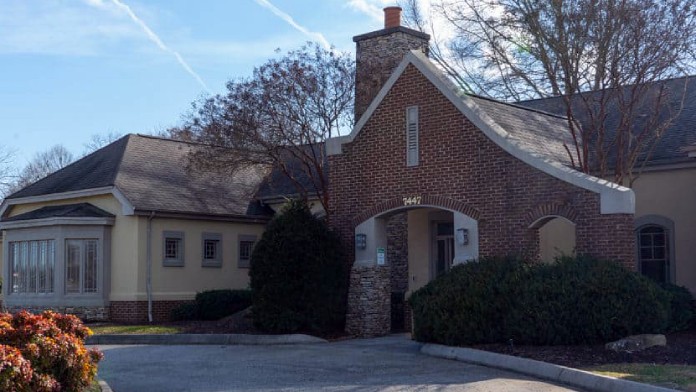
7447 Andersonville Pike · Knoxville, TN 37938
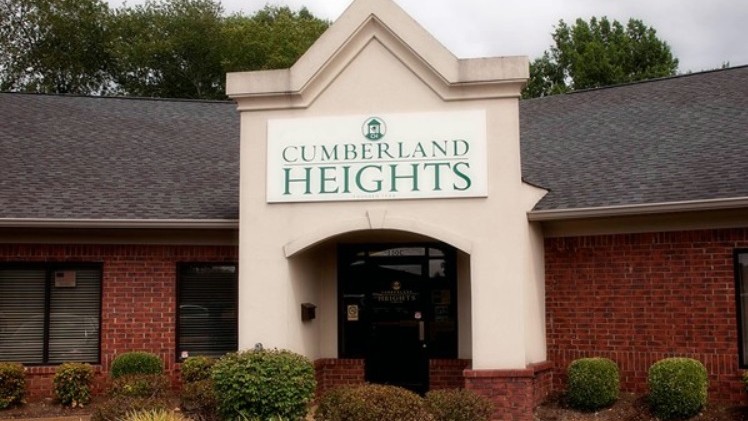
130 Stonebridge Boulevard · Suite C, Jackson, TN 38305
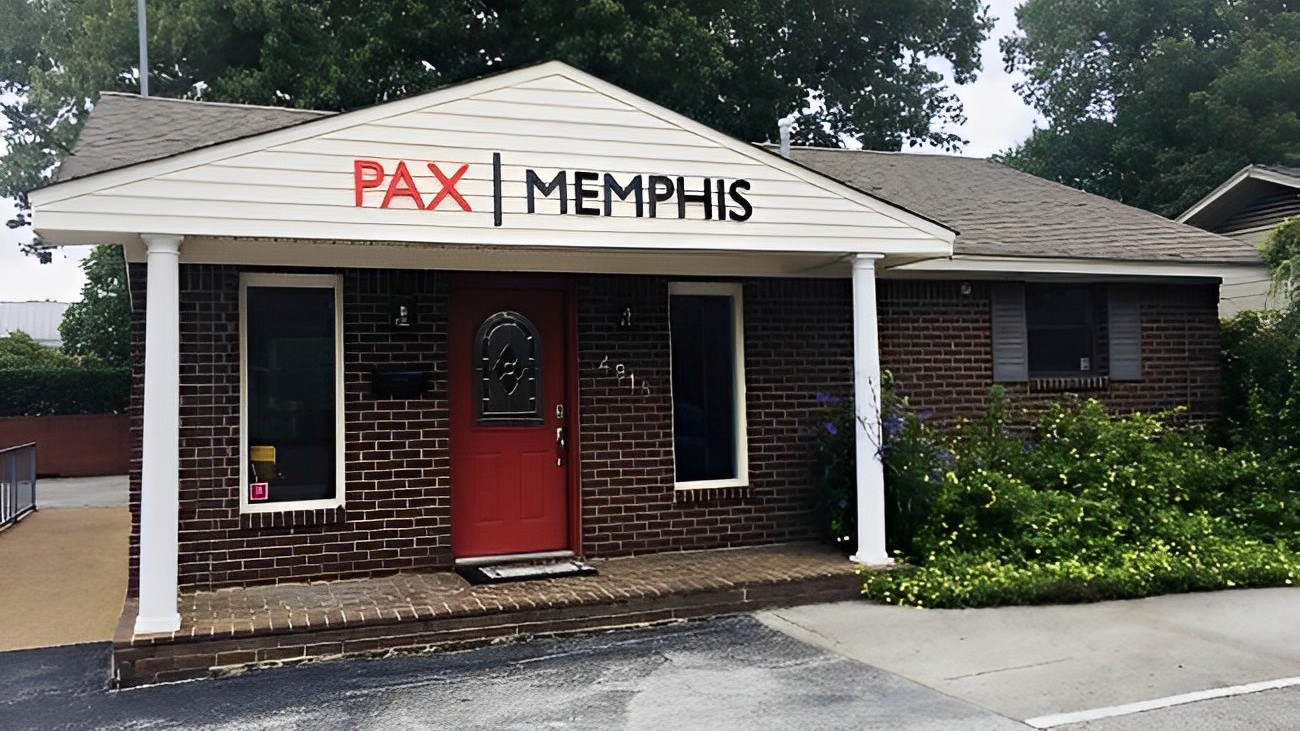
4918 William Arnold Road · Memphis, TN 38117
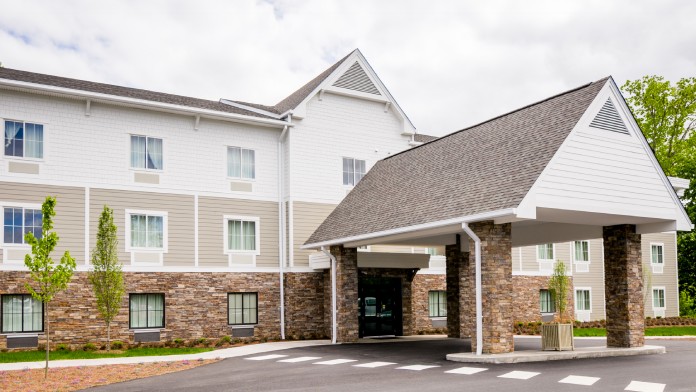
4726 Airport Highway · Louisville, TN 37777
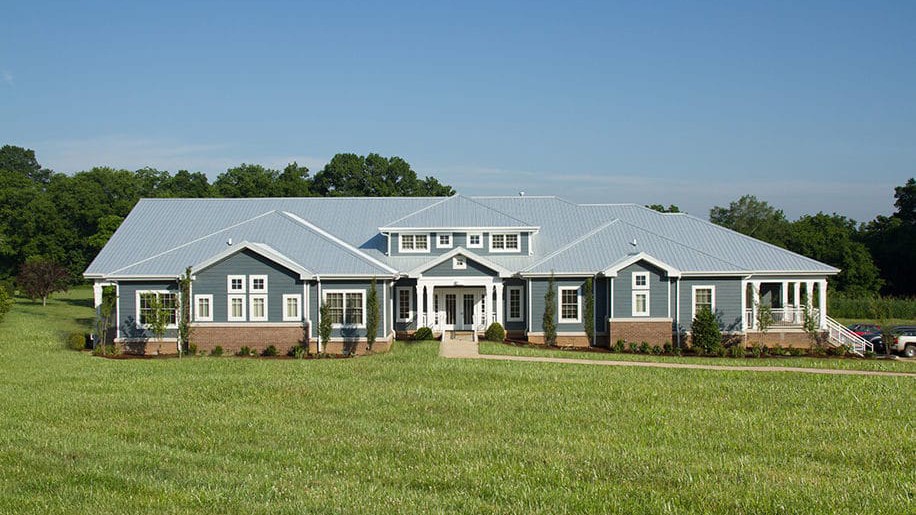
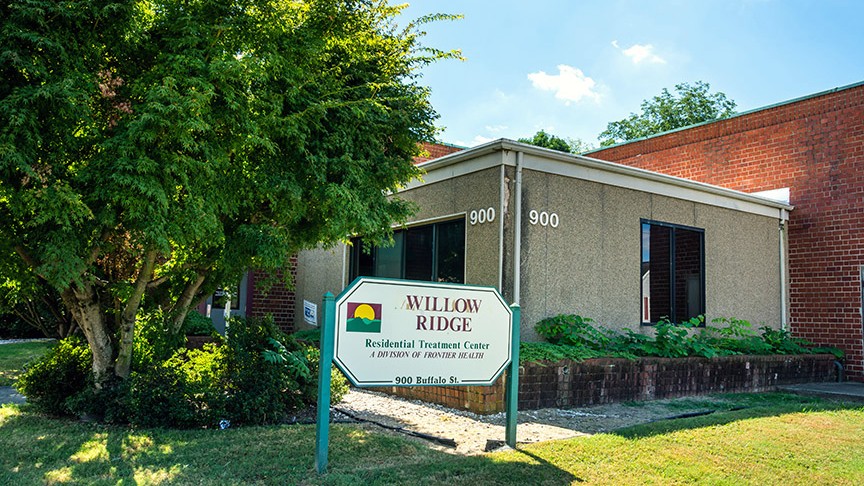
900 Buffalo Street · Johnson City, TN 37604
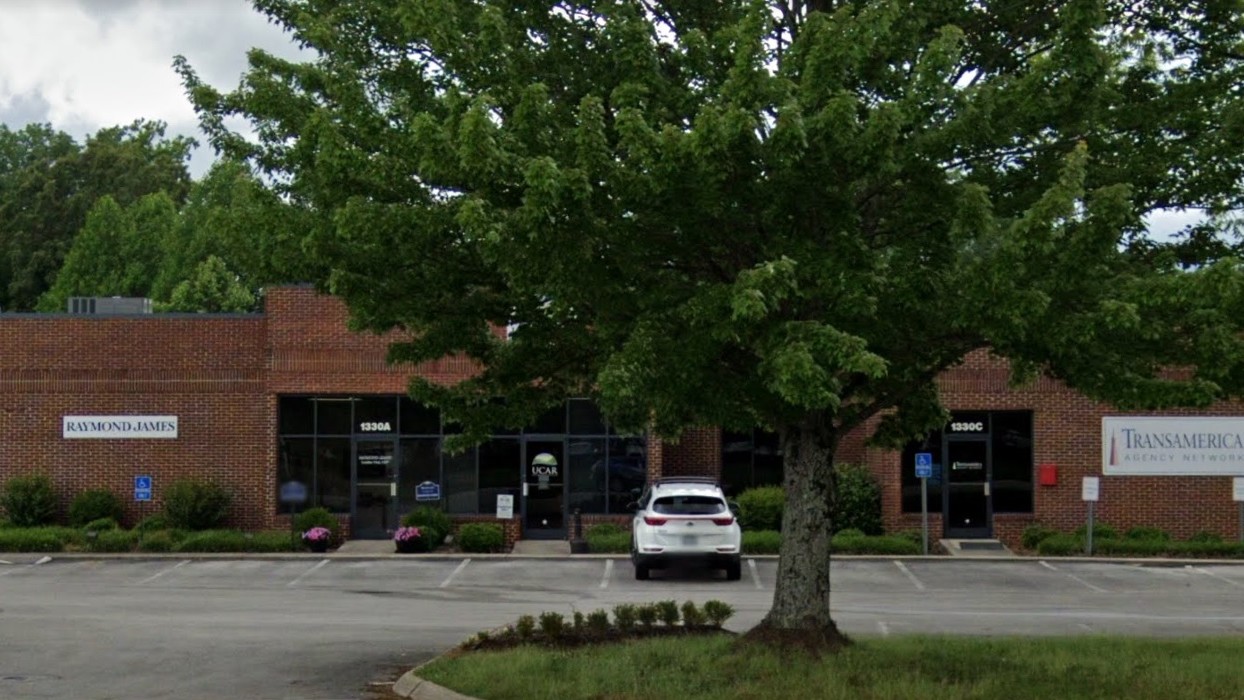
1330 Neal Street Suite D · Cookeville, TN 38501

2723 Asbury Road · 103, Knoxville, TN 37914

3507 Charlotte Ave · Nashville, TN 37209

5935 Edmondson Pike · Nashville, TN 37211
Showing 1–15
| Thumbnail | Name | Address | Phone | Treatment | Insurance |
|---|---|---|---|---|---|

|
APEX Recovery Rehab Nashville |
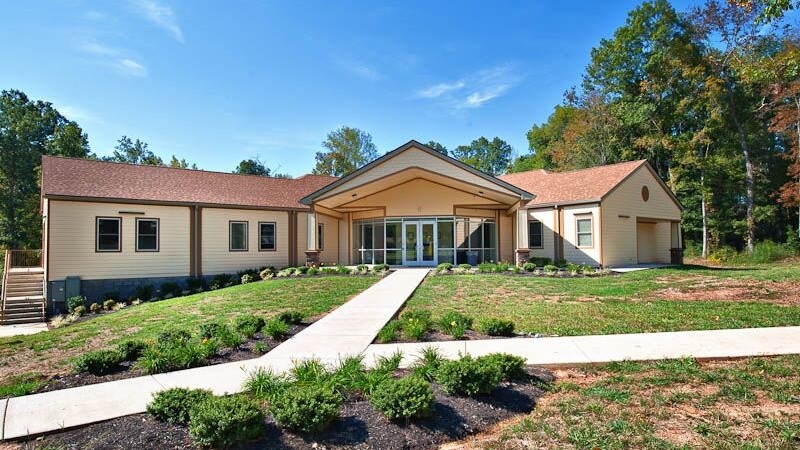
4601 Carothers Pkwy STE 250, Franklin, TN 37067 APEX Recovery features substance abuse and co-occurring mental health treatment. This location offers outpatient care, but they can provide referrals to their inpatient locations for clients with high intensity needs. You'll find 'em located in Franklin, Tennessee. Various Treatment Modalities APEX focuses on various methods to address your recovery needs. One therapeutic method is cognitive behavioral therapy (CBT). It targets… |
|||
|
Rolling Hills Hospital |
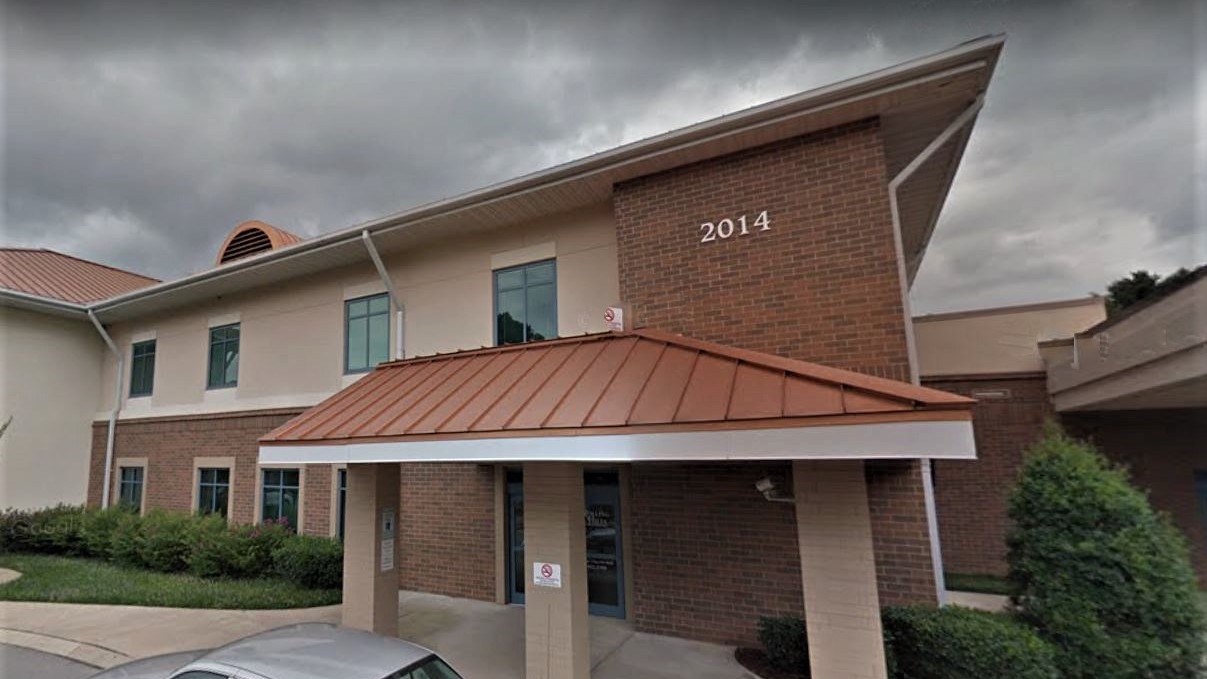
2014 Quail Hollow Circle, Franklin, TN 37067 Rolling Hills Hospital is a private behavioral health hospital in Franklin, Tennessee licensed by the Tennessee Department of Mental Health and Substance Abuse Services and offering comprehensive addiction treatment for adults. The hospital treats alcohol and drug addiction as well as co-occurring mental health conditions and offers care across multiple levels including detox and inpatient as well as PHP and… |
|||
|
JourneyPure Franklin Outpatient |
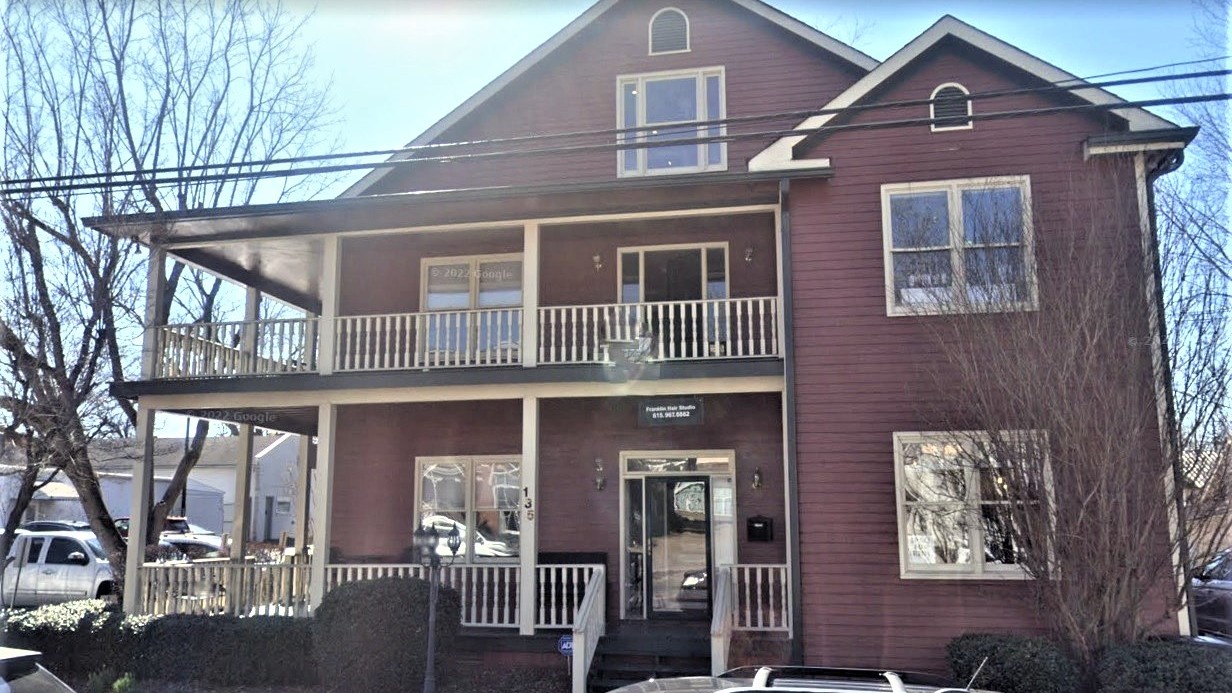
135 2nd Avenue North Suite 200, Franklin, TN 37064 JourneyPure Franklin Outpatient is a rehab located in Franklin, Tennessee. JourneyPure Franklin Outpatient specializes in the treatment of addiction. |
|||
|
InSight Recovery and Wellness |
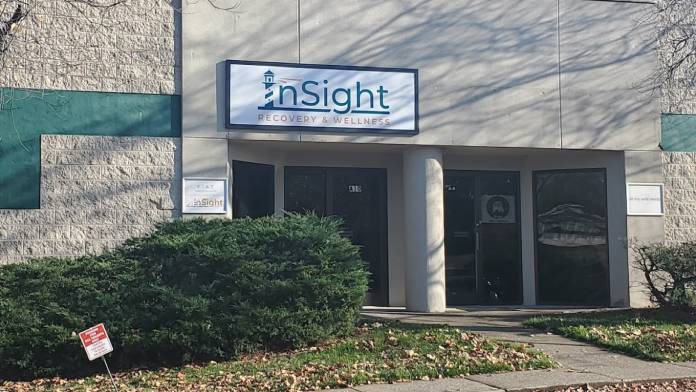
130 Seaboard Ln Suite A10, Franklin, TN 37067 InSight Recovery and Wellness is a rehab located in Franklin, Tennessee. InSight Recovery and Wellness specializes in the treatment of addiction. |
|||
|
|
Mind Body Wellness |
1201 Liberty Pike #205, Franklin, TN 37067 Mind Body Wellness is a rehab located in Franklin, Tennessee. Mind Body Wellness specializes in the treatment of addiction. |
|||
|
|
Summit Behavioral Healthcare |
389 Nichol Mill Ln, Franklin, TN 37067 Summit Behavioral Healthcare is a rehab located in Franklin, Tennessee. Summit Behavioral Healthcare specializes in the treatment of addiction. |
|||
|
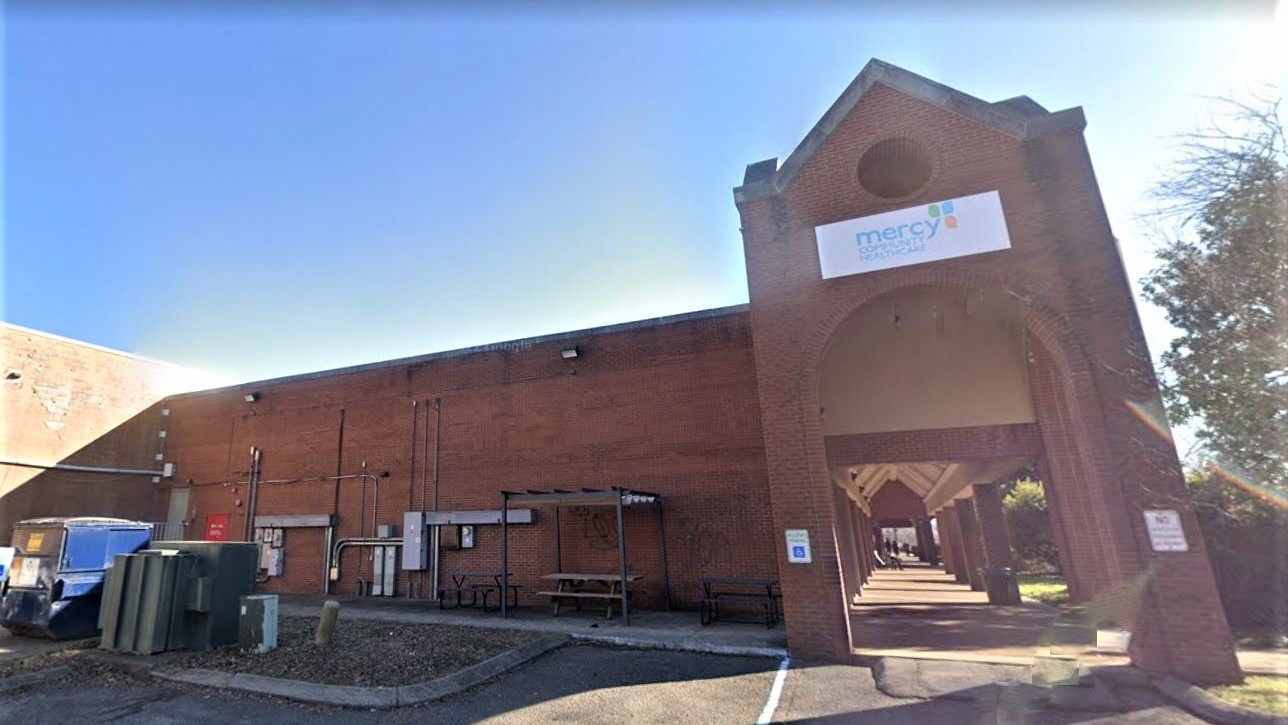
Mercy Community Healthcare Health Center |
1113 Murfreesboro Road Suite 319, Franklin, TN 37067 Located in Franklin, Tennessee, Mercy Community Healthcare Health Center is a health center providing outpatient services. They’ll help you heal from addiction and treat any underlying mental health conditions. Serving children and adults, treatment is delivered through group and one on one therapy. Counselors will collaborate with primary care providers and psychiatrists to manage care coordination. Services also include approaches… |
|||
|
Omni Community Health Franklin |
2001 Mallory Lane Suite 300, Franklin, TN 37067 Omni Community Health Franklin is a rehab located in Franklin, Tennessee. Omni Community Health Franklin specializes in the treatment of addiction. |
|||
|
Cumberland Heights |
7105 Crossroads Boulevard Suite 107, Brentwood, TN 37027 Cumberland Heights is an outpatient addiction treatment center in Brentwood, Tennessee, offering substance use disorder care through its Cool Springs location serving the Franklin and Cool Springs area. The program provides intensive outpatient treatment, individual and group counseling, family education and telehealth services across Tennessee. Backed by a history dating to 1966, Cumberland Heights blends evidence based therapies with 12… |
|||
|
Recovery Unplugged Tennessee |
255 Wilson Pike Cir, Brentwood, TN 37027 The Recovery Unplugged Nashville Drug and Alcohol Rehab in Brentwood, Tennessee, is a residential facility that treats drug and alcohol addictions. They also offer treatment for mental health disorders. The organization bases its services around music assisted treatment. They accept Medicare, Medicaid, private insurance, and employee insurance. Clients needing financial assistance can be placed on a payment plan or may… |
|||
|
|
American Addiction Centers |
200 Powell Pl, Brentwood, TN 37027 American Addiction Centers is a rehab located in Brentwood, Tennessee. American Addiction Centers specializes in the treatment of addiction. |
|||
|
|
Promises Behavioral Health |
103 Powell Ct Suite 100, Brentwood, TN 37027 Promises Behavioral Health is a rehab located in Brentwood, Tennessee. Promises Behavioral Health specializes in the treatment of addiction. |
|||
|
|
JourneyPure Nashville Alcohol and Drug Rehab Brentwood |
105 Westpark Dr #450, Brentwood, TN 37027 JourneyPure Nashville Alcohol and Drug Rehab Brentwood is a rehab located in Brentwood, Tennessee. JourneyPure Nashville Alcohol and Drug Rehab Brentwood specializes in the treatment of addiction. |
|||
|
|
Brentwood Springs Detox |
5935 Edmondson Pike, Nashville, TN 37211 Brentwood Springs Detox is a medical detox center based in Nashville, Tennessee. Their comforting facility has a home-like feel that puts you at ease while you go through the detoxification process. They have medical detox programs, which use medication to manage withdrawal, and a holistic detox program which does not use medication and relies on alternative therapies. They also offer… |
|||
|
Foundations Recovery Network |
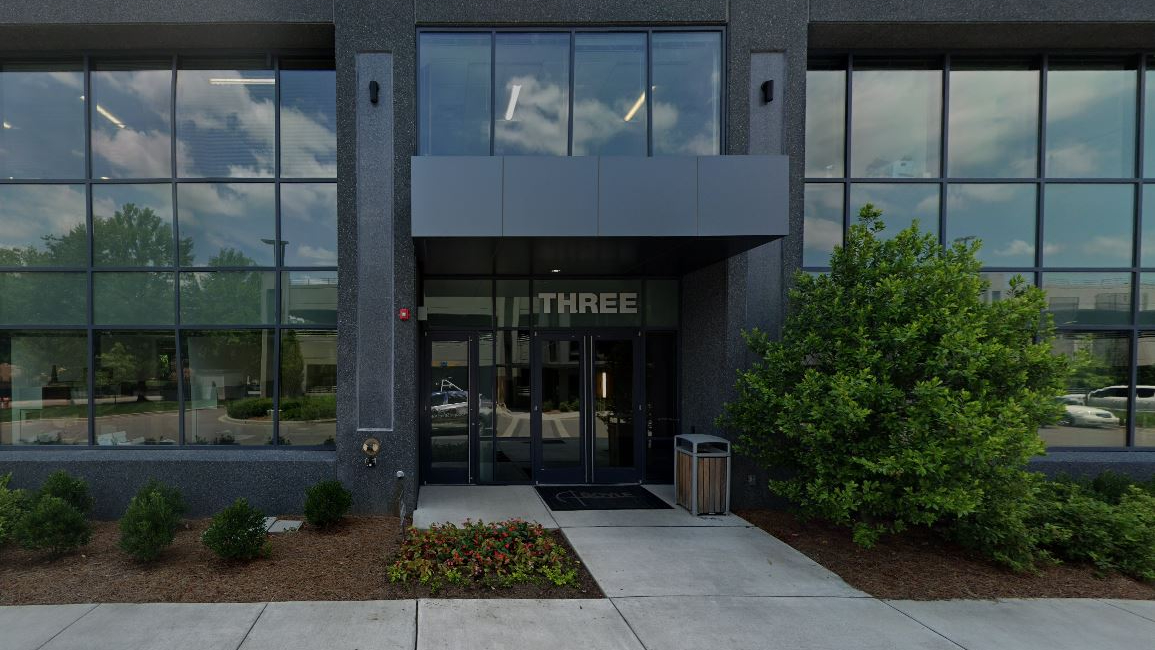
1000 Health Park Drive, 400, Brentwood, TN 37027 Foundations Recovery Network is a rehab located in Brentwood, Tennessee. Foundations Recovery Network specializes in the treatment of addiction. |
|||
No centers match all of these filters.
View more listings near Franklin or search by the letter of cities in Tennessee.
Frequently asked questions
The treatment centers on this page come from our directory of licensed and accredited providers serving Franklin and the surrounding Williamson County area. We put the listings together to make it easier to see what each center offers, who it works with and how you can pay for treatment. A provider doesn't move up the list simply because it paid for an ad or sponsored placement.
We pay attention to current Tennessee licensing, recognized third party accreditation and the information providers make available about their services. We also point out options such as medication assisted treatment, specialized programs and financial assistance when they're available.
Sponsored listings are labeled clearly. Being listed here doesn't mean a center is the right fit for you or that we endorse its treatment. Always contact the facility directly to confirm that its services, availability and insurance options are still current.
Franklin is the seat of Williamson County, an affluent suburb about 20 miles south of Nashville. The Tennessee rehab directory lists 10 treatment providers in and around the city. They are weighted toward outpatient and residential care. If you can't find a program to meet your needs, you can also reach the wider Nashville metro network of addiction treatment options within a short drive.
Statewide, anyone can reach treatment through the Tennessee REDLINE. It is a free, confidential 24/7 referral line that connects Tennesseans to care whether or not they have insurance. For residents who can’t afford treatment, the Tennessee Department of Mental Health and Substance Abuse Services (TDMHSAS) funds care for those who qualify. TDMHSAS is importantly filling gaps left by the state’s Medicaid coverage limits.
Williamson County has the lowest overdose death rate of any county in Tennessee. But this doesn't mean that opioid use disorder and fentanyl haven't impacted the community. Alcohol is the most common reason people seek care here. For both reasons, quick access to treatment and naloxone remains critically important.
There is no single price for rehab in Franklin. Local figures track with state averages.
Cost depends on the level of care, treatment length, whether a program is public or private and insurance coverage. Medical detox and residential care are the most expensive, largely because they include 24/7 care. Outpatient counseling is the most affordable option and medication assisted treatment falls in between. Most people don't pay these amounts out of pocket once insurance, TennCare or a sliding fee scale is applied.
Unfortunately, Tennessee did not expand Medicaid. This means only those who are eligible people can get TennCare, which covers the substance use continuum.
For those who don’t, TDMHSAS funded treatment and the Behavioral Health Safety Net provide care based on income. Options such as treatment scholarships and financial assistance can also help with private programs.
Every treatment center listed in our Franklin directory accepts self pay and private insurance. Several also bill TennCare, Medicare or TRICARE and some offer financial assistance.
The cards below show how many Franklin programs in our directory accept each payment type.
If you have Medicare, it may pay for addiction treatment when medically necessary. Coverage can include inpatient treatment, outpatient care and counseling. What Medicare covers and what you pay can depend on your plan and the type of treatment you need. Before choosing a rehab program, take a few minutes to learn how Medicare and private insurance apply to rehab.
If you have TennCare, Tennessee's Medicaid program may help cover substance use treatment, including medication assisted treatment through its managed care plans. Eligibility is more limited in Tennessee than in states that expanded Medicaid. Four treatment programs in Franklin accept TennCare.
Check with the program directly to make sure your coverage applies to the services you need.
If you have TRICARE, four Franklin treatment programs accept it. Coverage is available to active duty service members, retirees and eligible family members. Vets can also get addiction treatment through the VA system. You can find more addiction resources for veterans and military families in the area.
Most health plans must cover substance use treatment under the Affordable Care Act. That doesn't mean every plan covers treatment the same way. Your deductible, benefits and network can all affect what you pay. Before you enter treatment, check your coverage and ask the program what you can expect to pay.
Care in Franklin ranges from medical detox and residential inpatient programs to outpatient clinics and dual diagnosis treatment.
The cards below show how many programs are available locally in each category.
Medical detox gives you medical support while your body adjusts to stopping alcohol or drugs. For some people, this is the safest place to begin treatment.
Inpatient rehab gives you a place to stay while you work on your recovery. You have support around the clock and don't have to manage treatment on your own. Many programs run for 30 to 90 days.
Outpatient care lets you live at home and go to the program for scheduled sessions. It's the most common level of care in Franklin.
These programs understand that addiction and mental health problems go hand in hand. There are six local programs that address a substance use disorder and a mental health condition such as depression, anxiety or PTSD at the same time. Treating both conditions at the same time tends to have better outcomes.
Specialty programs recognize that not everyone has the same needs. Several Franklin programs tailor care to specific groups and substances.
The grid below shows how many programs offer each specialty.
Worrying about how you'll pay for treatment shouldn't stop you from taking that first step. There are several local and statewide resources that offer free or low cost support, from 24 hour helplines to state funded treatment and harm reduction.
Franklin is in Williamson County, which has the lowest overdose death rate in Tennessee. That doesn't mean the area is untouched by the overdose crisis. Its rate is still much lower than the state's, even though fentanyl continues to play a major role in overdose deaths across Tennessee. Looking at national substance use statistics can also help put the local numbers into perspective.

Medical reviewer
Matthew N. Parker, MD
Dr. Matthew N. Parker is a native of Lubbock, Texas and now lives in deep East Texas. He was trained at the University of Texas Health Science Center at San Antonio and the Conroe Family Medicine Residency in Conroe, Texas.…
Read bio
Author
Kerry Nenn, BSW
Kerry Nenn is a full-time writer whose 10 published books include self-improvement and children’s titles. She has written and edited extensively in the addiction/recovery and nonprofit sectors. She also contributes regularly to international journal publications and industry-leading websites. Her work…
Read bio