

27 treatment centers in and around Sioux Falls, reviewed against accreditation and licensing standards. Filter by level of care, what you can pay, and who the program is built for. Below the listings: what rehab costs here, how to pay for it, and a note from one of our experts.
4400 West 69th Street · Sioux Falls, SD 57108
112 N Chicago St · Hot Springs, SD 57747
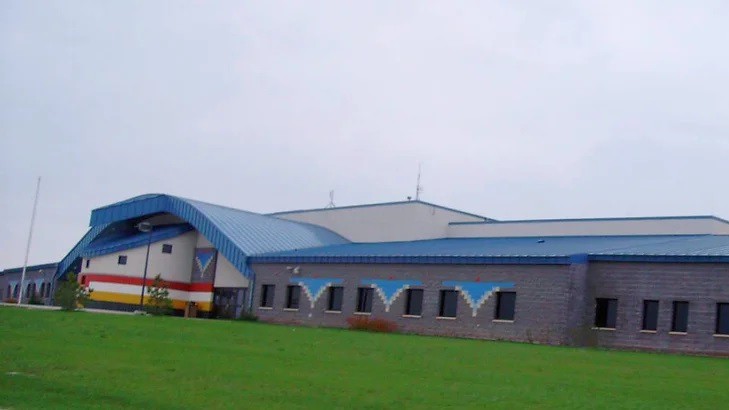
388 Dakota Avenue · Agency Village, SD 57262
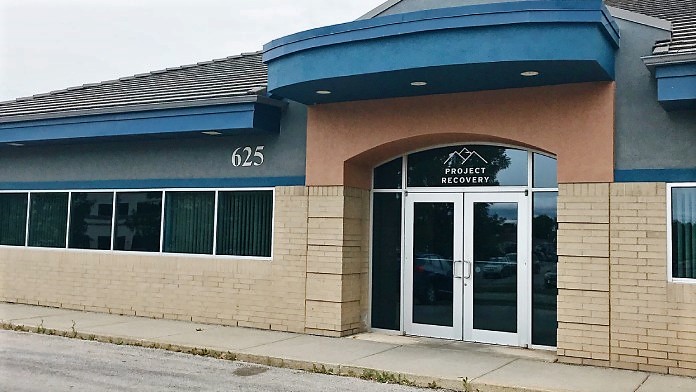
625 Flormann St · Rapid City, SD 57701
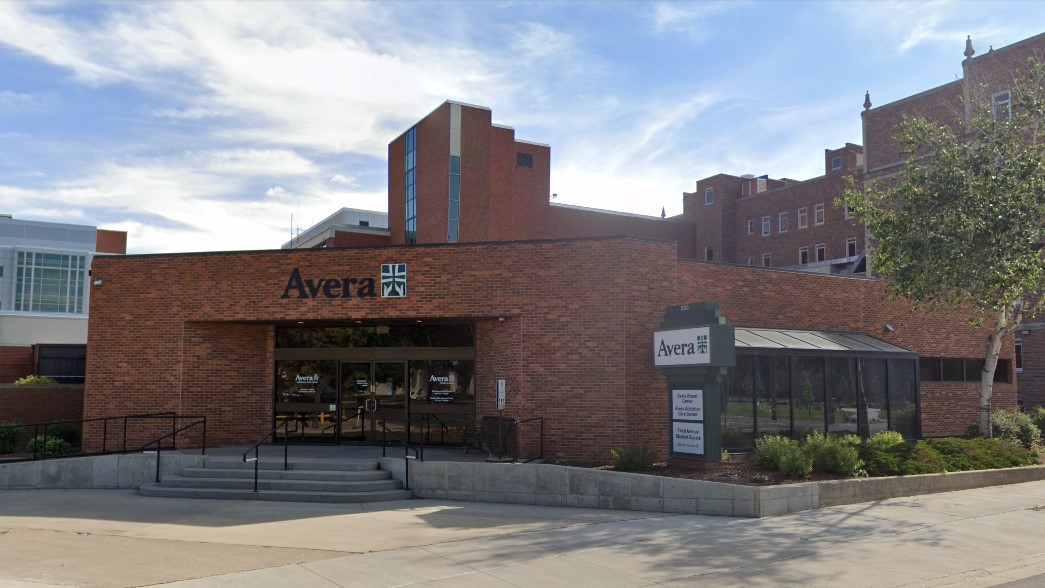
620 3rd Avenue Southeast · Aberdeen, SD 57401
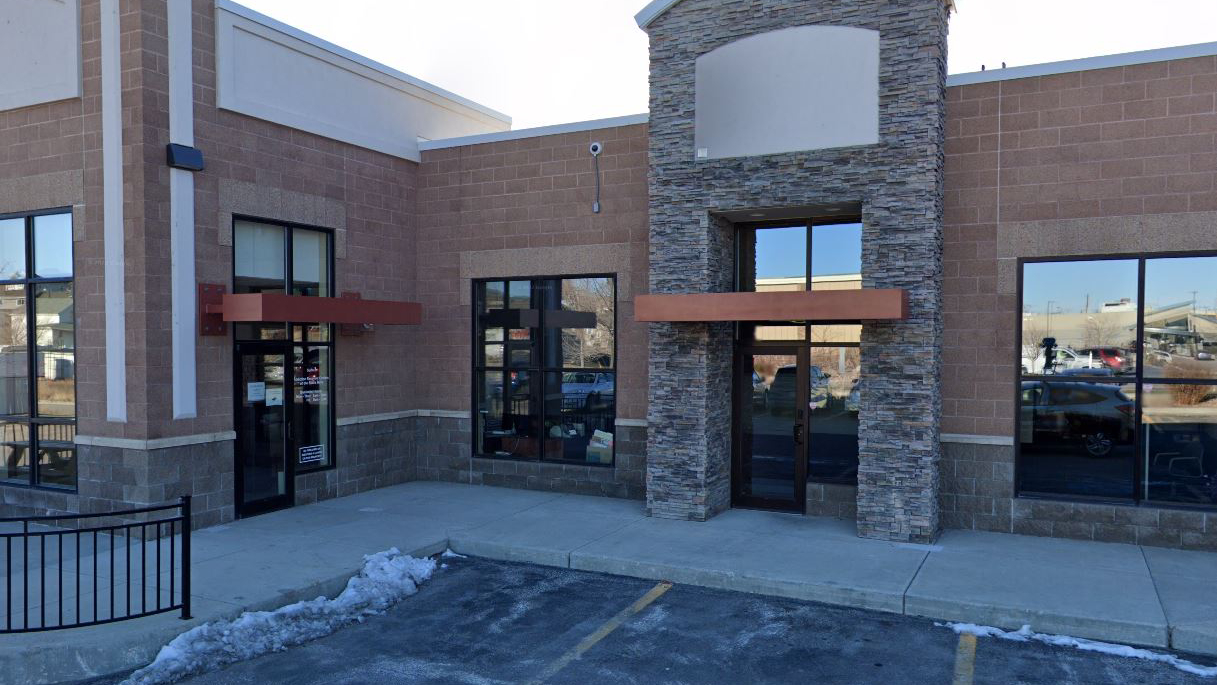
1520 Haines Avenue Suite 6 · Rapid City, SD 57701
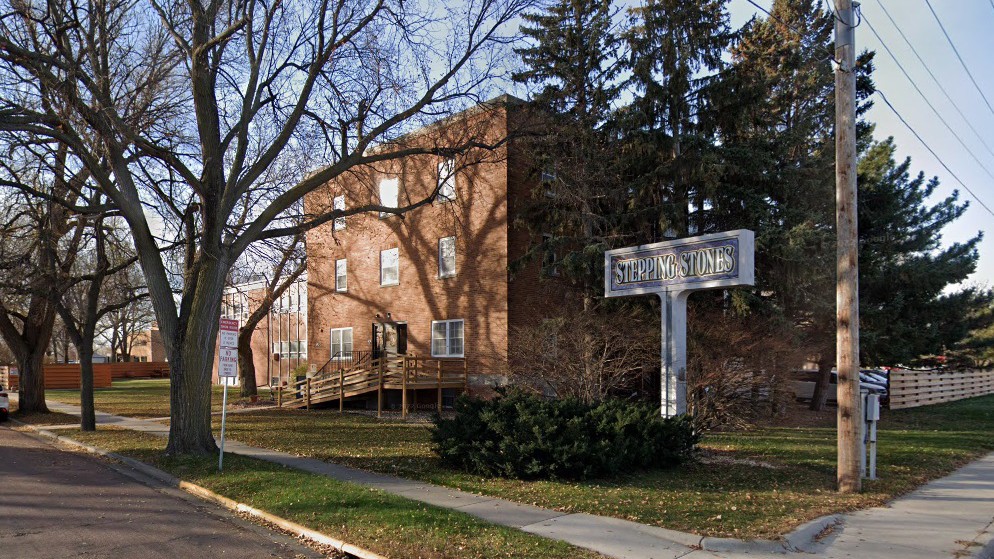
901 South Miller Avenue · Mitchell, SD 57301
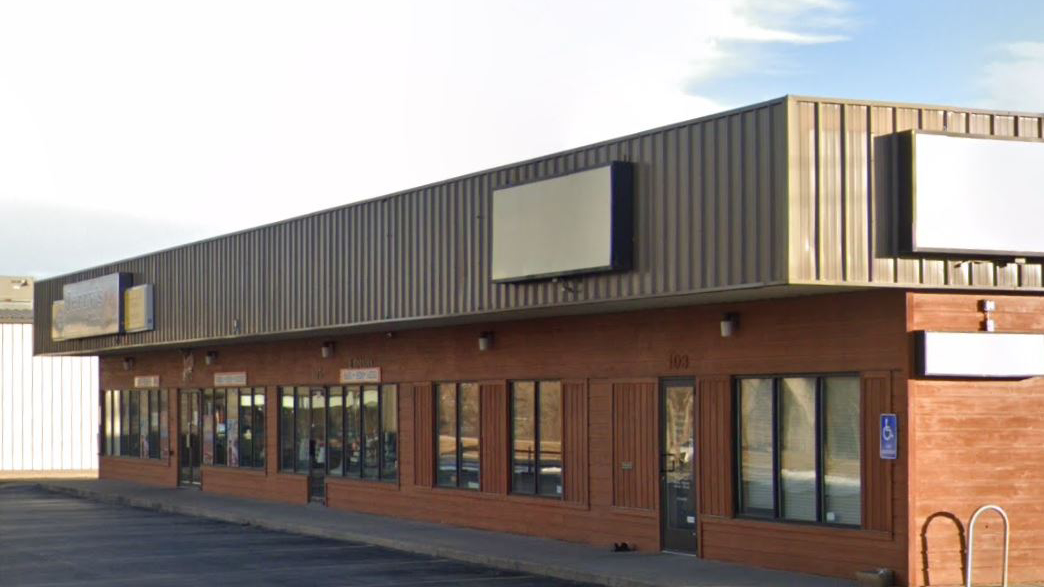
103 East Omaha Street · Rapid City, SD 57701
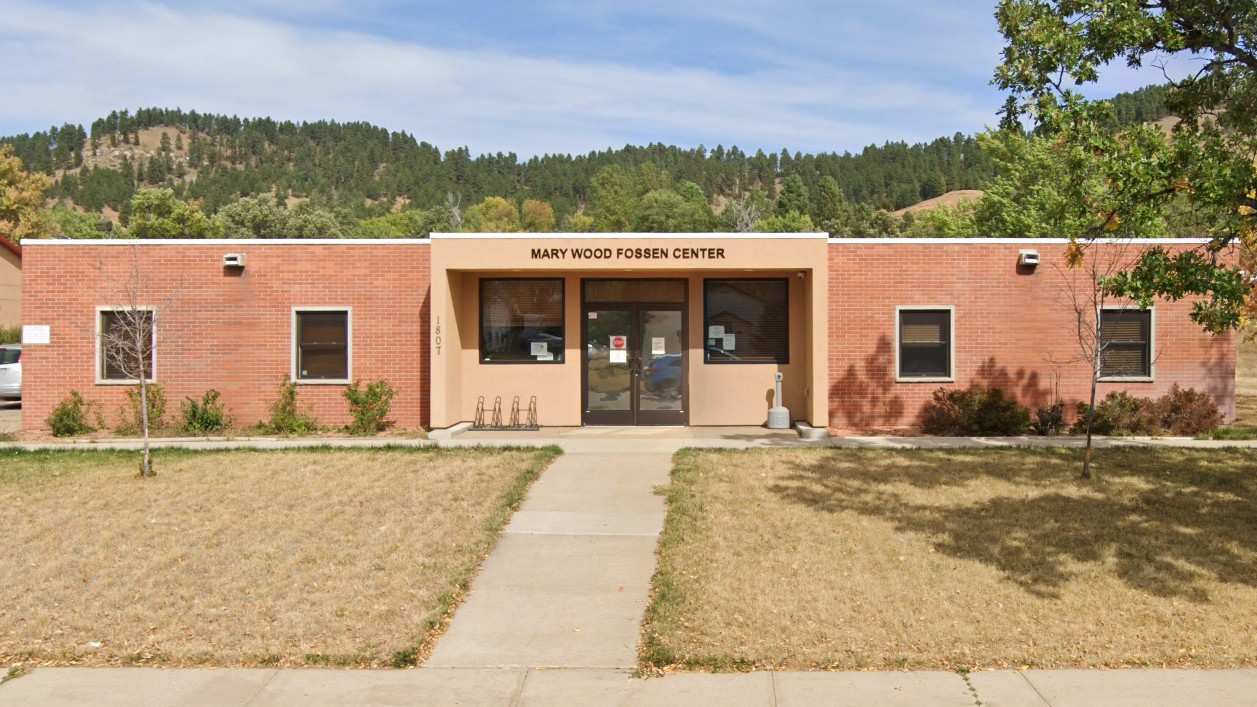
1807 Williams Street · Sturgis, SD 57785
Showing 1–25
| Thumbnail | Name | Address | Phone | Treatment | Insurance |
|---|---|---|---|---|---|
|
|
Face it Together |
5020 S Tennis Lane Suit 4, Sioux Falls, SD 57108 Face it Together, located in vibrant Sioux Falls, South Dakota, is a 501(c)(3) nonprofit foundation that provides person centered coaching for individuals who struggle with substance use disorder. What stands out most to us about this organization is their compassion. They understand that life is complex therefore they will not require you to be sober upon admission into their program.… |
|||
|
Arch Residential Treatment Center |
516 West 12th Street, Sioux Falls, SD 57104 The Arch Residential Treatment Center is located in Sioux Falls, South Dakota and operates under the larger Carroll Institute. This facility provides a safe and supportive environment for men and women needing extensive residential care as they work through a drug, alcohol, or opioid use disorder. Reentry Program in Sioux Falls The Arch Residential Treatment Center also serves as a… |
|||
|
|
Avera Behavioral Health Hospital |
4400 West 69th Street, Sioux Falls, SD 57108 Avera Behavioral Health Center Sioux Falls is a behavioral health hospital that accepts patients of all ages who are facing mental health concerns or substance use disorder. They’re based in Sioux Falls, South Dakota. They offer inpatient and outpatient programs that help you recover from addiction and any co-occurring mental health disorders. Thorough Care for People of All Ages Something… |
|||
|
Glory House |
4000 South West Avenue, Sioux Falls, SD 57105 Glory House is a non-profit addiction treatment center based out of Sioux Falls, South Dakota. They've been helping people since all the way back in 1968. They work with adults who are struggling with substance use disorders and mental health challenges that are co-occurring. They offer both residential programs and outpatient treatment to suit your needs. They utilize many therapy… |
|||
|
Tallgrass Recovery |
27048 Tallgrass Avenue, Sioux Falls, SD 57108 Tallgrass Recovery is a drug and alcohol rehab in Sioux Falls, South Dakota. They admit men and women 18 and over, provided they are medically stable. Staff members are people in recovery, and over 80 percent of services come from volunteers in the community. Residential Care in Sioux Falls Tallgrass offers 30 nights of residential care on site. You remain… |
|||
|
BAART Programs Sioux Falls |
2519 W 8th St, Sioux Falls, SD 57104 There are many BAART Programs facilities across the US, and this particular facility is based in Sioux Falls, South Dakota. Support here is available to adults struggling with addiction and substance abuse. Medicare and various other insurance plans are accepted here. Client-Focused Addiction Treatment Services in Minnehaha County If you’re struggling with addiction, the team here is committed to supporting… |
|||

|
Choices Recovery Services |
5009 South Bur Oak Place, Sioux Falls, SD 57108 Choices Recovery Services is an outpatient rehab in Sioux Falls, South Dakota. The program serves young adults and adults from 18 to 64. Alcohol, drug and gambling problems are treated in the community. Aftercare carries on after treatment, and family involvement stays with that care. Living at Home in Treatment The intensive outpatient program at |
|||
|
|
Keystone Treatment Center - Sioux Falls |
3800 S Kiwanis Ave, Sioux Falls, SD 57105 Keystone Treatment Center is an outpatient rehab in Sioux Falls, South Dakota. They treat addiction, compulsive gambling, and mental health concerns that occur with substance use. Is residential care in Sioux Falls? Residential treatment isn’t at the Sioux Falls center. You go home at the end of the day instead of staying overnight. Keystone |
|||
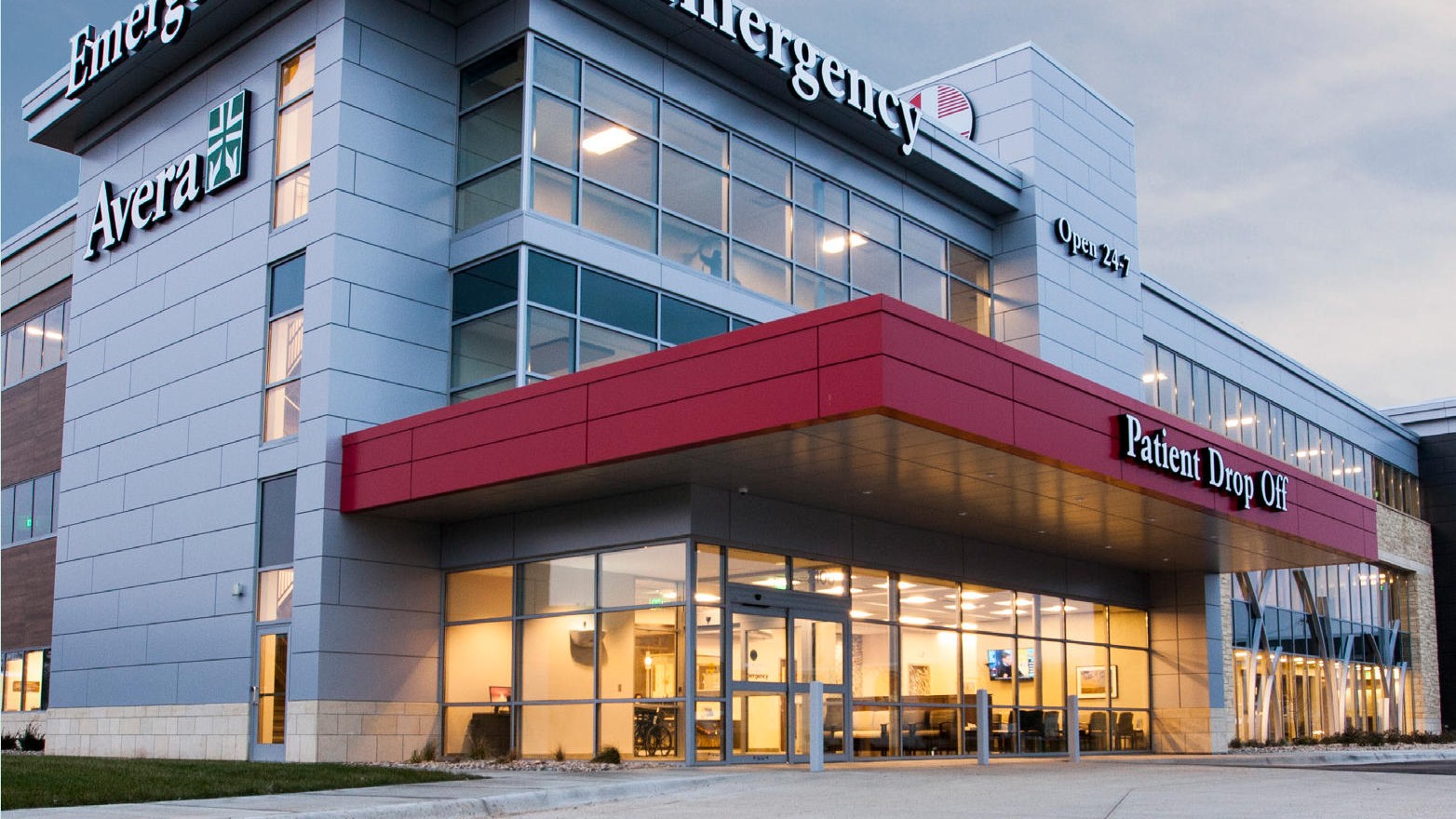
|
Avera Medical Group Family Health Center Sioux Falls |
2100 South Marion Road, Sioux Falls, SD 57106 Avera Medical Group Family Health Center Sioux Falls is part of a regional health system offering addiction treatment and behavioral health services in Sioux Falls, South Dakota. The program supports men and women of all ages who are managing chemical addiction, mood disorders and anxiety, depression and other co-occurring mental health concerns. Backed by Avera's faith rooted and whole person… |
|||
|
Bartels Counseling Services |
7520 S Grand Arbor Ct., Ste 145, Sioux Falls, SD 5710 Bartels Counseling Services is an outpatient addiction treatment and counseling practice in Sioux Falls, South Dakota offering substance use care alongside broader mental health support. Bartels blends evidence based addiction counseling with trauma informed and family focused therapy to support lasting recovery and emotional well being. Outpatient Addiction Treatment Programs Care typically begins with a screening or assessment to determine… |
|||
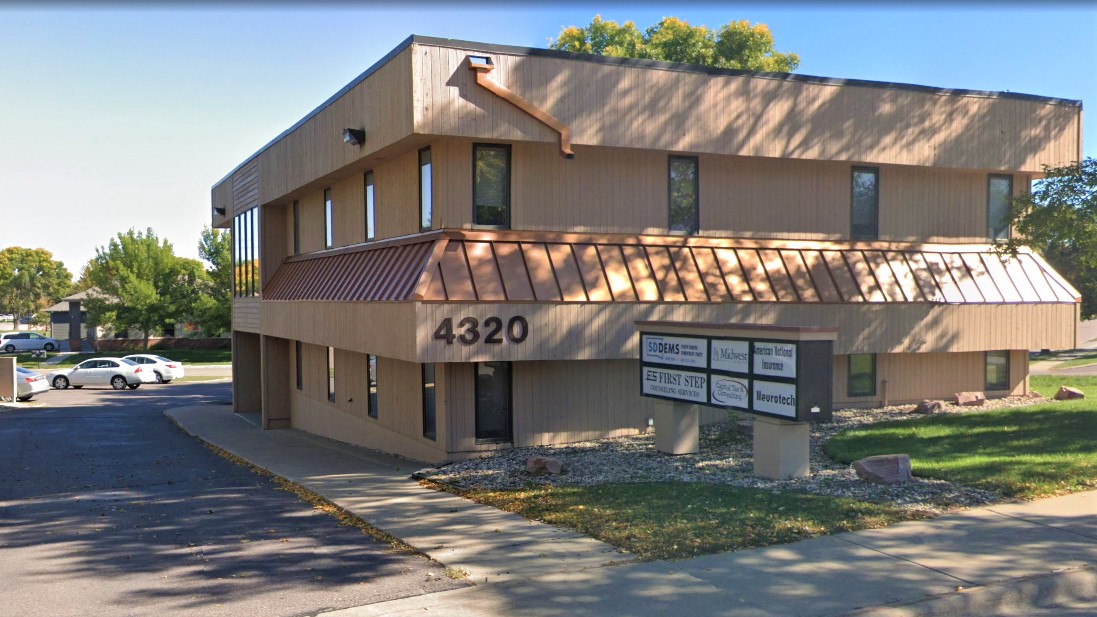
|
First Step Counseling Services |
4320 South Louise Avenue Suite 200, Sioux Falls, SD 57106 First Step Counseling Services in Sioux Falls, South Dakota is a locally owned outpatient addiction treatment provider serving the community since 1983. The practice offers diagnostic evaluations, individualized counseling, intervention and education programs, outpatient drug and alcohol treatment and aftercare. Their philosophy treats addiction as a health issue rather than a moral failing, with programming grounded in 12 step principles.… |
|||
|
Keystone Outpatient Facility |
3800 South Kiwanis Avenue, Sioux Falls, SD 57105 Keystone Outpatient Facility offers intensive outpatient addiction treatment in Sioux Falls, South Dakota serving adults age 18 and older who need structured care while living at home. As part of Keystone Treatment Center's broader South Dakota continuum, this location centers its work on flexible IOP and outpatient services for direct entry clients and those stepping down from higher levels of… |
|||
|
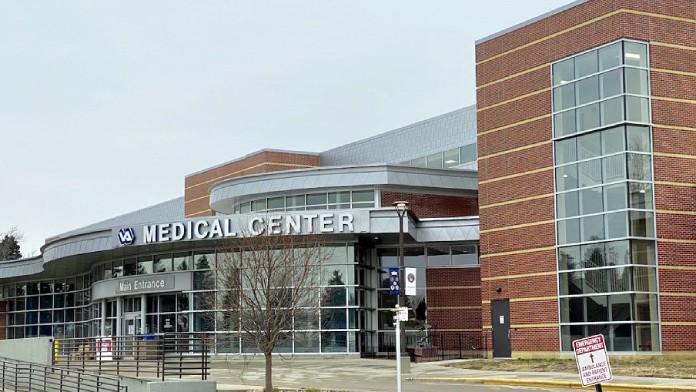
Sioux Falls VA Health Care System VAMC |
2501 West 22nd Street, Sioux Falls, SD 57105 The Sioux Falls VA Health Care System VAMC is a VA medical center and outpatient addiction treatment program in Sioux Falls, South Dakota that serves veterans with substance use and dual mental health conditions. They provide outpatient detox and intensive outpatient care. They also offer methadone and buprenorphine treatment and counseling for issues ranging from PTSD to depression with telehealth… |
|||
|
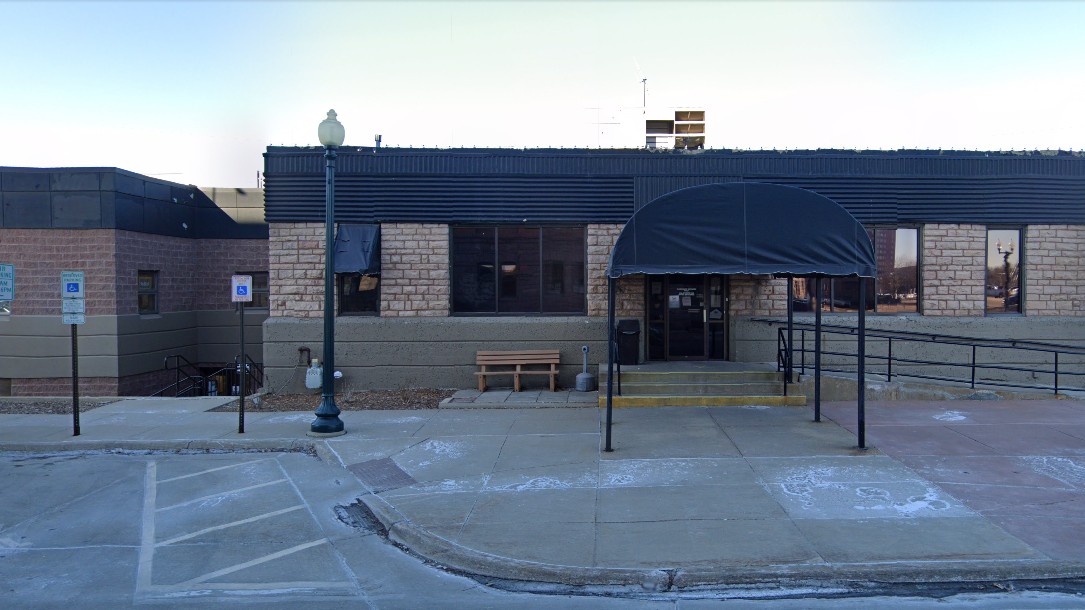
Southeastern Behavioral Healthcare Community Support Services |
100 West 5th Street, Sioux Falls, SD 57104 Southeastern Behavioral Healthcare Community Support Services is an outpatient rehab in Sioux Falls, South Dakota. CSS serves adults with a severe mental illness. It’s among the 11 community mental health centers South Dakota has. Staff help with drug or alcohol addiction, and care here covers mild to moderate emotional disorders and more com |
|||
|
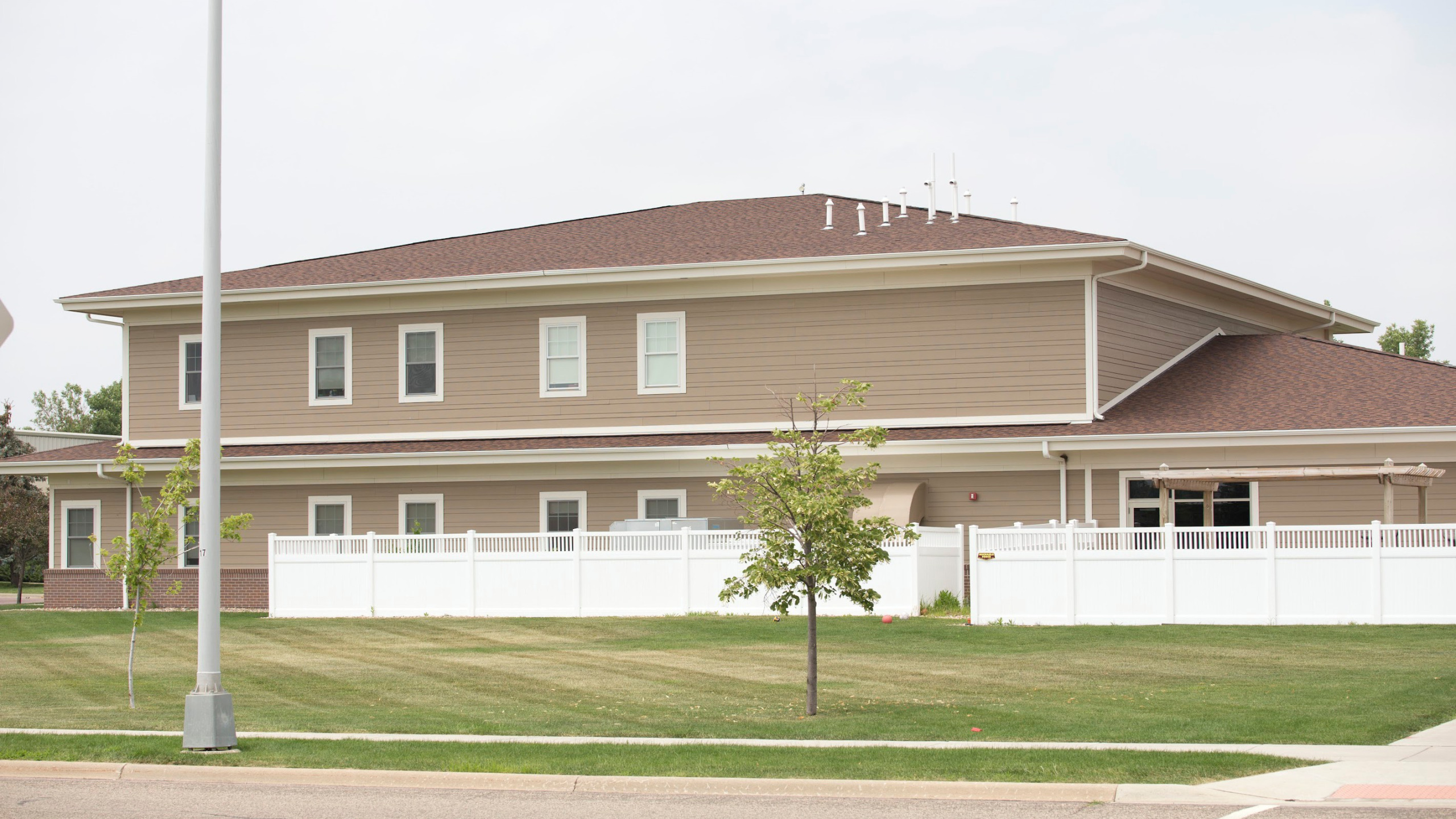
Volunteers of America Dakotas Sioux Falls |
1310 West 51st Street, Sioux Falls, SD 57105 Volunteers of America in Sioux Falls offers substance use evaluations, treatment and aftercare for adolescents and adults in South Dakota. The facility delivers a continuum of care alongside counseling for substance use and co-occurring concerns. Rooted in a larger human-services mission, the program connects clients to wraparound support that addresses recovery, stability and family well-being together. Family-Centered Recovery Through the… |
|||
|
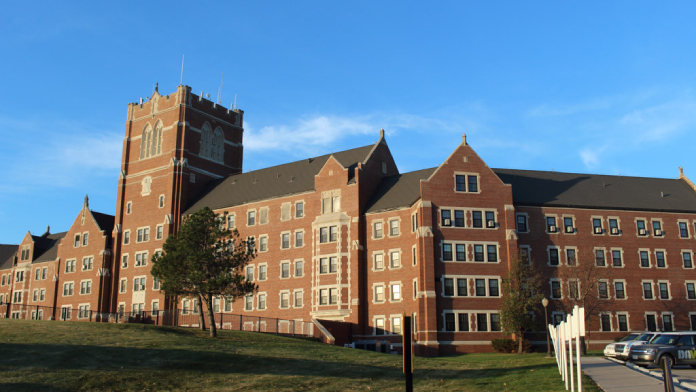
VA Medical Center - Sioux Falls |
2501 W 22nd St, Sioux Falls, SD 57105 The VA Medical Center in Sioux Falls, South Dakota is a Veteran focused addiction treatment and mental health provider within the VA Sioux Falls Health Care System. The facility provides integrated, evidence based care tailored to Veterans, their families and caregivers. Treatment emphasizes cooccurring mental health support, trauma informed counseling and MAT. Buprenorphine, Naltrexone and Acamprosate Care often begins with… |
|||
|
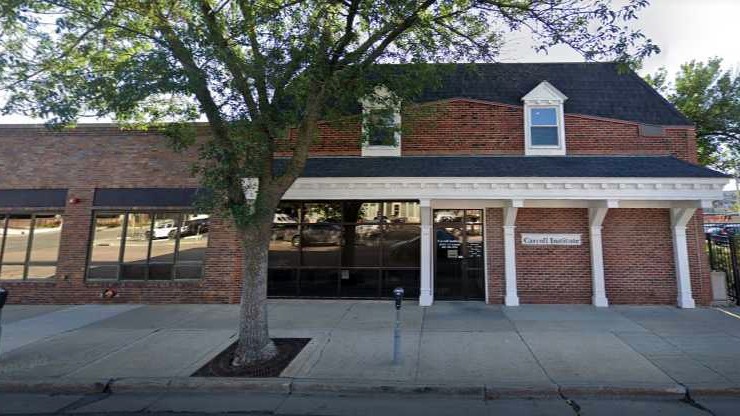
Carroll Institute |
310 South 1st Avenue, Sioux Falls, SD 57104 Carroll Institute in Sioux Falls, South Dakota provides substance use treatment, mental health counseling and prevention services. The organization serves children, adolescents, adults, couples, families and first responders, with specialized care for co-occurring disorders and justice-involved clients. With focused community experience, Carroll Institute provides a full continuum of care designed to meet people wherever they are in their recovery journey.… |
|||
|
|
Counseling Resources |
4109 South Carnegie CIrcle, Sioux Falls, SD 57106 Counseling Resources is a Sioux Falls outpatient counseling practice offering therapy for substance use, mental health and relationship concerns across South Dakota. The team provides numerous methods to support clients with addiction, co-occurring disorders and DUI/DWI-related needs. S The practice focuses on personalized care in a supportive, confidential and non-judgmental environment. Outpatient Addiction Counseling Counseling Resources provides outpatient substance use… |
|||
|
|
Prairie View Prevention Services |
822 E 41st St, Sioux Falls, SD 57105 Prairie View Prevention Services is an outpatient substance use treatment provider in Sioux Falls, South Dakota, focused on prevention, counseling and early intervention for individuals and families affected by alcohol and drug use. With a strong emphasis on adolescents, students and young adults, the program blends evidence based therapies with community and school connected support. What Kinds of Addiction Treatment… |
|||
|
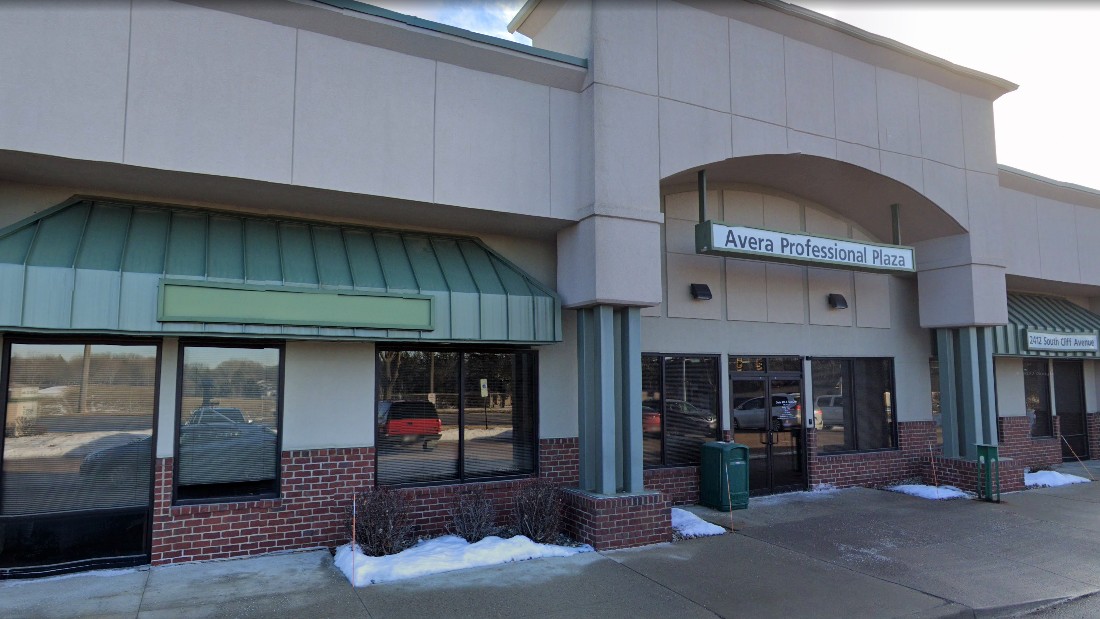
Avera Medical Group Behavioral Health Clinic South Cliff Avenue |
2412 South Cliff Avenue Suite 200, Professional Plaza, Sioux Falls, SD 57105 Avera Medical Group Behavioral Health Clinic South Cliff Avenue is a rehab located in Sioux Falls, South Dakota. Avera Medical Group Behavioral Health Clinic South Cliff Avenue specializes in the treatment of addiction. |
|||
|
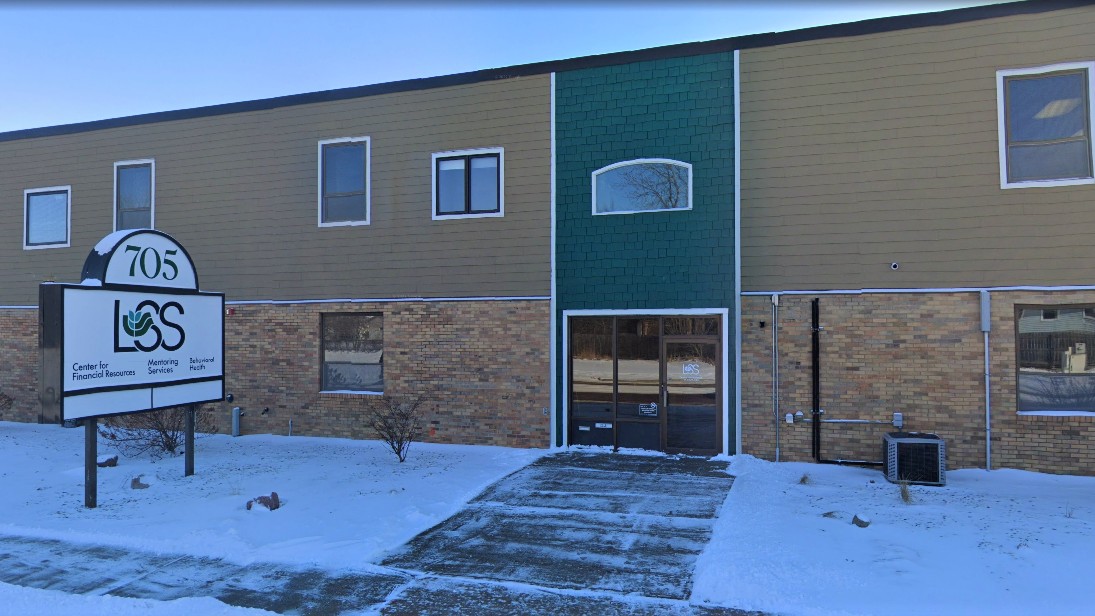
Lutheran Social Services of South Dakota |
705 East 41st Street Suite 200, Sioux Falls, SD 57105 Lutheran Social Services of South Dakota is a rehab located in Sioux Falls, South Dakota. Lutheran Social Services of South Dakota specializes in the treatment of addiction. |
|||
|
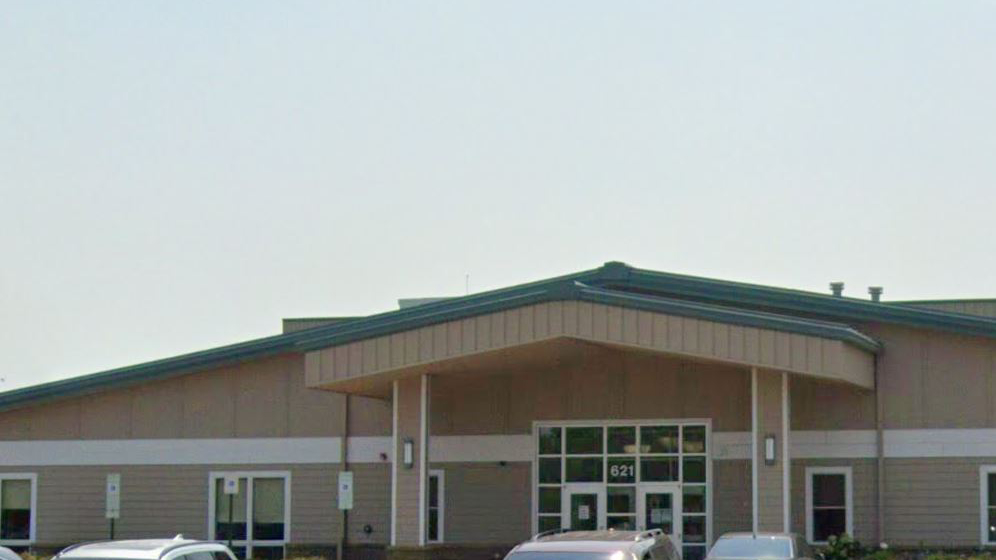
Arise Youth Center |
621 East Presentation Street, Sioux Falls, SD 57104 Arise Youth Center is a rehab located in Sioux Falls, South Dakota. Arise Youth Center specializes in the treatment of addiction. |
|||
|
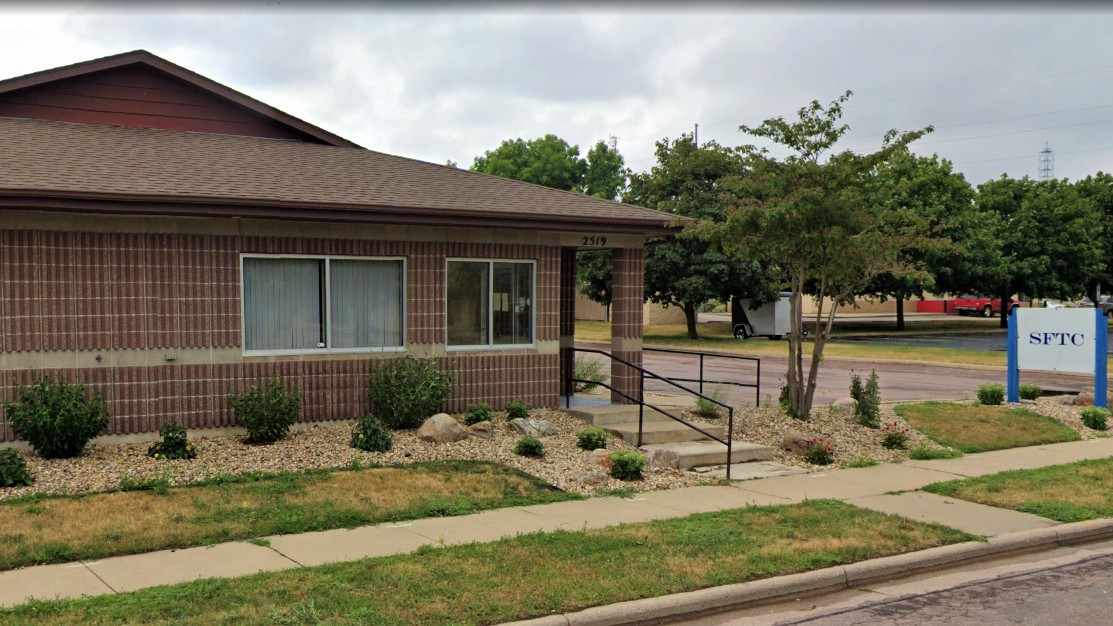
Sioux Falls Treatment Center |
2519 West 8th Street, Sioux Falls, SD 57104 Sioux Falls Treatment Center is a rehab located in Sioux Falls, South Dakota. Sioux Falls Treatment Center specializes in the treatment of addiction. |
|||
|
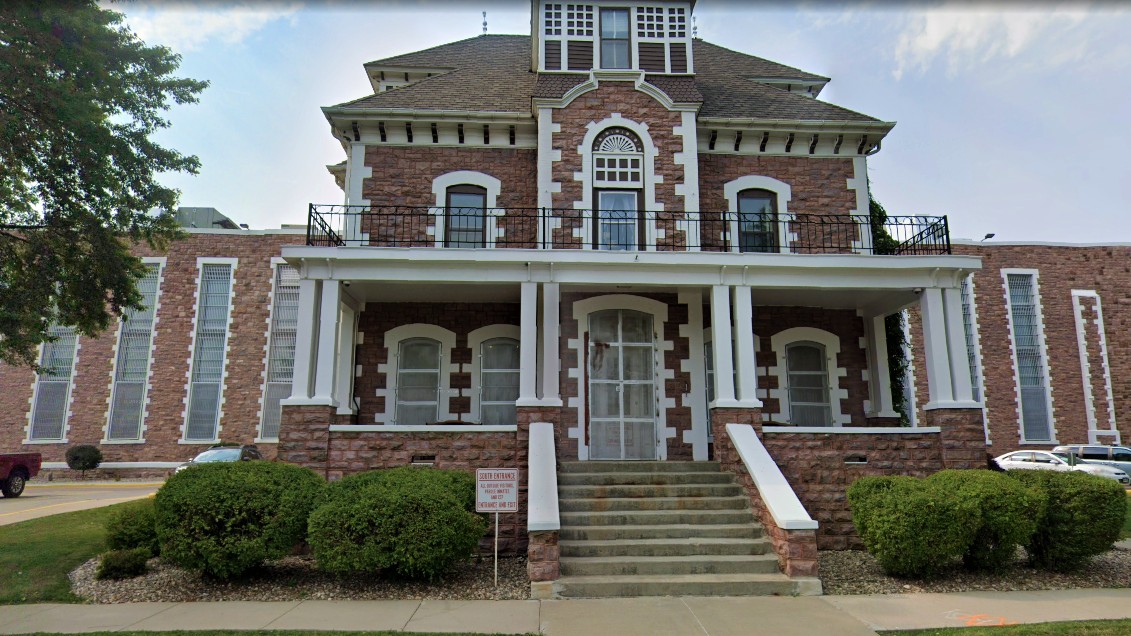
South Dakota State Penitentiary |
1600 North Drive, Sioux Falls, SD 57104 South Dakota State Penitentiary is a rehab located in Sioux Falls, South Dakota. South Dakota State Penitentiary specializes in the treatment of addiction. |
|||
|
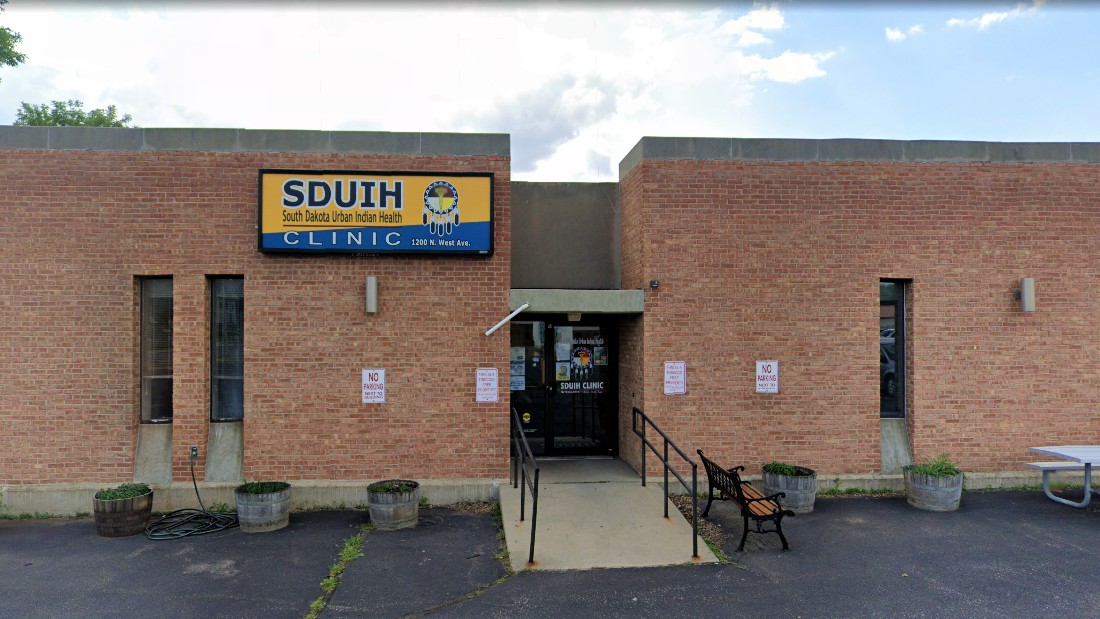
South Dakota Urban Indian Health Sioux Falls |
1200 North West Avenue, Sioux Falls, SD 57104 South Dakota Urban Indian Health Sioux Falls is a rehab located in Sioux Falls, South Dakota. South Dakota Urban Indian Health Sioux Falls specializes in the treatment of addiction. |
|||
No centers match all of these filters.
View more listings near Sioux Falls or search by the letter of cities in South Dakota.
Expert insight
“It is common sense to allow these fentanyl test strips: it will save lives and free up law enforcement to tackle other crimes.”
While many people hold the belief that people should just abstain from drugs, that isn’t the reality. People do use drugs and addiction is a social problem that isn’t going away, in my opinion. I think we need more harm-reduction approaches to save lives.
That’s why I was pleased to hear that Sioux Falls has declassified fentanyl test strips as drug paraphernalia. Given that fentanyl has infiltrated the illicit drug supply, many people taking drugs are unknowingly consuming fentanyl and dying at a rate of over 100 people a year, just in South Dakota.
Frequently asked questions
Our directory is built to help you compare rehab options in Sioux Falls with confidence, not to sell you a spot at any one facility. Listings reflect verified program data such as levels of care offered, accreditation status, accepted payment types and the specialty populations a center serves.
We prioritize facilities that hold recognized accreditation from the Joint Commission or CARF, maintain active state licensure and provide transparent information about their services.
We do not accept payment in exchange for higher placement, and a center's position in the list is not a measure of clinical quality or a guarantee of outcomes. Details can change, so we encourage you to confirm current availability, licensing and insurance acceptance directly with any provider before making a decision.
Every family's situation is different, and the right program is the one that matches your loved one's clinical needs, budget and personal circumstances.
Sioux Falls is the largest city in South Dakota and the seat of Minnehaha County. It functions as the regional hub for addiction and behavioral health care across the southeastern part of the state and neighboring rural counties.
Our directory lists 27 treatment facilities in and around the city, spanning medical detox, residential rehab and outpatient care. Because Sioux Falls draws people seeking help from a wide surrounding area, it holds a larger concentration of programs than the region's population alone would suggest.
This concentration of programs gives families more options when comparing addiction treatment options. You can also browse the full statewide listings on our South Dakota rehab directory.
The local treatment landscape is anchored by several long-standing providers. Southeastern Directions for Life, a nonprofit serving Lincoln, McCook, Minnehaha and Turner counties since 1952, is one of the region's designated community behavioral health centers and reports serving more than 5,000 people annually.
Volunteers of America, Dakotas operates residential and outpatient substance use programs in the city, including its New Start program for pregnant and parenting women with co-occurring disorders.
For opioid use disorder specifically, BAART Programs provides medication-assisted treatment and counseling. The state's Human Services Center in Sioux Falls rounds out the local safety net for people with serious or co-occurring conditions.
Substance use in the Sioux Falls area reflects a shift that local officials have flagged as a growing concern. In 2026, the Minnehaha County coroner reported that drug overdoses had become the leading cause of accidental death in the county, surpassing gunshot-related deaths.
Methamphetamine and fentanyl are the substances most often identified in fatal overdoses, a pattern that mirrors statewide data. Families researching help for a loved one may find it useful to understand fentanyl addiction and overdose risk and how it shapes treatment decisions.
One notable local initiative is Emily's Hope, a Sioux Falls-based nonprofit founded by Angela Kennecke after her daughter died of a fentanyl overdose in 2018. In partnership with the state, the organization has distributed thousands of naloxone kits, primarily in the Sioux Falls area, and helped launch a statewide effort to place overdose-reversal kits in public spaces.
This kind of community harm-reduction infrastructure sits alongside the clinical treatment options in the directory below.
The cost of addiction treatment in Sioux Falls depends far more on the level of care, program length and your insurance coverage than on the city itself. Medical detox and residential inpatient stays are the most expensive because they involve 24-hour clinical supervision, while outpatient programs and medication-assisted treatment cost substantially less per week.
Because South Dakota's cost of living sits near the national midpoint, treatment prices in Sioux Falls tend to fall in line with typical figures for the region rather than commanding the premiums seen in high-cost coastal metros. Rather than quote a single price, it helps to think in ranges tied to the intensity of care.
The most important variable for most families is insurance. Verifying your benefits before you commit to a program is the single most effective way to understand what you will actually pay out of pocket, and many facilities will run that check for you at no cost. If you are uninsured or underinsured, sliding-scale fees, state-funded slots, and scholarships can close much of the gap.
Understanding how insurance for rehab works, and how the cost of residential treatment compares to intensive outpatient programs, will help you narrow the Sioux Falls options that fit your budget.
Across the 27 facilities in the Sioux Falls area, the most commonly accepted forms of payment are self-payment, private insurance and public coverage through Medicaid and Medicare.
Most centers accept more than one payment type, and many offer financial assistance or sliding-scale pricing to help bridge affordability gaps. The cards below show how many local facilities accept each payment method.
Choosing the right payment path usually comes down to what coverage you already have and what each facility accepts. The sections below break down the most common options for Sioux Falls residents.
Ten facilities in the Sioux Falls area accept Medicare, which covers medically necessary addiction treatment for eligible adults 65 and older and for some younger people with qualifying disabilities.
Coverage generally includes inpatient care, outpatient services and certain medications used in treatment, though specifics depend on your plan and whether you have Part A, Part B, or a Medicare Advantage plan. It is worth calling a facility directly to confirm what your specific plan includes before you enroll.
Seventeen area facilities accept South Dakota Medicaid, known formally as the South Dakota Medical Assistance Program. Following the state's Medicaid expansion, which took effect in July 2023, adults ages 19 to 64 with household incomes up to 138 percent of the federal poverty level may now qualify, significantly widening access to covered substance use treatment.
Medicaid in South Dakota covers screenings and assessments, outpatient and inpatient treatment and medication-assisted treatment for opioid and alcohol use disorders. If you think you may be newly eligible, it is worth applying before assuming treatment is out of reach.
Ten Sioux Falls-area facilities accept TRICARE, the health program for active-duty service members, veterans' families and retirees. Veterans in the region also have access to VA-administered care and specialized resources. Our guide to rehab resources for veterans and military covers benefits, eligibility, and how to connect with VA services.
Twenty local facilities accept private health insurance and 25 accept self-payment, making these the two most widely accepted options in the market.
If you are paying out of pocket, ask each facility about payment plans and total program cost up front, since figures vary with length of stay and level of care. If you have private coverage, confirm which local centers are in your network to keep costs down.
Five area facilities offer sliding-scale fees that adjust the price based on income, and 13 report offering some form of financial assistance. Five also offer financing arrangements. For people who cannot cover treatment through insurance or cash, these options can make an otherwise unaffordable program workable.
At least one facility in the area offers free treatment, and additional no-cost or reduced-cost help is available through state-funded and nonprofit programs.
Rehab scholarships are another route worth exploring, and the South Dakota Division of Behavioral Health contracts with accredited providers statewide to deliver services with financial assistance for those who qualify. Major insurance carriers accepted across South Dakota facilities include:
The Sioux Falls area offers a full continuum of addiction care, from medically supervised detox through long-term outpatient support. Local facility counts include 7 detox programs, 13 inpatient rehab programs and 23 standard outpatient clinics, giving families options at every stage of recovery. The cards below show how many facilities offer each level of care.
Medical detox is often the first step for people with physical dependence on alcohol, opioids or benzodiazepines. Supervised medical detox manages withdrawal safely and prepares the body for ongoing treatment. Detox alone is not a complete course of care, but it is a critical stabilizing phase before rehab.
Inpatient and residential rehab provides 24-hour structure and clinical support, which suits people with severe use disorders, unstable home environments,or prior unsuccessful attempts at recovery. Residential treatment typically runs 30 to 90 days and combines individual therapy, group work and relapse-prevention planning.
Outpatient and intensive outpatient programs let people live at home while attending scheduled treatment sessions. Outpatient rehab ranges from a few hours a week to near-daily intensive schedules, making it a flexible fit for people with work, school or caregiving responsibilities. Partial hospitalization sits between residential and standard outpatient care for those who need more support than weekly sessions provide.
Dual diagnosis care addresses substance use alongside co-occurring conditions such as depression or anxiety, which is common among people entering treatment. Sixteen local facilities offer integrated programs that treat both conditions together rather than in isolation.
Sober living and aftercare support the transition back to daily life. Sober living homes and structured continuing care reduce relapse risk during the vulnerable months after formal treatment ends.
Many Sioux Falls-area facilities tailor care to specific populations and substance types. Program availability is strongest for young adults, alcohol and opioid treatment and gender-specific care, reflecting both regional demand and the substances most present in local overdose data. The cards below show how many facilities offer each specialty focus.
Alcohol remains the most widely treated substance locally, and 23 facilities offer programs geared toward alcohol use disorder. Given the rise in fentanyl and methamphetamine deaths in Minnehaha County, the 15 facilities focused on opioid use disorder are an important part of the local response.
For younger residents, programs addressing young adult and college student substance use are the most common specialty offering in the area. Families should also note the 4 programs offering LGBTQ+ affirming addiction care and the 4 offering dedicated support for veterans and military families.
For people who cannot afford private treatment or need immediate help, Sioux Falls and the surrounding area offer crisis lines, community programs, harm-reduction supplies and government-funded services.
The resources below are free or low-cost and serve Minnehaha County residents. If you or someone you know is in immediate danger, call or text 988 for the Suicide and Crisis Lifeline, which connects South Dakotans to trained local counselors at the Helpline Center.
You can also find broader crisis support and suicide prevention resources through our national guide.
Minnehaha County, home to Sioux Falls, has seen drug overdoses become the leading cause of accidental death, according to the county coroner's 2026 report to county commissioners.
While South Dakota's overall overdose death rate remains below national averages, methamphetamine and fentanyl now drive the majority of the state's fatal opioid and stimulant overdoses. The figures below place the local picture in context.
The share of deaths with a bystander present underscores why local naloxone distribution matters. Statewide, roughly 12 percent more overdose deaths occurred in 2024 than in 2023, a reminder that even areas with below-average rates are seeing the effects of the fentanyl supply. For how these local figures compare with the broader picture, see our overview of national substance use statistics.

Medical reviewer
Sendra Yang, PharmD, MBA
Sendra Yang received her Doctor of Pharmacy and Master of Business Administration degrees from Wingate University School of Pharmacy. She has experience in the pharmaceutical industry, pharmacy education, and clinical practice. She has also been a medical writer, editor, and…
Read bio
Author
Olivia Pennelle
Located in Portland, OR, Olivia Pennelle (Liv) is an author, journalist & content strategist. She's the founder of Liv’s Recovery Kitchen, a popular site dedicated to providing the ingredients for a fulfilling life in recovery. Liv also co-founded the podcast…
Read bio