





About Santa Monica Salvation Army Adult Rehabilitation Center
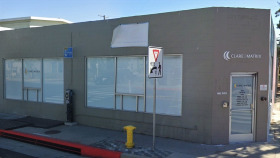
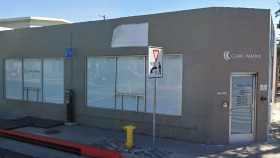
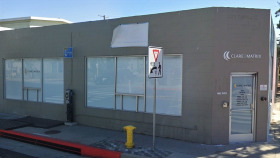
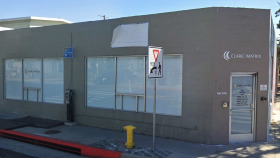
The Santa Monica Salvation Army Adult Rehabilitation Center in Santa Monica, California is a residential addiction treatment center for adults struggling with alcohol and drug addictions.
This holistic program offers residential work therapy, group and individual counseling, spiritual guidance and support with life skills development. You'll also find basic resources like food and housing. Clients appreciate the structure, the chance to heal emotionally and spiritually and the fact that the program helps when there are few other options.
Long-Term Residential Recovery
This center provides long-term residential recovery. This means that participants live on site for an extended period while they work their way back to self-sufficiency. Services include work therapy, where participants take on meaningful work assignments, group and individual counseling, spiritual direction and life skills training integrated into the daily routine.
They serve adults who are struggling with substance abuse disorders from alcohol or drugs. Those facing instability (such as housing loss or related social challenges) who want to rebuild both functionality and wellbeing through a structured, supportive environment are especially well suited.
Holistic Treatment Methods
The center follows a holistic approach. This means it treats the whole person including their physical, emotional, and spiritual needs. Key features are the work therapy model where clients earn through task assignments, mandatory counseling, spiritual care and a focus on practical life skills and daily structure.
Covering the Cost of Care
The program is generally offered at no cost to participants and insurance is not required. Funding comes through donations—especially from Salvation Army thrift store operations. This makes this option accessible to those without insurance or with limited financial means.
To begin, you’ll go through an intake process during the center’s intake hours. Prospective clients typically speak with staff to assess their needs, learn about the program and determine eligibility for the residential work-therapy recovery model.