





Expert Insights
There are a lot of things you can look at to learn about a city. Did you know one of those things is the city’s wastewater?
A 2022 study revealed that Shreveport’s wastewater has twice as much meth in it than anywhere else in the country. Wow. Not just a little bit more, but double the amount. Clearly, methamphetamine use is an issue in this city – probably more than most people realize.
Shreveport social services, lawmakers, and influencers need to turn their attention to this issue and pour resources into solutions. With double the amount of meth, we need double the efforts to solve the problem.
How We Rank Listings
Our listings are built to help you compare rehab centers in Shreveport on the factors that matter most when choosing care: level of care, treatment specialties, payment and insurance options, and accreditation. We prioritize facilities that hold independent accreditation from the Joint Commission or CARF, maintain active state licensing, and provide clear, verifiable information about the services they offer.
We do not accept payment in exchange for a higher position in our results. Facilities are organized to surface complete, accurate, and useful information first, so you can weigh your options side by side.
Listings are reviewed and updated regularly, but details like bed availability, accepted insurance plans, and program offerings can change. We recommend calling any facility directly to confirm current details before making a decision.
Rehab in Shreveport: What to Know
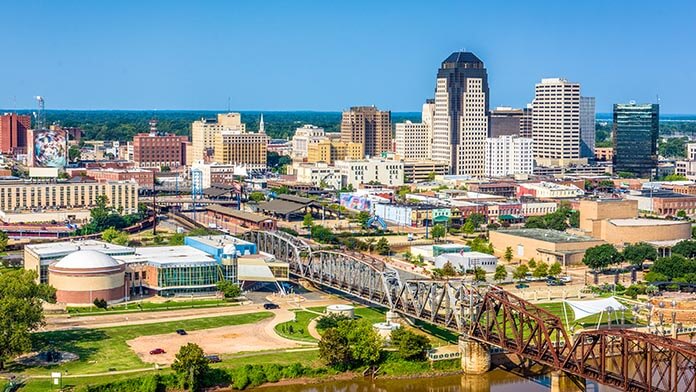
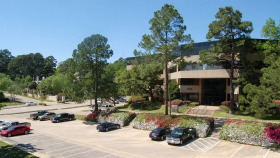
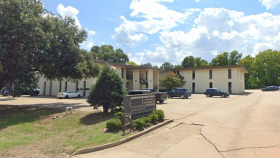
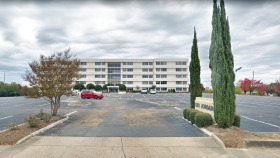
Shreveport is the seat of Caddo Parish and the anchor of the Ark-La-Tex region in northwest Louisiana, with a parish population of roughly 252,000. There are 26 rehab facilities in and around the city, spanning medical detox, residential inpatient care, and outpatient services.
Many local programs also treat co-occurring mental health conditions, reflecting how often substance use and conditions like depression or anxiety appear together. You can compare additional programs across the state through the Louisiana rehab directory.
Behavioral health in the region is coordinated in large part by the Northwest Louisiana Human Services District, the state Local Governmental Entity that manages publicly funded mental health and addiction services for Caddo and eight surrounding parishes.
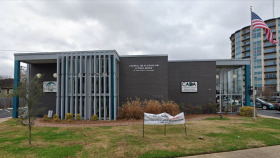
Longstanding local providers include the Council on Alcoholism and Drug Abuse of Northwest Louisiana (CADA), a CARF-accredited nonprofit offering residential and outpatient care with dedicated tracks for pregnant women and mothers with children,
Hospital-affiliated programs at Ochsner LSU Health Shreveport and Willis-Knighton round out the available treatment options. Together these organizations give the city a mix of nonprofit, public, and hospital-based addiction treatment options.
Two overlapping trends shape the substance use picture in Shreveport. Opioids, increasingly driven by fentanyl, remain a serious concern. Caddo Parish recorded about 70 opioid-involved deaths between 2019 and 2023, part of a statewide total of 1,083 opioid-involved deaths in 2023 alone.
At the same time, providers and harm reduction workers in the area report that methamphetamine is among the most common substances they encounter, a pattern that distinguishes northwest Louisiana from parts of the state where opioids dominate.
Anyone weighing options for opioid use disorder should ask prospective programs about medication-assisted treatment specifically.
Caddo Parish received more than $3.6 million in opioid litigation settlement funds through late 2024, money the parish and its partners are directing toward prevention and response efforts.
For families, the practical takeaway is that both public and nonprofit help exists locally, and that the first step is usually a screening or assessment to match a person with the right level of care.
Cost of Rehab in Shreveport
The cost of rehab in Shreveport depends on the level of care, program length, and whether treatment is covered by insurance. Because facility-level pricing in the city is not published in a standardized way, the most reliable reference point is the statewide average for Louisiana.
These figures reflect the full cost of care before insurance, Medicaid, or financial assistance is applied, and most people pay far less than the sticker price once coverage is factored in.
Shreveport sits in a lower-cost region of the state than metro New Orleans, so local out-of-pocket costs are often at or below these statewide averages. The single biggest factor in what a person actually pays is insurance.
Verifying your benefits before admission is the most effective way to control costs. Many local programs will check coverage for you at no charge. Learn more about using insurance for rehab before you commit to a program.




How to Pay for Rehab in Shreveport
Of the 26 facilities in the Shreveport area, most accept some combination of self-payment, private insurance, and public coverage. Nineteen accept self-pay or cash, 18 accept private health insurance, and several programs accept public programs like Medicaid and Medicare.
A handful of programs also offer sliding-scale fees, financing, or financial assistance for those who qualify.



The right payment path depends on your coverage and financial situation. The sections below break down the most common options available to Shreveport residents.
Medicare
Medicare covers addiction treatment for eligible adults, generally those 65 and older or those with qualifying disabilities. Medicare Part A helps cover inpatient hospital-based detox and residential care, while Part B covers outpatient services such as counseling and evaluations.
Four facilities in the Shreveport area accept Medicare. If you or a loved one is enrolled, it is worth confirming which specific services a program bills to Medicare before admission. Our guide to how Medicare covers addiction treatment walks through what to expect.
Medicaid
Louisiana’s Medicaid program, Healthy Louisiana, covers substance use disorder treatment including detox, inpatient and outpatient care, and medication-assisted treatment. Eight Shreveport-area facilities accept Medicaid, and the Northwest Louisiana Human Services District accepts Medicaid at its public behavioral health clinic regardless of a person’s ability to pay.
For opioid use disorder, Healthy Louisiana coverage of medication-assisted treatment can make ongoing medications like buprenorphine or methadone affordable.
Military Benefits
TRICARE covers addiction treatment for active-duty service members, retirees, and their families, and five facilities in the area accept it. Barksdale Air Force Base in nearby Bossier City makes military-connected care especially relevant in the Shreveport region.
Veterans may also access care through the VA in addition to community programs. See our rehab resources for veterans and military for coverage and eligibility details.
Insurance and Private Pay
Private insurance is the most widely accepted form of payment locally, with 18 facilities in network with one or more carriers. Under federal parity rules, most plans cover substance use treatment comparably to other medical care, though coverage levels, copays, and prior-authorization requirements vary by plan.
Self-payment is also common, accepted at 19 facilities, and some programs offer financing to spread the cost of care over time. Major carriers active in the Shreveport market include:
- Aetna
- Blue Cross Blue Shield of Louisiana
- Cigna
- Healthy Louisiana
- Humana
- Louisiana Healthcare Connections
- UnitedHealthcare
- Vantage Health Plan
Free and Low-Cost Treatment
For people without insurance or the means to self-pay, options still exist. One area facility offers free treatment, and several others provide sliding-scale fees or financial assistance based on income.
The Northwest Louisiana Human Services District accepts all patients regardless of their ability to pay, using a sliding fee schedule. Some residents may also qualify for help through rehab scholarships or nonprofit-funded programs.
Levels of Care Available in Shreveport
Shreveport offers a full continuum of care, from medically supervised detox through residential inpatient treatment and outpatient services. Local facilities include 13 detox programs, 17 inpatient programs, 21 outpatient clinics, and 11 that treat co-occurring disorders.

Medical detox is often the first step for people who are physically dependent on alcohol, opioids, or benzodiazepines. Supervised medical detox manages withdrawal safely and prepares a person for ongoing treatment. Detox alone is not a complete treatment; it works best as an entry point into further care.
Inpatient and residential programs provide 24-hour structured care, typically over 28 to 90 days. Residential treatment is well suited to people with severe substance use disorders or unstable home environments, offering a stable setting removed from everyday triggers.
Outpatient care, including intensive outpatient programs, lets people live at home while attending scheduled treatment. Outpatient rehab ranges from several sessions a week to weekly check-ins, making it a common step-down from residential care or an option for those with work and family obligations.
Dual diagnosis programs treat substance use and mental health conditions together. Because conditions like co-occurring depression frequently accompany addiction, integrated treatment tends to produce more durable results than addressing either condition alone.
For people leaving a residential program, rehab aftercare such as sober living or continuing outpatient support helps protect early recovery. Several local programs also offer medication-assisted treatment for opioid and alcohol use disorders.
Specialty Programs in Shreveport
Beyond standard levels of care, many Shreveport-area facilities offer programs tailored to specific populations or substances.
These specialized tracks address the distinct needs of groups like women, veterans, and young adults, as well as the two substances most reflected in local treatment demand: alcohol and opioids.






Seventeen local programs focus on alcohol use disorder, the most commonly treated substance in the area, and seven offer dedicated care for opioid use disorder.
Four programs serve veterans and military families, a meaningful option given the Barksdale Air Force Base community nearby; see our rehab resources for veterans and military.
Three programs describe themselves as LGBTQ+ affirming, and 12 offer young adult tracks that address young adult and college student substance use. Women’s programs, including CADA’s tracks for pregnant women and mothers with dependent children, are available at eight facilities.
Free and Low-Cost Rehab Resources in Shreveport
Cost should not be the reason someone in Shreveport goes without help. A network of public agencies, nonprofits, and harm reduction programs offers free or low-cost support, from crisis lines to publicly funded treatment. The resources below are organized by the kind of help they provide.
Crisis and Helplines
- 988 Suicide and Crisis Lifeline
https://988lifeline.org/
Free, 24/7 support during a mental health or substance use crisis. Connects to trained counselors and, when needed, local crisis support resources. - SAMHSA National Helpline
https://www.samhsa.gov/find-help/helplines/national-helpline
Free, confidential, 24/7 treatment referral and information service in English and Spanish. - Louisiana 211
https://www.louisiana211.org/
Reach a statewide information line that connects callers to local health, treatment, housing, and social services. - CADA 24/7 Crisis Line and Mobile Response Team
https://www.cadacanhelp.org/get-help
Provides confidential screening around the clock and dispatches a mobile team to people experiencing a mental health or substance use crisis in the Shreveport area.
Public Behavioral Health
- Northwest Louisiana Human Services District
https://nlhsd.org/
The state Local Governmental Entity for the region, offering outpatient and intensive outpatient treatment, medication-assisted treatment, and peer support. Accepts Medicaid, Medicare, most insurance, and self-pay on a sliding scale, and accepts all patients regardless of ability to pay. - Council on Alcoholism and Drug Abuse of Northwest Louisiana (CADA)
https://www.cadanwla.org/
CARF-accredited nonprofit providing residential and outpatient treatment, with programs for pregnant women and mothers with dependent children.
Harm Reduction
- The Philadelphia Center Syringe Service Program
https://philadelphiacenter.org/syringe-service-program
Free harm reduction services including sterile syringes, naloxone (Narcan), fentanyl test strips, wound care, safe disposal, and HIV and hepatitis C testing for Caddo Parish residents. - Louisiana Overdose Prevention and Response Hub
https://louisianahealthhub.org/oprh/
Provides free naloxone and fentanyl test strips through approved distribution sites across the state. Find the nearest site at louisianahealthhub.org.
Government and Coverage
- Healthy Louisiana (Medicaid)
https://ldh.la.gov/healthy-louisiana
Louisiana’s Medicaid program covers substance use treatment for eligible residents. Enrollment and plan information is available at healthy.la.gov.
Drug and Alcohol Use Statistics in Shreveport
Substance use in Caddo Parish reflects both the national opioid crisis and a regional methamphetamine problem that local providers describe as widespread. The figures below draw on parish, state, and federal data to sketch the local picture.
Statewide, Louisiana has seen encouraging recent movement: drug overdose deaths fell about 30.8% from 2023 to 2024, the lowest count since 2020, with declines consistent across drug types and demographic groups, according to the Louisiana Opioid Surveillance Program (2025).
Even so, the state’s age-adjusted rate of roughly 36 drug-involved deaths per 100,000 residents in 2024 remained high, and 23 parishes exceeded that rate.
Fentanyl continues to drive the majority of opioid deaths regionally, which is why access to naloxone and fentanyl test strips is a public health priority in the Shreveport area.
For national context, see our overview of national substance use statistics.
Resources
- Louisiana Legislative Auditor, via The Center Square. (2025). Caddo, Bossier parishes receive millions from state opioid settlement funds. https://www.thecentersquare.com/louisiana/article_94ccea46-0a58-427e-943a-dcc77e945de2.html
- Louisiana Department of Health, Office of Public Health. (2025). Louisiana Opioid Surveillance Program, Surveillance Update for Opioid Abatement Task Force. https://ldh.la.gov/assets/OPH/Center-PHI/LaOTF_Surveillance_Update_Dec2025.pdf
- Caddo Parish Coroner’s Office. (2025). About. https://caddocoroner.com/
- Northwest Louisiana Human Services District. (2024). Behavioral Health Services. https://nlhsd.org/behavioral-health-services/
- Council on Alcoholism and Drug Abuse of Northwest Louisiana. (2026). Substance Abuse Services. https://www.cadanwla.org/
- The Philadelphia Center. (2026). Syringe Service Program. https://philadelphiacenter.org/syringe-service-program
- Louisiana Department of Health. (2025). Overdose Prevention and Response Hub. https://louisianahealthhub.org/oprh/
- Louisiana Illuminator. (2022). In Shreveport, meth addiction overshadows opioids. https://lailluminator.com/2022/08/29/in-shreveport-meth-addiction-overshadows-opioids/