
















How We Rank Listings
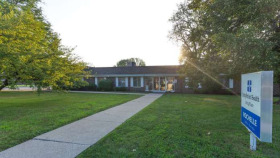
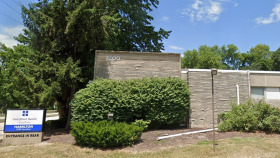
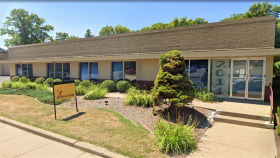
All facilities on this page are accredited treatment providers that serve the Peoria area. You’ll find that the listings are organized so that you can compare your options based on each listing’s specific services and the treatment options they provide.
Facilities are not ordered based on paid placement. Instead, we prioritize facilities that have accreditation and state licensure and offer clear information about the services they provide. We note if a program offers specialized tracks for financial assistance, so you can factor those details into your decision.
Any sponsored placements are noted.
We don’t provide clinical endorsement of any listing. We encourage you to verify any program’s current services and insurance options directly before enrolling in treatment.
Rehab in Peoria: What to Know
Peoria is the biggest city in central Illinois and is the county seat of Peoria County. This metro area is home to roughly 400,000 people along the Illinois River.
Our Illinois rehab directory currently shows 22 treatment facilities are available in and around Peoria. Many of these programs offer outpatient care, and a few offer medical detox or residential treatment.
You’ll find that two large systems are the main sources of behavioral health care in the area. OSF HealthCare is headquartered in Peoria, and UnityPoint Health’s Trillium Place division provides psychiatric and substance use care.
Community-based treatment in Peoria is largely provided by the Human Service Center, which is run by the nonprofit Fayette Companies. This center offers outpatient counseling, medication assisted treatment, and overdose education. You can also find sliding-scale clinics at Heartland Health Services.
If you’re considering various addiction treatment options, these community programs can be a good starting point if other services aren’t immediately available.
Alcohol and opioid use disorder account for most treatment admissions here. But Peoria has seen a recent dangerous shift toward polysubstance supply. In late 2023, Peoria County Coroner Jamie Harwood and the local harm reduction agency JOLT warned that a gray, rock-like combination of fentanyl, xylazine and benzodiazepines was tied to a cluster of overdose deaths in a single weekend.
JOLT now offers drug checking and free naloxone to residents. It reports that several people bring substances in for testing each day.
Cost of Rehab in Peoria
The price of addiction treatment varies widely. What you end up paying for treatment in Peoria is less about the program’s location in Illinois and more about the level of care and your insurance coverage. The best way to control your out of pocket costs is to verify your rehab benefits coverage before you enroll in a treatment program.
These costs are averages, and most people end up paying a small fraction of the highest numbers.
Several factors affect your final cost of treatment:





If you’re concerned that cost will be a barrier for you, keep in mind that many Peoria programs accept Medicaid or offer sliding-scale fees.
How to Pay for Rehab in Peoria
The 22 facilities that serve Peoria accept a mix of self-payment and insurance options. You’ll also find public ccoverage and financial assistance programs that can help cover costs. The information below shows you how many local facilities in our directory accept each payment type.





There are many ways to cover the cost of addiction treatment in Peoria. Here’s how the most common options work.
Medicare
Medicare is the federal health insurance program that covers adults 65 and older as well as some younger adults who qualify through a disability. If you have original Medicare you are typically responsible for a portion of approved costs. Medicare Advantage plans typically provide coverage through private insurers with their own networks.
Eight Peoria-area facilities in our directory accept Medicare. A good first step is to confirm which local programs are in network.
Medicaid
Illinois Medicaid is managed by the Department of Healthcare and Family Services, through HealthChoice Illinois. Medicaid coverage helps pay for substance use services such as outpatient care, treatment for opioid use disorder, and medication-assisted treatment. If you have Medicaid, these treatments may have little or no out-of-pocket costs.
Twelve facilities in the Peoria directory accept Medicaid. If you have this coverage, the Human Service Center is a good option for methadone and buprenorphine care.
Military Benefits
The Department of Veterans Affairs and TRICARE provide coveage for veterans and active-duty service members. Nine Peoria facilities accept TRICARE. The Bob Michel VA Outpatient Clinic in Peoria provides outpatient care and can refer you to more intensive treatment through the VA Illiana Health Care System.
Insurance and Private Pay
Most of the local facilities accept private insurance. Nineteen take commercial plans, and 21 accept self-payment or cash. Under federal parity rules, most private insurance plans must cover substance use treatment comparably to other medical care. However, deductibles, coinsurance and network restrictions vary by plan.
Major carriers that offer coverage in the area include:
- Aetna
- Blue Cross Blue Shield of Illinois
- Cigna
- Health Alliance
- Humana
- Molina Healthcare
- UnitedHealthcare
Other Low-Cost Options
If you don’t have insurance coverage, you can look into the 13 Peoria facilities that offer sliding-scale fees based on your income. Nineteen facilities offer some form of financial assistance.
Illinois also funds treatment for uninsured and underinsured residents through block-grant dollars administered by the state Division of Substance Use Prevention and Recovery. It’s definitely worth asking any program about grant-funded opportunities. Payment plans and rehab scholarships can further lighten the financial burden.
Levels of Care Available in Peoria
Treatment programs in Peoria cover a full continuum of treatment. You’ll find 13 medical detox facilities, 10 inpatient rehab programs, 21 standard outpatient clinics and 17 programs equipped to offer dual diagnosis teratment. The best starting point for you is determiend by your medical needs and personal situation.






Medical detox is particularly important when withdrawing from alcohol, opioids or benzos. This treatment provides oversight to manage withdrawal symptoms and prevent medical complications. You can learn more about what to expect from this overview of supervised detox.
Inpatient and residential rehab is where you can receive 24/7 care in a structured setting. This typically happens after detox. It’s a good fit if you need to get away from your home environment to focus on recovery.
Partial hospitalization provides intensive daytime treatment while allowing you to return home in the evenings. This is a good option that falls between residential and outpatient care.
Standard outpatient care is the most common and flexible treatment option in Peoria. This level of care lets you keep working or caring for family while you attend treatment sessions. You can use our overview to explore the range of outpatient rehab and intensive outpatient programs.
Dual diagnosis programs are offered by 17 local facilities. These programs treat both substance use and conditions such as co-occurring depression and anxiety that commonly appear alongside addiction.
Sober living homes can offer ongoing support after you complete a rehab program. You can review our guide to rehab aftercare to learn more about this stage of recovery.
Specialty Programs in Peoria
Many Peoria rehab facilities recognize that recovery needs are different at various stages of life and for people with different backgrounds. With this understanding, they offer programs that target specific needs. The counts below show you what specialty programs are available among local listings.


The 14 programs that are geared toward women often address things such as trauma-informed care and treatment during and after pregnancy. The eight programs for older adults focus on age-related health and medication considerations.
Three facilities provide programming that is focused on the needs of veterans and service members. These programs complement the rehab resources for veterans and military members available through the local VA clinic.
Free and Low-Cost Rehab Resources in Peoria
You can find treatment, crisis support and harm reduction services at little to now cost through community and state programs. The resources below are good places to start.
Crisis and Helplines
- 988 Suicide and Crisis Lifeline
https://988lifeline.org/
Call or text 988, available 24/7 for any mental health or substance use crisis. See our crisis support and suicide prevention resources for more. - Illinois Helpline for Opioids and Other Substances
https://www.helplineil.org/app/home
1-833-234-6343, free and confidential referral, naloxone information, and treatment navigation, 24/7 - SAMHSA National Helpline
https://www.samhsa.gov/find-help/helplines/national-helpline
1-800-662-HELP (4357), free and confidential treatment referral in English and Spanish, 24/7 - 211
https://www.211.org/
Dial 211 for free statewide referral to treatment, housing, food and financial help.
Local Treatment and Harm Reduction
- Human Service Center (Fayette Companies)
Peoria’s main community behavioral health provider, offering outpatient treatment, medication assisted treatment and naloxone education. Intake: 309-671-8040. - JOLT Harm Reduction
https://joltfoundation.org/
Peoria-based harm reduction agency providing free naloxone, fentanyl and xylazine test strips and drug checking to help people avoid a contaminated supply. - Heartland Health Services
https://hhsil.com/
Federally qualified health center offering counseling and medication assisted treatment on a sliding fee scale.
Government and Public Coverage
- Illinois Medicaid (HealthChoice Illinois)
https://enrollhfs.illinois.gov/en
Apply through the Illinois Department of Healthcare and Family Services for coverage that includes substance use treatment. - Illinois Division of Substance Use Prevention and Recovery (SUPR)
https://www.dhs.state.il.us/page.aspx?item=29731
Administers block-grant funding that helps local providers offer free or low cost care to people who qualify.
Drug and Alcohol Use Statistics in Peoria
County overdose data isn’t published for Peoria, so the figures below reflect county and statewide reporting. A significant recent data point is a sharp statewide decline in overdose deaths, even as the local drug supply grows more dangerous.
Despite the declines, the local supply isn’t any safer. Peoria County officials and JOLT Harm Reduction have warned that a polysubstance mix of fentanyl combined with xylazine and benzodiazepines circulates in this area and has caused overdose deaths. This is a good reminder that it may take more than one dose of naloxone to reverse an overdose involving synthetic opioids.
If you’d like to compare statewide and national data on substance use trends, see our national substance use statistics.
Resources
- Illinois Department of Public Health. (2025). Statewide Semiannual Overdose Report. https://dph.illinois.gov/topics-services/opioids/idph-data-dashboard.html
- WMBD Radio. (2023). JOLT and Peoria County Coroner warn about new combination drug linked to recent overdose deaths. https://wmbdradio.com/2023/12/23/jolt-and-peoria-county-coroner-warn-about-new-combination-drug-linked-to-recent-overdose-deaths/