

Yes, anabolic steroids are addictive according to the National Institute on Drug Abuse. These drugs are synthesized version of testosterone. Although they are normally useful for treating hormonal and other imbalances, they also have a powerful potential for abuse. In the prescribed doses, anabolic steroids are harmless and have very few serious side effects; people who abuse it take up to 100 times the normal dose. These drugs do not cause a high as the more commonly abused drugs do. Using them in high doses does meet all of the criteria for addiction, including the presence of withdrawal symptoms when you stop using them.
The Dangers of Anabolic Steroids

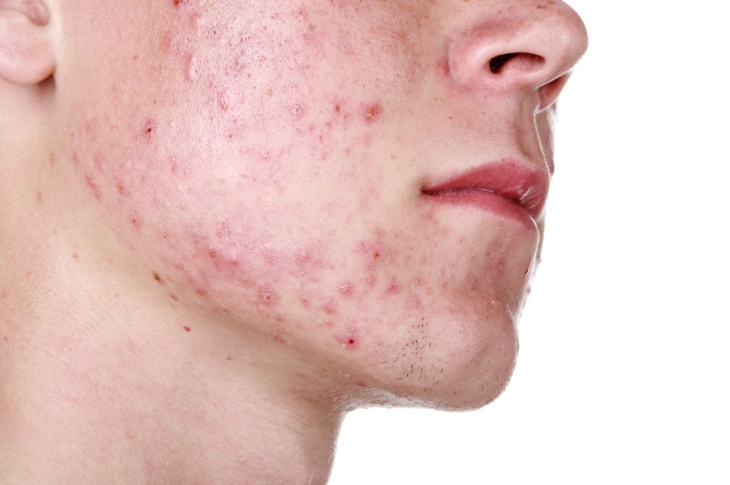
Abusing steroids can cause acne.
Anabolic steroids are extremely dangerous for those who take them in large doses. They have a variety of short and long term negative effects that range from annoying to deadly. The short term effects are:
- blood pressure increase,
- eye pressure increase (glaucoma)
- acne,
- weight gain,
- hostility,
- aggression,
- shrunken testicles,
- hair gain or loss,
- increase in muscle mass,
- decrease in breast size,
- males may develop breasts, and
- many others depending on gender.
These short term effects usually resolve themselves when you stop using these steroids.
The long term effects are far more dangerous. These long term effects are:
- increased risk of clotting in the blood which can result in death,
- permanent increase in high blood pressure,
- decreases in metabolic functions,
- liver cystitis,
- kidney cancer,
- liver damage and jaundice, and
- liver cancer.
Although some of this damage is not permanent most of it is. Only by stopping steroid use in time can you avoid many of the long term consequences.
Why do People Use Them?
People use steroids as performance enhancers. They allow people to build muscle and lose fat faster than they would otherwise. Steroid use also produce high risk behaviors in teens and adolescents. The confidence it gives people is part of the reason they use it.
What is the Treatment for Steroid Addiction?
The treatment for steroid addiction is usually supportive therapy and counseling. The supportive therapy consists of dealing with the symptoms of withdrawal as they come up as well as reversing the problems caused by the steroids. Sometimes the problems are reversible and only hormone therapy is required.
The counseling normally deals with body issues that caused the steroid abuse in the first place. Mental disorders, physical, and sexual abuse are the common causes of steroid use. The majority of people who use steroids start to change some aspect of themselves in order satisfy either a need to excel at sports or physical activity or to change their bodies to something more pleasing.
Find treatment that takes your insurance
Search insurance by your plan, location and level of care.
Check insuranceBrowse treatment centers
Search independently reviewed drug & alcohol rehab and detox centers in all 50 states.
Find a rehab center