




Police in Tucson, Arizona, made 806 drug arrests in the first three months of 2026, but officials connected fewer than 30 of those people to shelter or addiction treatment. For families watching a loved one struggle with substance use, that gap matters.
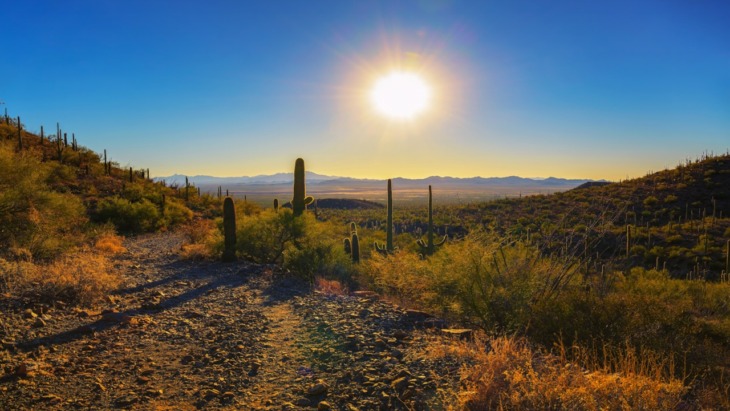
The stats come from the city’s Safe City Initiative, a public safety program targeting drug use and homelessness. It’s one of many services available in The Grand Canyon State, where residents find care ranging from 24/7 supervision in inpatient facilities to outpatient clinics. The city of Tucson features a wide variety of traditional and holistic healing out in the desert environment. However, in this case, local data suggests most people caught up in the initiative cycle through arrests without ever reaching recovery.
Arrests Are Up but Addiction Treatment Placements Are Not
Tucson reported a 67% increase in drug arrests in the first quarter of 2026, totaling 806 felony and misdemeanor cases under the Safe City Initiative.
But the treatment numbers haven’t kept pace. Fifteen Safe City deployments in March alone produced 328 arrests and 1,097 charges. But the numbers resulted in only 29 shelter placements, 26 detox assessments and 15 medically assisted treatments (MAT).
That means for every person connected to a detox program, another 12 were arrested and charged without receiving any clinical care. Public health experts widely recognize this pattern as a barrier to lasting recovery, not a pathway to it.
Arrest Alone Doesn’t Treat Addiction
Addiction is a chronic brain condition, not a choice or a character flaw. When someone is dependent on drugs or alcohol, arrest removes them from the street temporarily but doesn’t address the underlying condition driving their substance use.
Effective addiction treatment typically requires:
- Medical detox to safely manage withdrawal symptoms
- Behavioral therapy to address the root causes of use
- MAT for opioid or alcohol dependence
- Ongoing support through outpatient programs or recovery housing
Without access to these services following an arrest, most people return to using, often within days.
Tucson Police Chief Monica Prieto acknowledged this reality at a recent city council meeting. She observed that enforcement alone isn’t enough and pointed out the need to transition from the criminal justice system to service-based interventions.
Community Advocates Say Trust is the Missing Piece
Local mutual aid organizations and harm reduction agencies like Community Care Tucson, Alma 520, and Gatoraid argue that residents don’t trust the city’s offers of services when they’re delivered alongside the threat of arrest.
This is a well-documented challenge in addiction care. People in active addiction are significantly less likely to accept voluntary treatment when law enforcement is involved in the offer. Fear of incarceration, loss of housing, or separation from support networks can make people avoid help entirely, even when they want it.
The city is working on deflection-focused efforts to assist those incarcerated alongside community service providers, including three Clear Path deployments so far in 2026. Advocates say those approaches are a step in the right direction but need to be scaled significantly to meet the actual need.
Signs for Addiction Treatment Now
If someone you know has been arrested for drug-related offenses, it’s a strong signal that addiction treatment — not jail — is what they need. Common signs that substance use has become a serious addiction include:
- Using more of a drug than planned, or using daily
- Being unable to stop despite repeated attempts
- Withdrawing from family, work or daily routines
- Experiencing withdrawal symptoms like shaking, sweating, or nausea when not using
- Continuing to use even after legal, financial, or health consequences
Fentanyl, methamphetamine, and heroin are among the substances most commonly driving drug arrests in Tucson. Fentanyl in particular carries an extremely high risk of overdose and physical dependence and makes MAT and detox critical for recovery.
Finding Addiction Treatment Centers in Tucson
An arrest does not have to be the end of the story. Addiction treatment in Tucson or any other location is available, and reaching out voluntarily before a crisis gives people the best chance at lasting recovery.
Our directory lists verified addiction treatment centers anywhere in the country. Feel free to browse or dial
800-681-1058
( Sponsored)
to speak with a local treatment specialist today.
Sponsored)
to speak with a local treatment specialist today.