




Reading Time: 5 minutes

More than 31 million prescriptions have been written for Lunesta, a popular insomnia medication made famous by its advertisements featuring a luminous green moth. Although its makers claim that Lunesta offers nothing more than a refreshing night’s sleep, the drug can have serious side effects, and a Lunesta overdose can be deadly.
Lunesta: A New Kind of Sleep Aid
Lunesta belongs to a class of drugs called hypnotics, which cause sleep by slowing down activity in the brain and depressing the central nervous system.
Lunesta and other hypnotic sleep aids act on areas of the brain related to mood and memory. These drugs appear to affect the production of a chemical called GABA, which is often low in people with depression, anxiety and other mood disorders.
Lunesta promises up to eight hours of refreshing sleep with every dose, and unlike some other kinds of sleep aids, it’s possible to use it for relatively long periods.
However, as the body adjusts to the drug, its effects diminish, and once it’s stopped, insomnia typically returns, often in a more severe form called rebound insomnia.
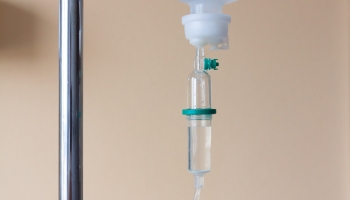
Intravenous fluids can help you recover from a Lunesta overdose.
To make sure they can get the desired effects from their medication, users may take higher and higher doses, getting multiple prescriptions from different doctors or simply doubling up on their prescribed amount.
Polydrug Risks With Lunesta
Individuals may also combine Lunesta with other drugs, such as benzos or opioids, as well as alcohol, to achieve a stronger effect. This creates conditions for potentially fatal overdosing.
All of these substances are central nervous system (CNS) depressants, and combining them intensifies their effects.
In large doses, Lunesta users can become unconscious and unresponsive. Breathing can slow or even stop, robbing the brain of essential oxygen. Too much Lunesta can also lower the heart rate, so that blood pressure drops, and blood fails to circulate properly.
Among many other things, the CNS regulates the body’s autonomous functions, such as breathing and digestion.
Because Lunesta works by depressing this system and slowing down activity in the brain, taking too much of it can lower those autonomous functions to dangerously low levels, or stop them completely.
Polydrug use could lead to extreme sedation, followed by respiratory depression.
Taken together, these drugs can lead to severe side effects such as:
- Drowsiness
- Decreased levels of consciousness
- Disorientation
- Impaired coordination
- Slowed breathing
- Brain damage
If breathing slows down to an extent, it can lead to a coma or brain damage. It can even be fatal.
High Doses Trigger Side Effects
Lunesta side effects can range from relatively mild to fatal. Mild overdose symptoms from taking just a little too much can include excessive grogginess and disorientation. More intense effects include poor coordination, forgetfulness, and problems concentrating.
Higher doses can also trigger the more dramatic and potentially dangerous side effects of Lunesta, too.
People taking high doses of Lunesta are more likely to experience risky sleep activity. This is when users walk, drive, eat, have sex, and do many other things while under the influence of the drug.
Overdoses Can Be Dangerous
Most people who overdose on Lunesta recover from the experience, but it’s essential to get help quickly. The treatment required depends on whether the victim has used Lunesta alone or in combination with other substances.
Overdoses of Lunesta can be treated with an antagonist called flumazenil combined with general supportive care to improve respiration and heart rate. Intravenous fluids might also be helpful.
Clinicians typically manage an eszopiclone (Lunesta) overdose using the same principles employed for a general sedative-hypnotic overdose. Your care team will work to stabilize your vital functions (blood pressure, heart rate) and make sure you’re breathing comfortably.
If necessary, they may use a breathing tube or mechanical ventilation to support this function if you cannot breathe adequately on your own. If you’ve co-ingested Lunesta alongside benzos, opioids, or alcohol, they’ll monitor you closely for respiratory depression.
Finding Overdose Triggers
A Lunesta overdose might be an isolated accident. It could also be a symptom of a larger issue, especially if other drugs are involved too.
This medication isn’t a narcotic, but because it can be highly addictive, stopping it suddenly can cause withdrawal symptoms similar to those of typically addictive drugs like alcohol and heroin.
Overdosing on Lunesta can also indicate depression or a similar mood disorder that’s associated with thoughts of suicide, and those kinds of thoughts can be triggered by Lunesta itself, too. It’s important to find and address the underlying issues leading to the overdose as well as treat the immediate symptoms.
What to Do During a Lunesta Overdose
If you suspect that someone is overdosing on Lunesta, the first thing to do is call 911 and seek emergency help.
This is especially important if you notice any signs of a severe reaction, such as slowed breathing or a loss of consciousness. Stay with the individual until help arrives, and do not offer them anything to eat or drink.
It’s possible to recover from a Lunesta overdose, but the recovery journey will look different for everyone.
The duration of recovery will depend on several factors, including:
- The amount of Lunesta taken
- The person’s overall health
- Any co-occurring addictions present
If someone’s Lunesta overdose is linked to a possible addiction, then professional alcohol or drug rehab services may be necessary. Experts at these facilities can help identify the underlying cause of the overdose and prevent it from happening again in the future.
Lunesta overdoses are preventable, but staying educated on the effects and risks of the medication is key. If you or someone you know is using this sleep aid incorrectly or unsafely, reach out for help.
Call
800-681-1058
( Sponsored)
now to speak with someone who can help, or check out the Addictions.com directory to find a rehab center near you.
Sponsored)
now to speak with someone who can help, or check out the Addictions.com directory to find a rehab center near you.