What starts as an occasional bet can become a habit that’s hard to break. Often, the first changes show up in how a person thinks about money, not in how much they win or lose. This page follows that path through the signs, the patterns clinicians name, what cutting back can bring on, and the care settings, state-funded programs and self-exclusion lists that exist to interrupt it.
Key Points About Gambling Addiction
- A clinician diagnoses gambling disorder when at least four DSM-5-TR criteria are met across 12 months.
- NCPG puts the number of U.S. adults with a severe gambling problem at about 2.5 million a year.
- The DSM-5-TR counts restlessness when gambling less and chasing losses among its nine criteria.
- Treatment centers on CBT, and no medication has FDA approval for the disorder itself.
- NCPG’s helpline answers calls, texts and chats at 1-800-MY-RESET around the clock, with no payment or insurance details.
- Care ranges from outpatient counseling and intensive outpatient programs to residential and 24-hour inpatient treatment.
What Is Gambling Addiction?
Gambling addiction, sometimes called compulsive gambling, is another name for gambling disorder, one of the behavioral addictions. The American Psychiatric Association’s (APA) DSM-5-TR defines it as “persistent and recurrent problematic gambling behavior leading to clinically significant impairment or distress.” Most people who gamble never develop a problem, but some lose control. More plainly, problem gambling is behavior that damages a person or family.
Until 2013, the DSM called it “pathological gambling”; DSM-5 renamed it gambling disorder and placed it among substance-related and addictive disorders. ICD-11 groups gambling disorder and gaming disorder as disorders due to addictive behaviors.
NCPG estimates that 2.5 million U.S. adults live with a severe gambling problem each year, with 5 to 8 million more having mild or moderate problems. A 2024 survey found about 8% of adults, close to 20 million people, reported at least one problem behavior “many times” that year; those answers signal risk, not a diagnosis.
2.5 million
U.S. adults judged to have a severe problem in any given year (National Council on Problem Gambling; no survey year given)
~20 million
U.S. adults reporting a problem behavior “many times” over the previous year.)
1.2%
share of adults worldwide with a gambling disorder (World Health Organization, 2024)
WHO counts 1.2% of adults worldwide with the disorder; more gambling addiction statistics go further.
Related articleSports Gambling Addiction Support Guide | Find Recovery Help to Stop Sports BettingA recent report shows that around 46% of adults worldwide have engaged in some form of gambling in the previous year. Gambling’s popularity does not mean it’s a harmless pastime. The World…
Gambling problems can develop at any age, though younger people and men may face a higher risk. Women, however, may develop problems with gambling more quickly. Financial stress, unemployment and poverty can also increase the risk.
Sports Betting and Online Gambling
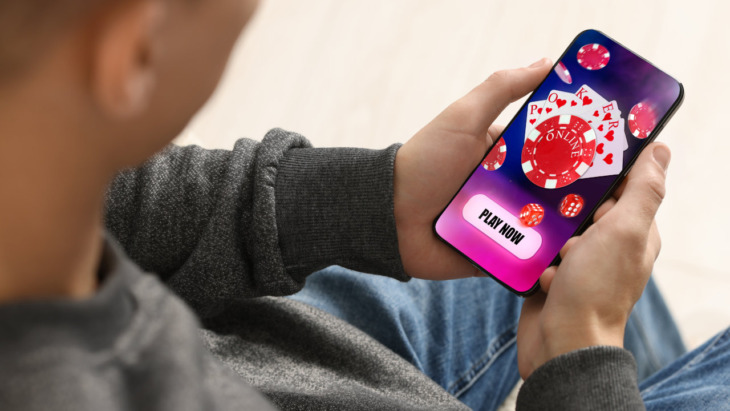
Sports betting is a common form of gambling, and triggers can be almost anywhere. From a game on a phone to a sports ad on TV, anything can spark the urge to bet. Phone apps make it easy to act on that urge right away, with little time to stop and think before placing a wager. After the 2018 Supreme Court ruling that let states legalize sports betting, U.S. searches for gambling addiction help rose 23%, about 6.5 to 7.3 million through mid-2024, JAMA Internal Medicine reported; an association, not proof of cause. In 2024, 23% of American adults placed a sports bet, NCPG found. The signs of online gambling addiction match those of any other gambling problem.
Signs and Symptoms of Gambling Addiction
The signs tend to follow a pattern including betting larger amounts to feel the same excitement, chasing losses, hiding gambling from others, repeatedly trying to cut back and growing money or relationship problems.
Compared with drug or alcohol use, gambling leaves few visible traces, so the earliest signs usually show up in behavior and money. Only a clinician can diagnose gambling disorder, the clinical name for the condition. The DSM-5-TR sets nine criteria: at least four within 12 months, and gambling better explained by a manic episode doesn’t count. Four or five criteria indicate a mild addiction, six or seven a moderate addiction, eight or nine a severe addiction.
In plain words:
- Betting ever larger amounts for the same excitement
- Restlessness or irritability when cutting down or stopping
- Repeated attempts to cut back that fail
- Frequent thoughts of gambling and ways to get money for it
- Gambling while feeling helpless, guilty, anxious or depressed
- Going back another day to win back lost money
- Lying to hide how much you gamble
- Risking a relationship, a job or a career opportunity
- Relying on others for money to cover losses
Committing illegal acts to fund gambling was removed from the diagnostic criteria in the DSM-5, published in 2013. However, it can still carry serious consequences. A pattern, not one bad night, is what counts.
Read why gambling can be so hard to stop and the warning signs of a gambling addiction for more details.
Visible and Money Signs
Because gambling leaves no physical trace, households usually notice practical changes first.
Signs of problem gambling include thinking about gambling constantly, lying about it, spending work or family time on it, feeling bad afterward without stopping and using money meant for other things.
- Borrowing money, or asking friends and family for it, to cover gambling losses
- Unexplained debt, new loans or money that has gone missing
- Lying about where the time or the money went
- Missing work, school or family events because of gambling
- Long stretches spent on betting apps or gambling sites
If You’re Worried About Someone
You cannot force someone to stop gambling. What you can do is safeguard your own money, talk calmly about what you have noticed and find support for yourself. You can also find support through Gam-Anon, which is its own fellowship for family and friends of someone with a gambling problem, with no dues or fees.
You control the conversation, and planning a conversation or an intervention starts there.
Related article10 Signs of Gambling AddictionCompulsive gambling, the silent killer, is often overlooked despite the various signs of gambling addiction that may be present in a friend or loved one.Patterns of Problem Gambling
Gambling problems build in patterns a clinician can name. This can look like betting more for the same excitement, chasing losses or gambling to escape stress. They can fade and return, or run for years, and no two people follow the same path.
Gambling disorder is episodic when symptoms lift for several months or longer between periods, and persistent when they continue for multiple years.
The DSM-5-TR numbers four criteria for patterns like these:
| Pattern | What it can look like | DSM-5-TR criterion |
|---|---|---|
| Escalation | Wagering larger amounts, or gambling more often, for the same excitement | Criterion 1 (increasing amounts) |
| Chasing losses | Coming back another day to try to win back lost money | Criterion 6 |
| Restlessness when cutting back | Restlessness and irritability that surface when someone gambles less or gives it up | Criterion 2 |
| Escape gambling | Turning to gambling to escape helplessness, guilt, anxiety or depression | Criterion 5 |
Psychiatrist Robert Custer described a three-phase model that clinicians still use. The stages are winning, losing and desperation. Early wins raise hopes of a big payout; the losing phase brings chasing losses, borrowing and hiding; in desperation, bigger risks go toward covering losses, which can include illegal acts. Keep in mind that the phases are a model, not a timeline: nobody moves through them in order or on a schedule.
Mobile sports betting narrows the gap between feeling an urge and placing a bet. Betting apps put that speed on a phone already in hand, which helps explain how sports betting apps keep you playing and why escalation and chasing can move faster online.
NCPG’s 2024 NGAGE 3.0 survey put problem indicators at 15% for adults 18 to 34, 2% for adults 55 and older, 24% for people who play fantasy sports, 17% for people who bet on traditional sports and 19% for people who bet online at least occasionally. Indicators are not diagnoses.
If you are unsure whether your betting fits any of this, a treatment provider can explain the programs available, what insurance covers and when you could start.
Gambling Withdrawal: Restlessness, Irritability, Urges
People with gambling disorder may feel restless or irritable when they cut back or stop. The DSM-5-TR includes these feelings among the nine diagnostic criteria. Urges to gamble can also become stronger during this time. However, symptoms are different from the physical withdrawal that can occur with alcohol or certain drugs.
Thoughts of suicide are a reason to reach out now: call or text 988. You can also chat at 988lifeline.org. And veterans can press 1. For an emergency, call 911.
Gambling disorder changes the way the brain works and can bring on withdrawal, tolerance and cravings. When a person tries to gamble less or stop entirely, the most common withdrawal-like symptoms include:
- Restlessness or feeling on edge
- Irritability or anger
- Strong urges or cravings to bet
- Trouble thinking about anything other than gambling
- Low mood, guilt or anxiety
Urges usually rise and fall, and delaying a bet, distracting yourself or calling someone can help you ride one out.
For anyone who also drinks or uses drugs, one distinction matters: quitting alcohol or certain drugs can cause medical withdrawal, which is what medically supervised detox is for.
When to Get Help
Reach out right away if any of these sound familiar:
- Suicidal thoughts or self-harm: call or text the 988 Suicide & Crisis Lifeline, or chat online; free, confidential, 24/7/365. Veterans can press 1.
- In an emergency: call 911.
- Chasing losses or an inability to cut back: the National Problem Gambling Helpline takes calls, texts and chats at 1-800-MY-RESET (1-800-697-3738), and the line runs 24/7/365, is confidential, and needs no payment or insurance details. It is a gambling helpline, not an emergency one: in a crisis, call 911 or 988.
- Debt or legal trouble from gambling: the helpline also points people toward local help with those problems.
- Drinking or drug use alongside gambling: if stopping is the plan, talk to a doctor first, because alcohol and some drugs can involve medical withdrawal.
Treatment for Gambling Addiction
Treatment for gambling disorder rests on talk therapy, above all cognitive behavioral therapy (CBT), alongside peer support like Gamblers Anonymous. The Food and Drug Administration (FDA) has approved no medication for the condition itself. Help ranges from counseling at home to residential care and around-the-clock inpatient programs. The good news is that most states fund it. The gambling addiction treatment guide covers each approach in depth.
Levels of Care
NCPG lists four levels, from counseling and outpatient treatment through intensive outpatient and residential to inpatient. Outpatient counseling means scheduled visits while you live at home; intensive outpatient means at least 9 hours of structured programming weekly. Residential treatment is often the recommendation for a severe gambling problem, and inpatient care is staffed 24/7. Assessment decides the level; the split is where a person sleeps: outpatient rehab keeps home and work in place, inpatient programs do not.
Therapy
Therapy for gambling addiction usually starts with CBT, which is generally the treatment of choice, with a strong recommendation based on moderate-quality evidence. Unfortunately, only about one in ten people with gambling disorder ever seek treatment.
A review of 29 trials in 2023 found CBT reduced how severe gambling was by the time treatment ended, though at later follow-up the benefit was no longer significant, and the review judged the effects probably overestimated. CBT and motivational interviewing offer short-term benefits, but long-term effectiveness remains uncertain.
The APA names four approaches: CBT, psychodynamic therapy, group therapy and family therapy. During treatment, a counselor helps with managing habits and urges, coping with stress, repairing relationships, handling finances and treating other conditions.
Medications
The FDA has approved nothing for gambling disorder itself, though doctors sometimes try drugs approved for other conditions. Naltrexone treats alcohol and opioid use disorders, and doctors sometimes prescribe it off-label. Nalmefene has been tested in gambling, though in the U.S. it is licensed only to reverse an opioid emergency. A 2025 network meta-analysis found the two currently have the most supportive evidence; more people stopped for side effects than on placebo. Medications studied for gambling disorder
Because depression or anxiety are often co-occurring, they are often treated with medications such as antidepressants or benzodiazepines.
Peer Support
Gamblers Anonymous describes itself as a fellowship whose members share experience, strength and hope. Anyone who wants to quit can join. There are no dues or fees, and meetings run in person, online and by phone, with a hotline at 855-2CALLGA (855-222-5542). The 20 Questions list is a self-assessment, not a diagnosis, and GA reports that seven or more yes answers are typical for people with a gambling problem.
Gam-Anon is a separate fellowship for family and friends, with no dues or fees and a line at 844-475-4213. Research on self-help and family groups alone is limited, and so many friends or family members pair them with counseling. Support groups for gambling cover the options.
Helplines and State Programs
If you want a gambling hotline, the number is 1-800-MY-RESET. NCPG’s National Problem Gambling Helpline (1-800-697-3738) answers by call, text or chat around the clock, at no cost, without payment or insurance details, through contact centers covering all 50 states and the U.S. territories. It handles gambling support, not a mental health emergency; for that, call 911 or 988.
Help by State listings name each state’s publicly funded programs; the Substance Abuse and Mental Health Services Administration (SAMHSA) runs a National Helpline at 1-800-662-HELP (4357) for drug or alcohol concerns.
Helplines to know:
National Problem Gambling Helpline
SAMHSA National Helpline
Gamblers Anonymous
Gam-Anon
Self-Exclusion and Money Blocks
Many states with legal sports betting offer self-exclusion programs. North Carolina, one form blocks a person from using any licensed sports or horse race betting operator for one year, three years, five years or life. This restriction usually takes effect three to four business days, and all licensed operators in the state must honor it.
In California, Colorado and Michigan, a single online sign-up with NVSEP, the National Voluntary Self-Exclusion Program, covers self-exclusion across operators.
Betting sites and apps offer limits, time-outs, and self-exclusion, and resources on how to stop gambling and how to stop sports betting cover the rest. Blocking software also exists. For example, BetBlocker is free, Gamban and GamBlock are paid and Michigan gave residents free Gamban licenses in April 2026.
A bank or card issuer can say whether it blocks gambling transactions. This can be especially important because handing money management to someone trusted removes the easy tap.
Paying for Treatment and State-Funded Programs
In fiscal 2025, publicly funded problem gambling programs operated in 43 states, with about $188 million in total allocations. This is up from about $94 million in fiscal 2021 and NAADGS reported that allocations reached $204 million in fiscal 2026. Many counsel at low or no cost, and the Help by State listings say what each covers.
Coverage varies. New York’s 2026 budget added a rule that insurers must pay for gambling addiction treatment. North Carolina, for one, began a state-funded telehealth service in 2024. Paying for treatment and insurance cover the coverage question.
Next Steps
If the first call feels like a lot, start with one question: does this program offer gambling counseling? You can find treatment programs near you and ask what insurance it accepts and for details on their program. Remember, asking commits you to nothing. You can also call the National Problem Gambling Helpline, which answers 24/7. The best approach for you is a conversation with a clinician. The treatment guide covers each one.
Related articleGambling Addiction TreatmentGambling addiction treatment is available to assist those who suffer from a gambling problem, otherwise known as compulsive gambling. The support, care and resources provided in treatment help people overcome…Risks and Effects of Gambling Addiction
Gambling disorder can lead to serious problems with money, relationships, work or school and the law. It also raises the risk of depression, anxiety and thoughts of suicide. It often occurs alongside other mental health conditions and substance use. Complications include:
Money problems
Relationships
Work or school
Legal trouble
Mental health
The suicide risk deserves plain words. Gambling disorder carries a higher suicide risk than any substance use or other addictive disorder. A Swedish study found people with gambling disorder 15 times more likely than others to die by suicide. Debt and shame can lead a person toward self-harm or a suicide attempt.
Gambling, Alcohol and Drugs
Gambling disorder commonly appears with a substance use disorder, anxiety disorders, mood disorders such as depression and impulse control disorders. In fact, a 2025 Galeazzi-led meta-analysis of 12 population surveys in European Psychiatry found that 82.2% of people with gambling disorder also had another mental disorder, and that 34.2% had a substance use disorder.
When gambling overlaps with alcohol use disorder or another substance problem, treating gambling and substance use together tends to work better than one at a time.
Related articleResources Available for Families of People With AddictionYou can help a loved one with addiction even while they refuse help. There are resources to support you both, and knowing where to look is the first step.
Gambling Addiction FAQ
Is gambling addiction a mental illness?
Yes. Gambling disorder is a diagnosis in the DSM-5-TR, set with substance-related and addictive disorders as the only behavioral addiction listed. ICD-11 groups it with addictive behaviors too. Diagnosis belongs to a clinician; signs of gambling addiction are what an assessment rests on.
What is gambling withdrawal?
It is the restlessness or irritability that arrives when someone cuts back or stops. The DSM-5-TR counts it as one of its nine criteria. Low mood can come with it. In a crisis, anyone can call or text 988.
Is there medication for gambling addiction?
Not yet. No drug has FDA approval for gambling disorder. Doctors sometimes prescribe naltrexone off-label for it, even though the drug is approved for alcohol and opioid use disorders. Drugs that block opioids carry the strongest research support so far. Therapy and peer support remain the core of treatment for gambling addiction, and medication questions belong with a doctor.
Can gambling addiction be cured?
Gambling disorder is treatable. Therapy plus peer support helps plenty of people stop or cut back, though nothing promises a cure. Under the DSM-5 criteria, early remission covers 3 to under 12 months where none of the criteria are met, and sustained remission covers 12 months or more. Setbacks happen, and how well therapy holds up over years is still being studied.
How do I block myself from betting?
Many states run self-exclusion programs. In North Carolina, a single form covers all licensed sports and horse-race betting, for a term of one, three or five years, or a lifetime, and it usually takes three to four business days to take effect. California, Colorado and Michigan take one online form through the National Voluntary Self-Exclusion Program. Betting apps can add deposit limits and time-outs, blocking software is available, and a bank can refuse gambling charges.
Where can I get help for a gambling problem?
Call or text 1-800-MY-RESET, the National Problem Gambling Helpline run by the National Council on Problem Gambling (NCPG). It is confidential and reachable by call, text or chat at any hour, with no payment or insurance information needed. Its Help by State pages list what each state offers. In fiscal 2025, 43 states reported publicly funded gambling programs (NAADGS, 2026). Gamblers Anonymous charges no dues or fees and Gam-Anon serves family and friends.
What happened to 1-800-GAMBLER?
New Jersey’s Council on Compulsive Gambling runs it, but since September 29, 2025, the national helpline number has been 1-800-MY-RESET, not 1-800-GAMBLER.
How can I help someone with a gambling problem?
Helping a loved one with addiction starts with your own money: protect your accounts and hold back from paying off their debts. Then talk calmly about specific things you have noticed rather than about the person. Gam-Anon, a fellowship for family and friends, has a line at 844-475-4213.
Featured Rehab Centers
Finding facilities near you…
Find treatment that takes your insurance
Search insurance by your plan, location and level of care.
Check insuranceBrowse treatment centers
Search independently reviewed drug & alcohol rehab and detox centers in all 50 states.
Find a rehab center