


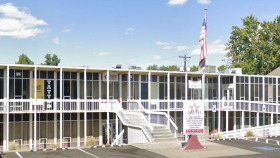
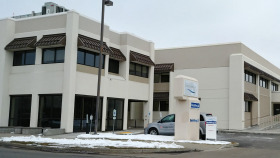
Compare drug and alcohol rehab in Yakima, Washington, with 24 local treatment centers offering detox, inpatient, and outpatient care across the Yakima Valley. See which programs accept Apple Health and private insurance, what treatment costs in Central Washington, and where to find free and low-cost help nearby.
How We Rank Listings
Every facility on this page is included because it delivers licensed substance use disorder treatment to the Yakima area, not because it paid for placement. We build each listing from verified program data: the levels of care offered, the specialty populations served, accepted forms of payment, and current accreditation status from bodies like the Joint Commission and CARF.
Our goal is to help you compare real options side by side. Listings surface based on how completely they match what someone searching in Yakima is likely to need, including whether a program accepts Medicaid, treats co-occurring mental health conditions, or provides medical detox. We update facility information regularly and flag accreditation so you can weigh choosing a rehab center with accurate, current details rather than marketing claims.
Rehab in Yakima: What to Know
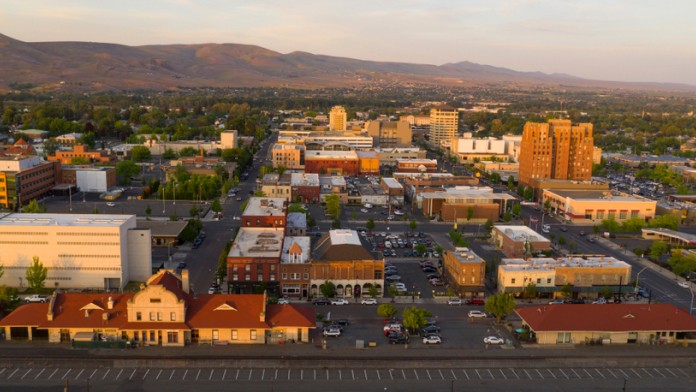
Yakima is the seat of Yakima County, an agricultural region in Central Washington roughly 140 miles southeast of Seattle across the Cascade Range. The city anchors a treatment network of 24 licensed facilities serving the broader Yakima Valley, which extends south toward Toppenish, Sunnyside, and the Lower Valley.
Because the region is largely rural, many residents rely on a smaller cluster of providers than someone in a large metro would, which makes knowing your Washington rehab options and local addiction treatment options especially useful before you call.
Comprehensive Healthcare is the county’s designated behavioral health provider and operates the region’s Crisis Triage Center along with an Opioid Treatment Program in Yakima that offers methadone and buprenorphine/naloxone (Suboxone).
In 2024, that program expanded its Suboxone services through a Certified Community Behavioral Health Clinic grant, with capacity projected to grow from about 20 clients a month toward several hundred over the following years.
Yakima Valley Farm Workers Clinic and Yakima Neighborhood Health Services add outpatient behavioral health and medication-assisted treatment, and the Yakama Nation operates its own tribal behavioral health and substance use programs in the Lower Valley.
The county has been hit hard by fentanyl. Yakima County recorded a record 146 overdose deaths in 2024, up from 96 in 2023, with the coroner’s office attributing the majority to fentanyl, often in combination with methamphetamine or cocaine.
That reality shapes local treatment: demand for opioid use disorder care and medication-assisted treatment is high, and community groups like Safe Yakima Valley now post real-time overdose spike alerts to warn of dangerous batches circulating in the area.



Cost of Rehab in Yakima
What you pay for treatment in Yakima depends far more on the level of care and your insurance than on the city itself. Statewide averages give the clearest anchor for planning. Across Washington, the cost of care ranges widely by setting, and most people never pay the full sticker figure once insurance, Apple Health, or sliding-scale pricing is applied.
Yakima sits in a rural, lower-cost part of the state, and its treatment landscape leans heavily on community behavioral health agencies and Medicaid-funded programs rather than premium private facilities, so out-of-pocket costs here often land at or below the state average.
Verifying your insurance benefits before you commit is the single most effective way to control what you actually pay, whether you are weighing residential treatment or an outpatient program.



How to Pay for Rehab in Yakima
Across Yakima’s 24 facilities, most programs accept more than one form of payment, and the majority work with public coverage. Self-payment, private insurance, and Washington Apple Health (Medicaid) are all widely accepted, and many programs layer in sliding-scale fees or financial assistance for people who are uninsured or underinsured.




Because Yakima’s treatment system is built around community behavioral health, public coverage carries most people through care here. The sections below break down how the major payment routes work locally.
Medicare
Eight Yakima-area programs accept Medicare, which can help cover medically necessary addiction treatment for adults 65 and older and some younger people with disabilities. Medicare typically covers outpatient counseling, inpatient care, and medication-assisted treatment when a provider documents medical need. If you are comparing plans, our guide to how insurance covers addiction treatment explains what to check before you enroll in a program.
Medicaid (Washington Apple Health)
Washington Apple Health, the state’s Medicaid program, is accepted by 15 Yakima facilities and is the backbone of affordable treatment in the county. Apple Health covers outpatient treatment, intensive outpatient programs, detox, certain residential levels, and medication-assisted treatment when medically necessary, though inpatient and residential care often require prior authorization.
Comprehensive Healthcare and Yakima Valley Farm Workers Clinic both accept Apple Health for medication-assisted treatment, including methadone and Suboxone.
Military Benefits
Six area programs accept TRICARE, the health coverage for active-duty service members, veterans, and their families. Coverage generally extends to detox, inpatient, and outpatient care. Veterans in the Yakima Valley can also connect with VA behavioral health services and community resources built for military families.
Insurance and Private Pay
Nineteen Yakima programs accept private health insurance and 21 accept self-payment or cash. If you carry a plan through an employer or the Washington Healthplanfinder marketplace, your benefits likely cover a meaningful share of treatment, though the amount depends on whether the facility is in network. Common carriers in Washington are listed below.
- Aetna
- Cigna
- Kaiser Permanente
- Molina Healthcare
- Premera Blue Cross
- Regence BlueShield
- UnitedHealthcare
- Apple Health
Other Low-Cost Options
Ten Yakima programs offer sliding-scale fees and 12 offer some form of financial assistance, which can bring treatment within reach for people paying out of pocket. Community behavioral health agencies frequently adjust fees based on income. For those with no coverage at all, treatment scholarships and grant-funded programs can help close the gap.
Levels of Care Available in Yakima
Yakima’s facilities span the full continuum of care, from medically supervised detox through long-term outpatient support. The area has 5 detox providers, 10 inpatient programs, and 20 outpatient clinics, along with 17 programs equipped to treat co-occurring mental health conditions.


Medical detox is often the first step for people dependent on opioids, alcohol, or benzodiazepines, providing supervised withdrawal management before further treatment. Comprehensive Healthcare operates a detox program alongside its Crisis Triage Center in Yakima. Learn more about what to expect from medical detox.
Inpatient rehab provides 24-hour care in a residential setting, which suits people who need to step away from their environment or who have more severe substance use disorders. Comprehensive Healthcare’s Two Rivers Landing offers residential recovery for adults in Yakima. See how residential treatment works.
Outpatient rehab is the most common level of care in Yakima, letting people live at home while attending scheduled treatment. This includes standard outpatient counseling and more structured intensive outpatient programs. Explore outpatient rehab and intensive outpatient programs.
Dual diagnosis programs treat substance use and mental health conditions together, which matters because roughly half of people with a substance use disorder also experience a mental illness. Seventeen Yakima programs offer this integrated care, addressing conditions like co-occurring depression alongside addiction.
Sober living homes and aftercare give people a structured, substance-free place to rebuild after formal treatment ends. Continuing support through rehab aftercare is strongly tied to long-term recovery.
Specialty Programs in Yakima
Many Yakima facilities tailor treatment to specific populations, which can make care feel more relevant and effective. Programs for young adults, women, men, and older adults are widely available, and several address alcohol and opioid use disorders specifically.






With 18 alcohol use disorder programs and 17 focused on opioid use disorder, Yakima’s treatment options reflect the substances driving the most harm in the county. Three programs provide LGBTQ+ affirming addiction care, and three offer dedicated support for veterans and military families.
Young adults have the widest set of options locally, an important resource given that community surveys found only 58% of Yakima County youth believe fentanyl is dangerous.
Free and Low-Cost Rehab Resources in Yakima
If cost or coverage is a barrier, Yakima County has a network of free and low-cost resources, from 24/7 crisis support to harm reduction and community health services. The options below are verified and current. In an immediate emergency, always call 911.
Crisis Lines
These lines are free, confidential, and available around the clock. For anyone in emotional distress or considering self-harm, connecting with crisis support is a safe first step.
- 988 Suicide and Crisis Lifeline
https://988lifeline.org/
Call or text 988, available 24/7 for suicidal crisis, mental health, or substance use concerns. - Comprehensive Healthcare Crisis Line
https://comphc.org/getting-help/crisis/
509-575-4200 or 800-572-8122, the county’s designated 24/7 behavioral health crisis line, with a walk-in Crisis Triage Center for adults in Yakima. - Greater Columbia Regional Crisis Line
https://www.dshs.wa.gov/node/8991
1-888-544-9986, serving Yakima and surrounding counties 24/7. - SAMHSA National Helpline
https://www.samhsa.gov/find-help
1-800-662-HELP (4357), free and confidential 24/7 treatment referral and information.
County Health and Harm Reduction
- Yakima Health District Syringe Services Program
https://www.yakimacounty.us/2847/Harm-Reduction-Programs
Located at S. 3rd Street and Adams St., Yakima. Provides sterile supplies, naloxone (Narcan), fentanyl test strips, and connections to treatment. The program serves more than 3,000 people a year. - Free Narcan vending machines
Available at the Opportunities Industrialization Center, 717 Fruitvale Blvd. in Yakima, and Yakamart on Fort Road in Toppenish. - Washington Recovery Help Line
https://www.hca.wa.gov/assets/program/fact-sheet-washington-recovery-helpline.pdf
1-866-789-1511, free 24/7 support for substance use, mental health, and problem gambling, with referrals to local services.
Community and Nonprofit Services
- Comprehensive Healthcare Opioid Treatment Program
https://comphc.org/locations/substance-use-disorder-services-yakima/
402 S. 4th Ave., Entrance 5, Yakima. Phone: 509-317-2622. Methadone and Suboxone medication-assisted treatment with in-house behavioral health support. - Yakima Valley Farm Workers Clinic Behavioral Health
https://www.yvfwc.com/services/behavioral-health/
509-453-1344 or 800-500-0934. Outpatient mental health and substance use treatment. - Catholic Charities
https://catholiccharitiescw.org/yakima/
509-965-7100 or toll-free 800-246-2962. Counseling for children, youth, and adults. - NAMI Yakima
https://www.nami.org/yakima/
Free peer-led support groups, family education, and mental health referrals.
Tribal and Veteran Services
- Veterans Crisis Line
https://www.veteranscrisisline.net/
Call 988 then press 1, or text 838255. Veterans in the Yakima Valley can also explore addiction resources for veterans and military families. - Yakima Nation Behavioral Services
https://yakama.com/programs/behavioral-health/
Range of counseling services for children through seniors, including diagnosis, treatment planning, and therapy.
Drug and Alcohol Use Statistics in Yakima
Yakima County’s overdose crisis has accelerated sharply, driven almost entirely by fentanyl. The county recorded 146 overdose deaths in 2024, a record that shattered the prior high and underscored how dangerous the illicit drug supply has become across Central Washington.
The role of opioids, and fentanyl in particular, is stark: the coroner’s office reported that fentanyl was the leading factor in the county’s 2024 deaths, frequently mixed with stimulants like methamphetamine and cocaine.
The danger is compounded by counterfeit pills sold as legitimate medications. The Yakima Health District’s harm reduction efforts, including its syringe program and naloxone distribution, have expanded in response, and community coalitions now track overdose clusters to warn residents in near real time. For national context on how these trends compare, see our national substance use statistics.
Resources
- Yakima County Coroner’s Office (via Yakima Herald-Republic and KIMA/KIT News). (2025). Yakima County overdose deaths reach record 146 in 2024. yakimaherald.com.
- Yakima Herald-Republic. (2025). Yakima County fentanyl deaths and 2024 coroner’s report. yakimaherald.com.
- Central Washington Fentanyl Task Force. (2024). Task Force Report, October 2024. newhouse.house.gov.
- Yakima County, WA. Harm Reduction Programs and Syringe Services Program. yakimacounty.us.
- Comprehensive Healthcare. (2024). Opioid Treatment Program in Yakima Expands Wraparound Services with New Suboxone Treatment Option. comphc.org.
- Washington State Health Care Authority. Mental Health Crisis Lines and Apple Health behavioral health coverage. hca.wa.gov.