










Expert Insights
I was very happy to hear that the Tennessee Department of Health recently helped develop a new website to help people in Tennessee find help to overcome addiction and substance abuse.
This site, called FindHelpNowTN.org, guides people to nearby services at addiction treatment facilities. Users can search for specific treatments or filter their results by location, insurance programs, payment methods, and various other filters.
It starts by asking the user some simple questions, then it asks if the person has been diagnosed with a mental health disorder along with a substance use disorder. The results are a list of nearby facilities and centers along with the services they provide, along with whether or not they are currently accepting patients.
This is a long-awaited step in the right direction. I’d love to see the momentum continue – we certainly need all the help we can get.
How We Rank Listings
Our directory organizes Knoxville treatment providers to make comparison straightforward, not to promote any single facility. Listings draw on public data from the Substance Abuse and Mental Health Services Administration (SAMHSA), state licensing records, and facility-reported details about services, levels of care, and payment options.
When you browse the centers above, a few factors are worth weighing together rather than in isolation:
- Accreditation and licensing, such as CARF or Joint Commission recognition and current state licensure
- Levels of care offered, from medical detox through outpatient and aftercare
- Accepted payment types, including private insurance, TennCare, Medicare, and self-pay
- Specialized programming for the population that fits your situation
We do not accept payment in exchange for higher placement. The goal is to help you shortlist options worth a direct phone call, then verify the specifics with the facility before you commit.
Rehab in Knoxville: What to Know
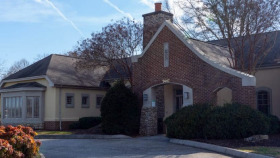
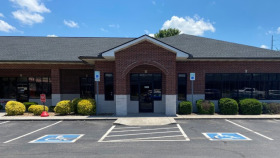
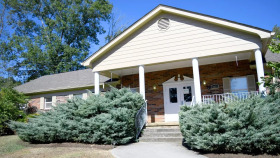
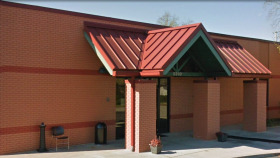
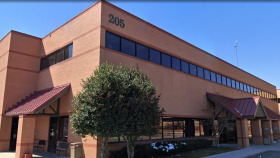
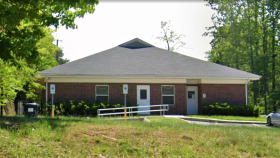
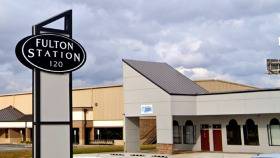
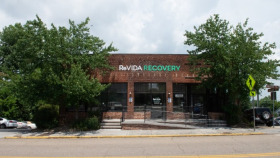
Knoxville is the seat of Knox County and the largest city in East Tennessee, anchoring a metro area of roughly 900,000 residents at the foot of the Great Smoky Mountains. For people searching locally, the directory currently lists 37 treatment facilities across the city and surrounding county, spanning medical detox, residential care, outpatient services, and specialized programs. You can also browse the full statewide network of rehab centers in Tennessee if you are open to care outside the immediate area.
A handful of established providers shape the local treatment landscape. The McNabb Center, a CARF-accredited regional nonprofit, offers a continuum that runs from medical detox and residential care through intensive outpatient and medication-assisted treatment, and it operates the Behavioral Health Urgent Care Center that helps divert people with mental health and substance use conditions away from jail.
Cherokee Health Systems integrates addiction medicine with primary and behavioral care, and the University of Tennessee Medical Center connects overdose survivors to treatment. Together these organizations give Knoxville a deeper safety net than many similarly sized Southern cities, though demand for beds still outpaces supply, particularly for people without insurance.
One local effort stands out. The Metro Drug Coalition, a Knoxville nonprofit active for more than three decades, runs The Gateway, the city’s first recovery community center, and coordinates naloxone distribution across Knox County through Regional Overdose Prevention Specialists. Its work reflects a broader shift in the community toward pairing addiction treatment options with harm reduction and peer support rather than treating them as separate tracks.
Knoxville has felt the opioid crisis acutely. Knox County recorded the highest age-adjusted overdose death rate of any Tennessee county in 2023, with synthetic opioids like fentanyl the most common driver, frequently mixed with methamphetamine and cocaine. That local reality makes access to opioid use disorder treatment and medication-assisted care a central concern for many people beginning their search here.
Cost of Rehab in Knoxville
Treatment cost in Knoxville tracks closely with Tennessee averages, and the state remains relatively affordable compared with much of the country. According to figures compiled by the National Center for Drug Abuse Statistics, the average cost of residential substance use treatment in Tennessee is about $56,600 for a full program, while outpatient care averages closer to $1,698 per person. Actual costs depend heavily on the level of care, program length, and whether you use insurance.
Knoxville’s cost of living is near or slightly below the national average, so local prices generally are at or under these statewide figures rather than above them. Most people who use in-network insurance pay only a fraction of the sticker price. Before ruling out a program because of cost, it is worth verifying your insurance benefits, since substance use treatment is a required essential health benefit on ACA-compliant plans.




How to Pay for Rehab in Knoxville
Across the 37 Knoxville-area facilities in our directory, payment options are fairly broad. Most accept self-payment and private insurance, and a solid share work with public programs like TennCare and Medicare. The cards below show how many local facilities accept each option, and the sections that follow explain how each one applies to addiction treatment.






The right payment path usually depends on your coverage you already have and how quickly you need to start. Here is how the main options work in Knoxville.
Medicare
Seventeen Knoxville-area facilities accept Medicare, which covers addiction treatment for eligible adults 65 and older and for some younger people with disabilities. Part A helps with inpatient and residential stays, while Part B covers outpatient services, and Part D can help with medications used in recovery. Coverage rules and cost-sharing vary by plan, so it helps to understand how Medicare covers addiction treatment before you enroll in a program.
Medicaid (TennCare)
TennCare is Tennessee’s Medicaid program, and 16 local facilities accept it. TennCare covers substance use disorder treatment as an essential health benefit, including detox, inpatient and outpatient care, counseling, and dual diagnosis services. For opioid use disorder, its BESMART program provides buprenorphine-based medication-assisted treatment with counseling and care coordination. One coverage detail matters for planning:
TennCare covers buprenorphine products such as Suboxone and Vivitrol but does not cover methadone, so people who need methadone maintenance should confirm alternative payment with the clinic.
Military Benefits
Six Knoxville-area facilities accept TRICARE, the health program serving active-duty service members, retirees, and their families. TRICARE covers medically necessary substance use treatment, and the region’s veteran population can also access care through the Department of Veterans Affairs. Additional rehab resources for veterans and military families can help with navigating benefits and finding programs experienced in service-related trauma.
Insurance and Private Pay
Private insurance is accepted at 29 local facilities, and 35 accept self-payment. Under federal parity rules, plans that cover medical care must cover substance use treatment at a comparable level, so out-of-pocket costs for in-network care are often far lower than published rates. If you are paying privately, ask each facility about payment plans and whether the quoted price bundles detox, therapy, and aftercare.
Other Low-Cost Options
Sixteen facilities offer some form of financial assistance and seven use sliding-scale fees that adjust to income, which makes treatment reachable for people who are uninsured or underinsured. For those facing the steepest barriers, it is worth asking programs directly about scholarships or reduced-fee beds, and reviewing how rehab scholarships can offset the cost of care.
Levels of Care Available in Knoxville
Knoxville offers a full continuum of addiction care, with 18 facilities providing medical detox, 22 offering inpatient or residential treatment, and 29 providing outpatient services. Dual diagnosis care is widely available, and a handful of sober living homes support the transition back to daily life.





Medical detox is often the first step for people with physical dependence on alcohol, opioids, or benzodiazepines. Supervised medical detox manages withdrawal safely and prepares a person for ongoing treatment; it is not a standalone cure.
Inpatient and residential rehab provides 24-hour structured care and is often recommended for more severe substance use disorders or when home is not a stable environment for recovery. Knoxville’s 22 inpatient rehab programs range from short-term stabilization to longer residential stays.
Partial hospitalization and outpatient care let people live at home while attending treatment. With 29 outpatient clinics and three partial hospitalization programs locally, outpatient rehab and intensive outpatient programs offer flexibility for those balancing work or family responsibilities.
Dual diagnosis programs treat a substance use disorder alongside a mental health condition such as co-occurring depression or anxiety at the same time, an approach that tends to hold up better than treating either condition alone.
Sober living and aftercare support long-term recovery once formal treatment ends. Planning for rehab aftercare early, including recovery housing and ongoing peer support, is one of the stronger predictors of staying well.
Specialty Programs in Knoxville
Many Knoxville facilities tailor treatment to specific populations, which can make care feel more relevant and easier to stay with. The counts below reflect how many local programs offer each specialty focus.







Alcohol remains the most commonly treated substance locally, with 30 programs addressing alcohol use disorder, while 21 focus on opioid use disorder given the county’s overdose burden.
Gender-specific tracks are widely available, and 23 programs serve young adult and college student substance use, a meaningful figure in a college town home to the University of Tennessee. Veterans have nine dedicated programs to choose from, and families seeking LGBTQ+ affirming addiction care will find at least one local option, with others reachable statewide.
Free and Low-Cost Rehab Resources in Knoxville
Cost should not be the reason someone goes without help. Knoxville has a network of free and low-cost resources spanning crisis support, harm reduction, and public health services. The organizations below serve Knox County residents regardless of insurance status. For anyone in immediate danger, call 988 for the Suicide and Crisis Lifeline or reach out to local crisis support resources.
Crisis and Helplines
- 988 Suicide and Crisis Lifeline — Call or text 988 for free, confidential support 24/7. https://988lifeline.org/
- Tennessee REDLINE — 1-800-889-9789. The state’s confidential referral line for substance use treatment and resources. https://www.tn.gov/behavioral-health/substance-abuse-services/prevention/tennessee-redline.html
- SAMHSA National Helpline — 1-800-662-HELP (4357). Free, confidential, 24/7 treatment referral in English and Spanish. https://www.samhsa.gov/find-help/helplines/national-helpline
- McNabb Center Crisis Line (Knox County) — 865-541-6958 for adult crisis services in the Knoxville area. https://mcnabbcenter.org/mental-health-care/
County Health and Behavioral Health
- Knox County Health Department — 140 Dameron Ave, Knoxville, TN 37917. 865-215-5000. Provides access to substance use treatment referrals and public health services. https://www.knoxcounty.org/health/
- The McNabb Center — 1-800-255-9711. Regional nonprofit offering detox, residential, outpatient, and medication-assisted treatment on income-based and insurance terms. https://mcnabbcenter.org/
- Cherokee Health Systems — Integrated primary care and addiction medicine, including MAT, at sites across the Knoxville area. Visit cherokeehealth.com. https://nhchc.org/grantee-directory/cherokee-health-systems-2/
Harm Reduction and Recovery Support
- Metro Drug Coalition / The Gateway — Knoxville’s recovery community center, offering free naloxone kits and training, fentanyl test strips, recovery coaching, and treatment referrals. Visit metrodrug.org.
- Positively Living Syringe Services Program — 865-208-7356. Mobile and outreach syringe services and harm reduction for Knoxville and Knox County. https://choicehealthnetwork.org/positively-living/
- Peer support groups — Alcoholics Anonymous, Narcotics Anonymous, and other 12-step and peer support groups meet throughout the Knoxville area and are free to attend.
Drug and Alcohol Use Statistics in Knoxville
Knoxville sits at the center of one of Tennessee’s hardest-hit regions for overdose. Knox County recorded the highest age-adjusted drug overdose death rate of any county in the state in 2023, though the most recent data points to a sharp and encouraging decline. The figures below come from the Knox County Regional Forensic Center and the Tennessee Department of Health.
Fentanyl and other synthetic opioids remain the most common substances identified in local overdose deaths, though the number of fentanyl-involved cases fell significantly in 2024. Methamphetamine continues to be the region’s most-used stimulant, frequently mixed with opioids, and cocaine and alcohol also rank among the substances most often found in opioid-related and other drug deaths.
The 2024 decline has been attributed in part to widespread naloxone distribution and community partnerships across Knox County. For national context on how these trends compare, see the latest national substance use statistics.
Resources
- Knox County Regional Forensic Center. (2024). 2023 Drug Related Death Report for Knox and Anderson Counties. https://www.knoxcounty.org/rfc/pdfs/KCRFC_DRD_Report_2023.pdf
- WBIR. (2025). Knox County sees 36% drop in drug deaths in 2024. https://www.wbir.com/article/news/local/knoxville/overdose-deaths-decrease-knox-county/51-5769acfc-12fc-4e36-9b87-f815d76ec71a
- Tennessee Department of Health. (2025). 2023 Tennessee Drug Overdose Death Report. https://www.tn.gov/content/dam/tn/health/documents/pdo/death-report/2023_Tennessee_Drug_Overdose_Death_Report.pdf
- National Center for Drug Abuse Statistics. (2024). Cost of Rehab. https://drugabusestatistics.org/cost-of-rehab/
- Addiction Resource. (2026). Average Cost of Addiction Treatment in Tennessee. https://www.addictionresource.net/cost-of-rehab/tennessee/
- Tennessee Division of TennCare. Behavioral health and substance use disorder coverage. https://www.tn.gov/tenncare.html
- City of Knoxville. Substance Misuse Efforts and Resources. https://www.knoxvilletn.gov/government/mayors_office/substance_misuse_efforts_and_resources
- Metro Drug Coalition. Harm reduction and recovery support services, Knoxville. https://metrodrug.org/
- The McNabb Center. Substance Use Treatment. https://mcnabbcenter.org/substance-use-treatment/