



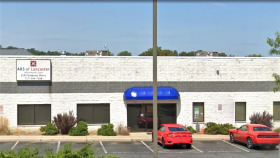
Finding drug and alcohol rehab in Lancaster, Pennsylvania means comparing 23 local treatment providers across detox, inpatient, and outpatient care in one place. Sort your options by level of care, insurance, and cost so you and your family can take an informed next step toward recovery.
How We Rank Listings
Addictions.com lists licensed drug and alcohol treatment providers in and around Lancaster so you can compare real local options in one place. Listings are organized around the factors that matter most when you are choosing care: the levels of care a provider offers, the insurance and payment types it accepts, its accreditation and state licensing status, and any specialty programs for specific groups.
We prioritize verified, publicly available information drawn from provider disclosures, state licensing records, and recognized accrediting bodies such as CARF and the Joint Commission. A listing here is not an endorsement or a promise of any particular result, and it does not replace a clinical assessment.
Confirm current services, openings, and insurance directly with any provider, and speak with a licensed professional about which level of care fits your situation.
Rehab in Lancaster: What to Know
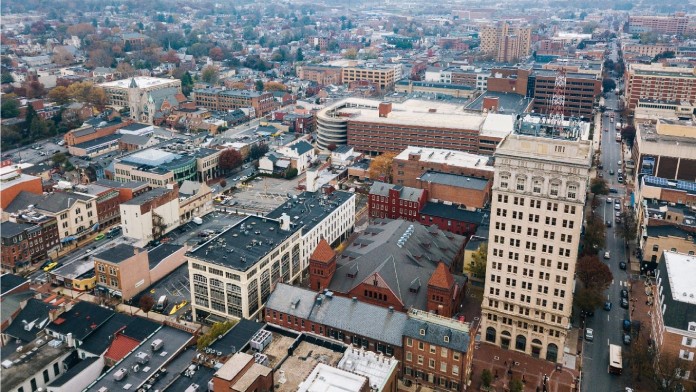
Lancaster is the county seat of Lancaster County in south-central Pennsylvania, and this directory currently includes 23 drug and alcohol treatment providers in and around the city. It is one part of the broader Pennsylvania rehab directory, which lets you compare care across the state if you are open to traveling.
Local treatment funding runs through the Lancaster County Drug and Alcohol Commission (LCDAC), the county’s Single County Authority. LCDAC does not provide direct treatment itself. It contracts with providers across the county and helps uninsured and underinsured residents get care.
It also has coordinated prevention and treatment funding here for more than 35 years. If you are weighing your addiction treatment options and cost is a barrier, the Commission is a practical first call at 717-299-8023.
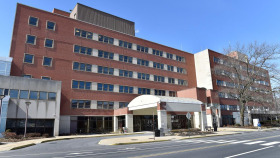
Lancaster also has substantial medical infrastructure behind its treatment network. Penn Medicine Lancaster General Health operates a Level I Trauma Center and the affiliated Lancaster Behavioral Health Hospital, and Penn State Health Lancaster Medical Center adds further hospital-based and specialty care in the county.
These systems often serve as the medical entry point for people who need supervised withdrawal before longer-term treatment. The local picture on overdoses has improved recently. Accidental drug overdose deaths in Lancaster County fell from 85 in 2023 to 44 in 2024, the lowest rate the county has recorded in more than a decade, according to the county coroner.
Most of those deaths involved opioids, and the coroner has continued to point to fentanyl and its overdose risk as a driver. The county has also allocated close to $30 million in national opioid-settlement funds toward local response, including recovery-house scholarships that allow low-income residents to stay in licensed recovery housing.





Cost of Rehab in Lancaster
There is no single price for treatment in Lancaster, because cost depends on the level of care, how long you stay, and how you pay. A useful starting point is the statewide picture. Pennsylvania sits near the national midpoint for residential care and toward the affordable end for outpatient services, and Lancaster costs generally track those state averages rather than the higher figures seen in large metro markets.
The numbers below are Pennsylvania estimates compiled by the National Center for Drug Abuse Statistics, meant to set expectations rather than quote any specific provider.
Residential care is the most expensive option because it includes 24-hour staffing, housing, and meals, while residential treatment alternatives such as outpatient counseling cost far less per week.
Most people never pay the full sticker price. Insurance, Medical Assistance, sliding-scale fees, and county funding all reduce out-of-pocket cost, and several factors below determine where your own price lands.





How to Pay for Rehab in Lancaster
Across the 23 providers in this directory, payment options are broad. Most accept self-payment and private insurance, a strong majority accept Pennsylvania Medical Assistance, and many offer financial assistance, sliding-scale fees, or financing for people paying out of pocket. The cards below show how many local providers report accepting each payment type.






The right payment path depends on the coverage you already have. Here is how the most common options work for Lancaster residents.
Medicare
Medicare covers medically necessary addiction treatment for eligible adults, including inpatient hospital care, outpatient services, and counseling, though specific cost-sharing and coverage limits apply. Eight providers in this directory accept Medicare. If you are close to enrolling or already covered, it helps to understand how insurance covers addiction treatment before you call a facility so you know what questions to ask.
Medicaid (Pennsylvania Medical Assistance)
Medicaid is known as Medical Assistance in Pennsylvania, and behavioral health services are delivered through the state’s Behavioral HealthChoices program. Each county contracts with a behavioral health managed care organization, so your specific in-network providers depend on your county of residence.
`Covered substance use services include inpatient detox, inpatient treatment, outpatient care, and methadone maintenance through medication-assisted treatment. Seventeen Lancaster providers accept Medical Assistance, the most of any single payment type here.
Military Benefits
Eight providers in this directory accept TRICARE, which covers active-duty service members, retirees, and eligible family members. Veterans in Lancaster County can also access substance use and mental health care through the local VA clinic, described in the resources section below.
Insurance and Private Pay
Eighteen providers accept private commercial insurance, and 20 accept self-payment. Under the Affordable Care Act and mental health parity rules, plans sold in Pennsylvania must cover substance use disorder treatment as an essential health benefit, so it is worth verifying your benefits before assuming a program is out of reach. Major carriers active in the Lancaster area include:
- Aetna
- Capital BlueCross
- Cigna
- Geisinger Health Plan
- Highmark Blue Shield
- Independence Blue Cross
- UnitedHealthcare
- UPMC Health Plan
Free and Low-Cost Options
If you are uninsured or cannot afford treatment, county funding through the Lancaster County Drug and Alcohol Commission can cover services for eligible residents, and six local providers offer sliding-scale fees. Some people also qualify for treatment funded through rehab scholarships and settlement-funded recovery-housing support. Cost should not be the reason you delay reaching out.
Levels of Care Available in Lancaster
Lancaster’s providers span the continuum of care, with 8 offering medical detox, 6 offering inpatient rehab, 17 offering standard outpatient services, 17 offering dual diagnosis care, and 3 operating sober living homes. The right starting point depends on the severity of the substance use and whether around-the-clock support is needed.




Medical detox is often the first step when the body has become dependent on alcohol or opioids. Supervised detox manages withdrawal safely with medical monitoring and, where appropriate, medication. It is a stabilization phase, not a full course of treatment on its own.
Inpatient and residential rehab provide 24-hour care in a live-in setting, which suits more severe substance use or situations where a person’s home environment makes recovery difficult. Programs typically combine individual counseling, group work, and structured daily routines.
Outpatient rehab lets people live at home while attending scheduled treatment, and it is the most widely available option in Lancaster. Outpatient programs range from a few counseling hours a week to more intensive schedules, making them a common step-down after detox or inpatient care.
Dual diagnosis programs treat a substance use disorder alongside a co-occurring mental health condition such as co-occurring depression or anxiety, since treating only one often undermines progress on the other. With 17 local providers offering this care, it is well represented in Lancaster.
Most people benefit from ongoing support after formal treatment ends. Sober living homes and rehab aftercare help maintain recovery through a stable, substance-free environment and continued connection to peers. Behavioral therapy remains central at every level, and you can read more about how addiction therapy works across settings.
Specialty Programs in Lancaster
Many Lancaster providers tailor care to specific groups, which can improve comfort and outcomes when a program reflects a person’s background or needs. The counts below show how many local providers report each specialty focus.







Gender-specific programs are common here, with 19 providers offering men’s programs and 17 offering women’s programs, which allow participants to address issues that can feel harder to discuss in mixed settings.
Substance-specific focus is also strong: 17 providers offer alcohol use disorder treatment and 17 offer care for opioid use disorder, the two substances most reflected in local overdose data.
Age-focused options include 18 young adult programs and 6 programs designed for older adults, whose recovery needs and health considerations often differ. Two providers offer LGBTQ+ affirming addiction care, which can make a meaningful difference for people who want a program where identity is understood rather than explained.
Free and Low-Cost Rehab Resources in Lancaster
Help in Lancaster is not limited to formal treatment programs. Crisis lines, county services, harm-reduction programs, and veterans’ care are all available, many at no cost. If you or someone you love is in immediate danger, call 911.
Crisis and 24/7 Help
These lines connect you to trained support at any hour, and several offer crisis support for both mental health and substance use emergencies.
- 988 Suicide & Crisis Lifeline
https://988lifeline.org/
Call or text 988, free and available 24/7 for anyone in emotional distress or a substance use crisis. - Lancaster County Crisis Intervention
https://www.lancastercountybhds.org/148/Crisis-Intervention
717-394-2631, a 24/7 county line for behavioral health emergencies. - Pennsylvania Get Help Now Helpline
https://www.pa.gov/agencies/ddap/treatment-and-support/substance-use-disorder-treatment
1-800-662-4357, a free 24/7 statewide line for substance use treatment referrals, which is also the SAMHSA National Helpline.
County Treatment Access
- Lancaster County Drug and Alcohol Commission
https://co.lancaster.pa.us/140/Drug-Alcohol-Commission
Coordinates local treatment funding and can help uninsured and underinsured residents get into care.
Prevention and Recovery Support
- Compass Mark, 717-299-2831, a Lancaster nonprofit founded in 1966 offering an Addiction Resource Center that provides free, confidential help navigating treatment and recovery options.
Harm Reduction and Naloxone
- Lancaster Harm Reduction Project
https://lancasterharmreduction.com/
A local organization providing naloxone (Narcan) and overdose-prevention outreach in the community. - NEXT Distro Pennsylvania
https://nextdistro.org/pennsylvania
Program mails free naloxone to Pennsylvania residents who may witness an opioid overdose.
Veterans
Veterans in Lancaster County can access substance use and mental health care through the VA, and additional rehab resources for veterans are available nationally.
- Lancaster County VA Clinic
https://www.va.gov/lebanon-health-care/locations/lancaster-county-va-clinic/
Part of Lebanon VA Medical Center (main line 717-272-6621), offering primary care, mental health care, and social work services.
Drug & Alcohol Use Statistics in Lancaster
Lancaster County’s overdose numbers have moved in an encouraging direction. Accidental drug overdose deaths fell by roughly half between 2023 and 2024, and the county’s drug-poisoning death rate has consistently run below the statewide rate, though local officials caution that the crisis is far from solved. The figures below reflect the most recent available county and state data.
Most local overdose deaths involve opioids, with fentanyl a frequent factor, which is why so many Lancaster providers offer opioid-specific and medication-assisted care. For how these local numbers compare with the rest of the country, see the national substance use statistics.
Substance use is a treatable health condition, and outcomes improve with timely, appropriate care. If you are worried about your own use or a loved one’s, reaching out to one of the local resources above is a reasonable next step.
Resources
- LNP | LancasterOnline. (2025). Lancaster County hasn’t solved its overdose problem. But people are dying much less. https://lancasteronline.com/news/local/lancaster-county-hasn-t-solved-its-overdose-problem-but-people-are-dying-much-less/article_90902f50-e24a-11ef-a17b-c3ae00bc20a8.html
- Lancaster County Community Indicators (Pennsylvania Department of Health; Centers for Disease Control and Prevention). (2024). Fatal Drug Overdoses. https://lancasterindicators.com/health/fatal-drug-overdoses
- Lancaster County Drug and Alcohol Commission. (2025). Drug & Alcohol Commission. https://co.lancaster.pa.us/140/Drug-Alcohol-Commission
- Pennsylvania Department of Human Services. (2026). Behavioral HealthChoices. https://www.pa.gov/agencies/dhs/resources/medicaid/bhc
- National Center for Drug Abuse Statistics. (2024). Average Cost of Drug Rehab. https://drugabusestatistics.org/cost-of-rehab/
- Penn Medicine Lancaster General Health. (2025). About Lancaster General Health. https://www.pennmedicine.org/locations/entity/lancaster-general-health
- Compass Mark. (2025). Addiction Resource Center. https://www.compassmark.org
- Lancaster Harm Reduction Project. (2025). External Resources. https://lancasterharmreduction.com/external-resources