




Expert Insights
I recently read about a group of scientists from Case Western Reserve University, the University of Cincinnati, Cleveland Clinic Lerner College of Medicine, and MetroHealth Medical Center using AI to develop a treatment for cocaine addiction.
They combined an artificial intelligence-based drug discovery algorithm with a wealth of data from health records to identify the existing drugs that could potentially treat other than the ones they were developed for, in this case, cocaine addiction.
While I don’t understand all the technical components involved in this study, I do find it very interesting that the group of Ohio researchers came up with a novel approach to treating cocaine addiction with the FDA-approved anesthetic, ketamine. Only time will tell if this drug actually works.
Our directory listings are based on publicly reported data and direct facility submissions. To rank programs and surface the most relevant options first, we evaluate each listing on treatment options offered, levels of care, payment types accepted, and any available accreditation or state licensing data.
Facilities that accept Medicaid and other public insurance options, offer multiple levels of care, and hold independent accreditations appear higher in results. We do not accept payment from facilities for placement, and no listing receives preferential ranking in exchange for advertising or referral fees. Our goal is to give you an accurate, unbiased starting point for comparing programs in Cleveland.
Rehab in Cleveland: What to Know
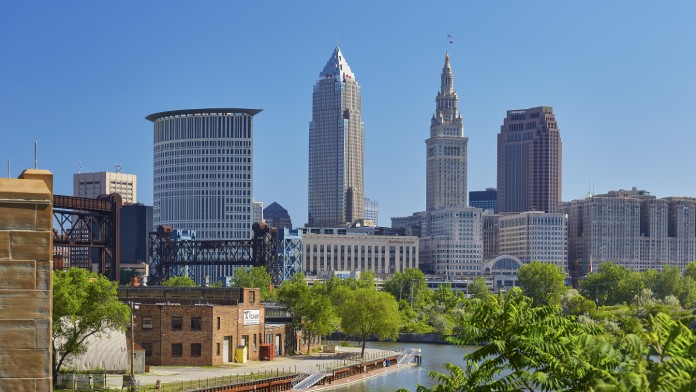
Cleveland is Ohio’s second-largest city and the seat of Cuyahoga County, a county of roughly 1.2 million residents that has been at the center of Ohio’s opioid crisis for over a decade. The metro area encompasses the city proper, its inner-ring suburbs, and communities stretching to the Lake Erie shoreline.
With 65 addiction treatment programs listed in our directory, Cleveland has one of the more developed treatment networks in the Midwest, including programs run by major health systems and longstanding community nonprofits.
The primary public body overseeing addiction services in Cuyahoga County is the Alcohol, Drug Addiction and Mental Health Services (ADAMHS) Board of Cuyahoga County, located at 2012 West 25th Street in Cleveland. The ADAMHS Board plans, funds, and monitors the county’s public behavioral health system, contracting with dozens of provider agencies across the county.
As of spring 2026, the board was undertaking a significant funding review, requiring providers to compete for contracts under new evaluation criteria tied to clinical outcomes, cultural responsiveness, and alignment with county health priorities.
Major health systems with dedicated addiction services in Cleveland include MetroHealth System, which operates an Alcohol and Drug Recovery Center (ADRC) and a new behavioral health hospital, as well as University Hospitals (UH), which offers integrated addiction and detox services and participates in harm reduction initiatives like Project DAWN.
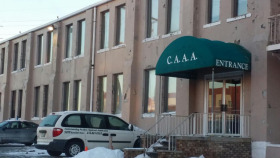
The Cleveland Clinic maintains behavioral health capacity across its broader network. These institutions anchor the clinical end of the treatment system, while community-based providers like Northern Ohio Recovery Association (NORA) and Community Action Against Addiction (CAAA) extend access deeper into neighborhoods.
Fentanyl and cocaine remain the leading causes of overdose death in Cuyahoga County as of 2024, though county data show a meaningful decline in total overdose deaths compared to prior years. Of the 65 programs in our directory, 48 treat co-occurring mental health and substance use disorders, and 41 specialize in opioid use disorder, reflecting how central polysubstance and fentanyl-related care has become to Cleveland’s treatment picture.
Geographically, facilities are spread across the city and inner suburbs. People looking for residential or inpatient care will find options both in the urban core and in suburban communities like Westlake, Beachwood, and Parma. Those who need outpatient care have the widest set of choices, with 63 programs offering some form of outpatient services.
Cost of Rehab in Cleveland
Ohio sits near the national midpoint for residential treatment costs, ranked 25th in the country for affordability according to data compiled by addictions.com. Cleveland-specific cost figures are not independently tracked at the city level, but costs in the metro area are generally in line with state averages, with some variation across facility type and whether care is delivered by a nonprofit community provider versus a private pay-focused program. The breakdown below reflects Ohio state averages and provides a useful planning baseline.
Most people in Cleveland do not pay the full list price for treatment. Of the 65 programs in our directory, 54 accept Medicaid, 46 accept private insurance, and 41 offer some form of financial assistance. Cost will depend heavily on which level of care you need, whether a program is in-network with your insurance, and how long treatment lasts.
Shorter outpatient programs are substantially less expensive than extended residential stays, and programs that accept Ohio Medicaid often have lower or no out-of-pocket costs for eligible individuals. A licensed chemical dependency counselor or intake coordinator at a treatment program can help you understand what your actual cost will be before you commit.




How to Pay for Rehab in Cleveland
Of the 65 treatment programs in Cleveland’s directory, the majority accept multiple payment types, including public insurance, private insurance, and self-pay options. Financial assistance is available at 41 programs, and 4 offer treatment at no cost. Understanding your insurance coverage before starting the admissions process will give you the clearest picture of actual out-of-pocket costs.





Ohio Medicaid
Ohio Medicaid covers a full continuum of substance use disorder treatment, including outpatient counseling, intensive outpatient programs, residential care, and medically supervised withdrawal. Ohio operates under a Section 1115 demonstration waiver for substance use disorder treatment, extended in 2024, which expands access to evidence-based care, including medication-assisted treatment with buprenorphine and methadone.
Medicaid is accepted at 54 of the 65 programs in our Cleveland directory, making it the most widely accepted payer in the network. Most programs contract with CareSource, Buckeye Health Plan, Molina Healthcare, and other managed care plans that administer Ohio Medicaid benefits.
Medicare
Medicare covers substance use disorder treatment under Part B for outpatient behavioral health services and under Part A for inpatient stays when medically necessary. Medicare beneficiaries in Cleveland can access addiction treatment at 28 programs in our directory.
Coverage is generally subject to the same deductible and coinsurance requirements as other Medicare-covered services. For specific guidance on how Medicare covers addiction treatment, including what documentation is needed, contact a Medicare counselor or the Ohio Senior Health Insurance Information Program (OSHIIP).
Private Insurance and Self-Pay
Major carriers active in the Cleveland market include Anthem Blue Cross Blue Shield of Ohio, Medical Mutual of Ohio, SummaCare, Aultcare, and UnitedHealthcare. Under federal mental health parity law, insurers must cover addiction treatment at levels comparable to medical and surgical benefits.
If you have private insurance, verify which programs are in-network before beginning treatment to avoid unexpected out-of-network costs. For those paying without insurance, 56 programs in the directory accept self-pay, and 28 offer sliding-scale fees based on income.
- Anthem Blue Cross Blue Shield of Ohio
- Medical Mutual of Ohio
- CareSource
- Buckeye Health Plan
- Molina Healthcare Ohio
- SummaCare
- UnitedHealthcare
- Aetna
- Cigna
Military Benefits
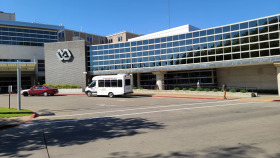
Nine programs in Cleveland accept TRICARE, which covers mental health and substance use disorder treatment for active-duty service members, veterans, and their dependents. The Louis Stokes Cleveland VA Medical Center at 10701 East Boulevard offers outpatient substance use treatment and dual diagnosis services specifically for veterans enrolled in VA care.
Veterans who do not qualify for VA services may still access civilian treatment programs with TRICARE coverage. See rehab resources for veterans and military for a broader overview of available programs and eligibility.
Free Treatment Programs
Four programs in Cleveland offer free treatment for all clients, and a larger number offer financial assistance or accept ADAMHS Board funding for clients who qualify. Programs funded through the ADAMHS Board of Cuyahoga County can reduce or eliminate costs for county residents who meet income and clinical criteria.
If cost is a barrier, ask any program’s admissions coordinator about available county funding before ruling out a program. You can also contact the ADAMHS Board directly at 216-241-3400 for a referral to publicly funded services. A broader list of scholarship and reduced-cost options is available through our addiction treatment scholarship resources.
Levels of Care Available in Cleveland
Cleveland’s 65 treatment programs cover the full continuum of care, from medically supervised detox through long-term outpatient support. The directory includes 16 detox programs, 31 inpatient facilities, 4 partial hospitalization programs, 63 outpatient clinics, 48 dual diagnosis programs, and 13 sober living homes.

Medical detox is the first step for people with physical dependence on alcohol, opioids, benzodiazepines, or other substances that produce dangerous withdrawal symptoms. Cleveland has 16 programs offering supervised medical detox, including hospital-based units and freestanding detox facilities. Medically supervised withdrawal management reduces the risks associated with stopping use and prepares a person for the next level of care.
Inpatient and residential rehab provide structured, around-the-clock treatment in a live-in setting. Cleveland’s 31 inpatient programs vary in length from 28-day short-term programs to extended 90-day and long-term residential options. Inpatient care is typically recommended for people with severe substance use disorders, unstable home environments, or co-occurring conditions that require close monitoring.
Partial hospitalization programs (PHP) offer intensive, structured treatment during the day while allowing clients to return home or to sober living in the evenings. Cleveland has 4 PHP options, generally running 5 to 6 hours per day, 5 days a week. PHP is appropriate as a step-down from inpatient care or as a primary level of care for people who need more structure than standard outpatient.
Outpatient treatment is available at 63 programs in Cleveland, making it by far the most accessible level of care in the city. Standard outpatient typically involves individual counseling, group therapy, and case management scheduled around work and family commitments. Outpatient works well for people in stable living situations with moderate-severity substance use disorders or as continuing care after a higher level of treatment. For more on how outpatient compares to residential care, see our guide to outpatient rehab options.
Dual diagnosis programs address both a substance use disorder and a co-occurring mental health condition simultaneously. With 48 dual diagnosis programs, Cleveland’s treatment network has significant capacity for integrated care. Research consistently shows that treating both conditions together leads to better outcomes than addressing them in sequence. Common co-occurring conditions include depression and anxiety disorders.
Sober living homes provide structured, substance-free housing as a bridge between treatment and independent living. Cleveland has 13 sober living programs in our directory. These homes are typically not clinical programs but offer peer accountability, house rules, and sometimes peer recovery support services. Many residents continue outpatient treatment or participate in community recovery supports while living in sober housing. For what to expect after treatment, see our overview of aftercare and continuing recovery.
Specialty Programs in Cleveland
Cleveland’s treatment network includes programs tailored to specific populations, including women, men, LGBTQ+ individuals, young adults, veterans, older adults, and those with alcohol or opioid use disorders. The counts below reflect programs in our directory that identify a given specialty as a focus area.






Cleveland has 10 programs that identify as LGBTQ+ affirming, including MetroHealth’s Pride Network, which provides integrated primary care and behavioral health services tailored to the LGBTQ+ community.
The Pride Network’s clinics can prescribe and manage medications for opioid and alcohol use disorders within an affirming care model. MetroHealth’s behavioral health team can be reached at 216-957-4905. For a broader guide to LGBTQ+ affirming addiction care, including what to look for in a program, see our dedicated resource page.
Veterans with substance use disorders can access care through the Louis Stokes Cleveland VA Medical Center, which offers outpatient addiction treatment, detoxification, buprenorphine and methadone maintenance, and dual diagnosis services.
The VA program is available to enrolled veterans. Four programs in our directory identify veterans and military service members as a primary population. Our guide to rehab resources for veterans and military covers eligibility, the VA’s SUD treatment programs, and civilian options for those who prefer non-VA care.
Cleveland has 41 programs specializing in opioid use disorder, including multiple methadone clinics and buprenorphine-prescribing outpatient providers. Community Action Against Addiction (CAAA) at 5209 Euclid Avenue is one of Cleveland’s established CARF-accredited opioid treatment programs, offering medication-assisted treatment and behavioral therapy. Programs specializing in alcohol use disorder number 47 in the directory, with representation across all levels of care.
Free and Low-Cost Rehab Resources in Cleveland
Cuyahoga County has a relatively well-developed network of publicly funded, low-cost, and harm-reduction resources. The ADAMHS Board of Cuyahoga County funds dozens of provider agencies, and several community organizations offer services regardless of ability to pay. The resources below are organized by category and include verified contact information.
Crisis Lines
If you or someone you know is in a mental health or addiction crisis, immediate support is available through several lines. Calling or texting 988 in Cuyahoga County routes to FrontLine Service, a local nonprofit behavioral health center that operates the county’s 24/7 crisis services. For crisis support and suicide prevention resources, the 988 Lifeline provides free, confidential connections to trained counselors any time of day.
- 988 Suicide and Crisis Lifeline – Call or text 988. For Cuyahoga County callers, 988 is answered by FrontLine Service. LGBTQ+ callers under 25 can dial 988 and press 3. Veterans can press 1. Available 24/7. frontlineservice.org
- ADAMHS Crisis and Referral Hotline – 216-623-6888. The 24-hour Cuyahoga County crisis, addiction, and mental health information line, also operated by FrontLine Service. Connects callers to crisis counselors, the mobile response team, and referrals to community services. https://www.adamhscc.org/resources/finding-help/by-service/crisis-services
- ADAMHS Warm Line – 440-886-5950. A peer-staffed line for people who need a listening ear but are not in immediate crisis. Available 24 hours. https://www.adamhscc.org/resources/finding-help/by-service/crisis-services
- SAMHSA National Helpline – 1-800-662-4357. Free, confidential, 24/7 treatment referral and information service. Available in English and Spanish. samhsa.gov
- Never Use Alone Hotline – 1-800-484-3731. For people using substances alone who want someone on the line to call 911 if needed. Available 24/7. https://neverusealone.com/contact/
County Health Department and Behavioral Health
- ADAMHS Board of Cuyahoga County – 2012 West 25th Street, Cleveland, OH 44113. 216-241-3400. Plans, funds, and monitors public addiction and mental health services across Cuyahoga County. Call for referrals to county-funded programs. adamhscc.org
- Cuyahoga County Board of Health (CCBH) – 5550 Venture Drive, Parma, OH 44130. 216-201-2000. Tracks overdose data and coordinates public health response to the opioid crisis. ccbh.net
- United Way 2-1-1 – Dial 211. Connects Cuyahoga County residents to social services, including substance use treatment, housing, food, and employment support. Free, confidential, and available 24/7. https://www.unitedwaycleveland.org/our-work/united-way-211/
Community and Nonprofit Providers
- Northern Ohio Recovery Association (NORA) – 1400 East 55th Street, Cleveland, OH 44103. 216-391-6672. Community-based substance use care for adults and adolescents, including outpatient treatment, a women’s residential program, medication-assisted treatment, peer recovery services, and sober housing. No client is turned away for lack of funds. norainc.org
- Community Action Against Addiction (CAAA) – 5209 Euclid Avenue, Cleveland, OH 44103. 216-881-0765. CARF-accredited opioid treatment program providing MAT with methadone and buprenorphine, behavioral therapy, and case management. Accepts Medicaid. caaaddiction.org
- FrontLine Service – 1744 Payne Avenue, Cleveland, OH 44114. 216-623-6555. Operates crisis services, supportive housing, and outreach programs for people experiencing homelessness and co-occurring mental health and substance use disorders. frontlineservice.org
Harm Reduction
- Project DAWN (Deaths Avoided With Naloxone) – Multiple Cleveland locations. Free naloxone kits and fentanyl test strips are available at several sites across the city, as well as through five naloxone vending machines maintained by the ADAMHS Board. To find the nearest distribution site, visit the Project DAWN dashboard. odh.ohio.gov
- Harm Reduction Ohio – Provides naloxone mailing and a statewide map of syringe service programs and harm reduction resources. Order free naloxone at harmreductionohio.org
- MetroHealth Office of Opioid Safety – 3370 West 25th Street, Cleveland, OH 44109. 216-387-6290. Mobile harm reduction unit with weekday hours, offering naloxone education and kits, and syringe services. metrohealth.org
VA and Military Resources
- Louis Stokes Cleveland VA Medical Center – 10701 East Boulevard, Cleveland, OH 44106. 216-791-3800. Substance use disorder treatment including outpatient services, detox, buprenorphine and methadone maintenance, and dual diagnosis programs for enrolled veterans. cleveland.va.gov
Government and Medicaid Resources
- Ohio Department of Behavioral Health (DBH) – Provides statewide oversight of behavioral health services and maintains a searchable provider directory. dbh.ohio.gov
- Cuyahoga County Department of Health and Human Services – Administers county social services, including eligibility screening for Medicaid. cuyahogacounty.gov
Drug and Alcohol Use Statistics in Cleveland
Cuyahoga County recorded 435 overdose deaths in 2024, a substantial decline from 469 deaths in 2023 and even sharper reductions from the crisis peaks of earlier years, according to data from the Cuyahoga County Medical Examiner’s Office. Fentanyl remains the leading cause of death, though fentanyl-specific fatalities have trended downward in the county alongside national patterns.
These numbers reflect both the ongoing severity of the crisis and a measurable response to expanded opioid use disorder treatment and naloxone access across Northeast Ohio.
Despite the positive trend in overdose deaths, Cuyahoga County Medical Examiner Dr. Thomas Gilson has cautioned against claiming victory, noting that the drug supply continues to shift and that fentanyl is increasingly being combined with cocaine and other substances.
Cocaine was the second most common drug present in Cuyahoga County overdose deaths as of the 2024 reporting. Ohio distributed over 291,000 naloxone kits statewide in 2023, a 520% increase since 2019, facilitating more than 20,000 known overdose reversals. Cuyahoga County was an early adopter of naloxone vending machines and broad community distribution, and that infrastructure remains active across Cleveland. For the national context, see our substance use statistics page.
Resources
- Cuyahoga County Medical Examiner’s Office. (2025). Overdose surveillance data, Cuyahoga County. Referenced via Spectrum News 1. https://spectrumnews1.com/oh/columbus/news/2025/08/13/fentanyl-fatalities-trend-downwards
- Centers for Disease Control and Prevention / Spectrum News 1. (2025). Fentanyl overdose deaths down in Cuyahoga County, mirroring a national trend. https://spectrumnews1.com/oh/columbus/news/2025/08/13/fentanyl-fatalities-trend-downwards
- Health Policy Institute of Ohio. (2025). Access to mental health and substance use disorder treatment: 2025 Ohio Medicaid Expansion Study. https://www.healthpolicyohio.org/our-work/publications/access-to-mental-health-and-substance-use-disorder-treatment
- Ohio Department of Health. (2024). 2023 Ohio drug overdose data: General findings. Referenced via Health Policy Institute of Ohio, 2025. https://odh.ohio.gov/know-our-programs/violence-injury-prevention-program/drug-overdose/
- Cuyahoga County. (2025). Cuyahoga County commits $7 million to support new behavioral crisis center. https://cuyahogacounty.gov/county-news/county-news-detail/2025/07/07/cuyahoga-county-commits-7-million-to-support-new-behavioral-crisis-center
- ADAMHS Board of Cuyahoga County. (2024). Harm reduction resources: How to access free naloxone. https://www.adamhscc.org/resources/finding-help/by-service/harm-reduction
- ADAMHS Board of Cuyahoga County. (2024). Crisis services. https://www.adamhscc.org/resources/finding-help/by-service/crisis-services
- FrontLine Service. (2022). 988 Suicide and Crisis Lifeline: FrontLine Service as Cuyahoga County crisis center. https://www.frontlineservice.org/988
- Ohio Department of Medicaid. (2024). Substance Use Disorder Section 1115 Demonstration Waiver. https://medicaid.ohio.gov/resources-for-providers/bh/sud-1115-sub/sud-1115
- Ohio Department of Health / RecreateOhio. (2025). Addiction treatment statistics in Ohio. https://www.recreateohio.com/addiction-treatment-statistics-in-ohio/
- MetroHealth System. (2024). LGBTQ+ behavioral health services and Pride Network. https://www.metrohealth.org/en/medical-services/lgbtq-medicine/behavioral-health/
- Northern Ohio Recovery Association (NORA). (2025). Programs and services.https://norainc.org
- Signal Cleveland. (2026). New process to fund mental health and addiction services in Cuyahoga County. https://signalcleveland.org/new-process-to-fund-mental-health-addiction-services-cuyahoga-county/