

Expert Insights
Ten states, including Missouri, were recently selected to be part of a mental health and addiction initiative created by the Excellence in Mental Health and Addiction Treatment Act.
The clinics provide community mental health and addiction services through Medicaid. These certified community behavioral health clinics provide comprehensive services, including 24/7 crisis services, outpatient Mental Health services, substance abuse treatment services, addiction risk assessments, diagnoses and care coordination with local resources.
This can only be helpful, in my opinion, as it is a sad fact that accessing addiction treatment and mental health services is difficult, at best, for uninsured, low-income members of the community.
How We Rank Listings
Every facility on this page is a licensed or accredited provider, and the order in which listings appear is designed to help you compare real options rather than reward advertising spend.
We prioritize centers that hold independent accreditation, publish clear information about the levels of care they offer and accept a range of payment types so that cost is less likely to become a barrier.
Our listings draw on facility data verified through public treatment locators, including SAMHSA’s national directory, along with state licensing records. We weigh accreditation from The Joint Commission and CARF, the levels of care available on site, accepted insurance and payment options and the specialty programs each center runs.
We do not accept payment in exchange for a higher position, and paid placements are always labeled as such.
Rehab in Springfield: What to Know
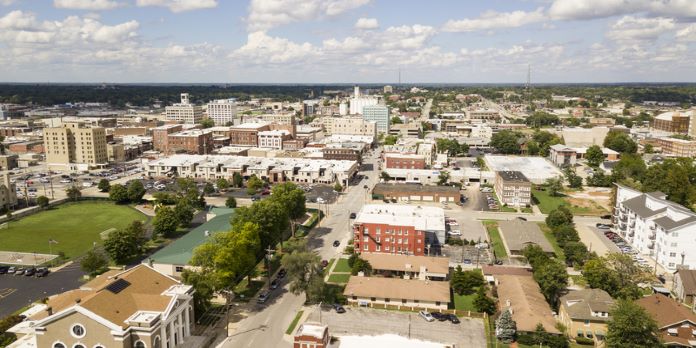
Springfield is the seat of Greene County and the largest city in southwest Missouri, anchoring a metro area of nearly half a million people across the Ozarks region.
The Springfield rehab directory currently lists 28 treatment facilities, and the surrounding region feeds into a broader network of care covered on the Missouri state directory.
For a city its size, Springfield carries a heavier substance use burden than the state average, which shapes both the demand for treatment and the local response.
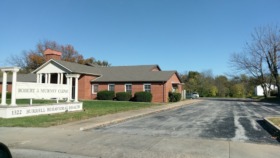
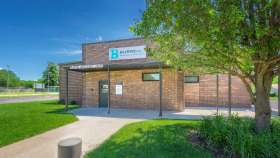
Much of the region’s behavioral health capacity runs through Burrell Behavioral Health, a certified community behavioral health provider that operates outpatient clinics, medication-assisted treatment and a behavioral crisis center serving adults and youth across the Springfield area.
Local addiction treatment options also include private outpatient practices and residential programs, though inpatient beds in the immediate area are limited relative to demand, and some residents travel to Kansas City, Columbia, or St. Louis for higher levels of care.
Two substance use patterns stand out locally. Southwest Missouri has long carried what the regional medical examiner’s office has described as a persistent culture of methamphetamine use, and in recent years the meth supply has increasingly been mixed with illicit fentanyl.
Greene County has also felt the national opioid crisis directly. In 2024, local health officials tracked 68 overdoses, with two resulting in death. While still tragic, these numbers reflect a 48% decrease from 2021 to 2025.
Fentanyl now drives the majority of the county’s fatal overdoses, a shift that has pushed naloxone distribution and harm reduction to the center of the local conversation.
For families beginning a search for treatment, the practical picture includes a solid base of outpatient and co-occurring care, a growing set of harm reduction resources and a smaller number of detox and residential options that fill quickly. Understanding what is available locally, and where the gaps are, helps you plan the next step with realistic expectations.




Cost of Rehab in Springfield
Treatment cost is one of the first questions most families ask, and the honest answer is that it varies widely depending on the level of care, program length and whether insurance is involved. Springfield does not publish a separate local cost average, so the most reliable anchor is statewide Missouri data.
As a regional city with a lower cost of living than Kansas City or St. Louis, Springfield’s private-pay prices tend to sit at or below these state averages, though the range within any single level of care is large.
These figures represent full episodes of care at the higher end of intensity. Keep in mind that most people never pay the sticker price out of pocket. Insurance, Medicaid, sliding-scale fees and financial assistance all bring the real cost down substantially.
Before ruling out any option on price alone, it is worth verifying your rehab benefits, since the difference between an in-network and out-of-network facility can be dramatic.



How to Pay for Rehab in Springfield
Across the 28 facilities in the Springfield area, providers accept a mix of payment types designed to widen access. Most centers take self-payment and private insurance, and a strong majority work with public programs like MO HealthNet and Medicare.
Sliding-scale fees and financial assistance are common, which matters in a region where cost is a frequent barrier to care.






Which of these applies to you depends on your coverage and situation. The breakdown below explains how the main payment paths work for Springfield residents.
Medicare
Medicare covers addiction treatment for eligible adults, including inpatient care, outpatient services and counseling. Thirteen Springfield-area facilities accept Medicare. Coverage details, copays and prior-authorization rules vary by plan, so it helps to understand how Medicare covers addiction treatment before you enroll in a program.
Medicaid
Missouri’s Medicaid program is called MO HealthNet, and its substance use benefits are delivered largely through the Comprehensive Substance Treatment and Rehabilitation (CSTAR) program, which covers detox, outpatient services, day treatment and case management across the continuum of care. Sixteen facilities in the Springfield area accept MO HealthNet.
If opioid use disorder is part of the picture, MO HealthNet also covers medication-assisted treatment, and several local providers follow a medication-first model that can start MAT within a day or two of an initial visit.
Military Benefits
Six Springfield-area facilities accept TRICARE, which covers active-duty service members, retirees and eligible dependents. Veterans in the region can also access care through the VA system, and dedicated resources for veterans and military families outline how these benefits work alongside civilian treatment options.
Insurance and Private Pay
Twenty-three facilities accept private health insurance, and 24 accept self-payment. Under federal parity law, most commercial plans must cover substance use treatment comparably to other medical care.
If you are paying out of pocket, ask each facility about total program cost, payment plans and any sliding-scale eligibility before committing. Many Springfield facilities accept the following major insurance carriers:
- Aetna
- Anthem Blue Cross Blue Shield
- Cigna
- Humana
- MO HealthNet
- Medicare
- TRICARE
- UnitedHealthcare
Other Low-Cost Options
Fourteen Springfield-area facilities offer sliding-scale fees and 11 offer financial assistance, both of which adjust cost based on income. Nine facilities offer financing to spread payments over time. These options can make treatment reachable even without robust insurance.
Free Treatment Programs
While no listed Springfield facility offers fully free treatment to all clients, some state-funded and grant-supported programs reduce or eliminate cost for those who qualify. It is also worth exploring whether a rehab scholarship could help cover the gap, particularly for residential care that public programs do not fully fund.
Levels of Care Available in Springfield
Springfield’s 28 facilities span the treatment continuum, with particular depth in outpatient and co-occurring care. The area lists 9 detox providers, 11 inpatient programs and 26 outpatient clinics, along with 17 programs equipped for dual diagnosis. The cards below show what is available locally.





Medical detox is usually the first step for anyone with significant physical dependence on alcohol, opioids or benzodiazepines. Nine local facilities provide supervised detox, where withdrawal is managed safely under medical supervision. Detox is a stabilization phase, not a standalone treatment, and it works best when it leads directly into ongoing care.
Inpatient and residential care gives people a structured, live-in environment away from daily triggers. Eleven Springfield-area programs offer residential treatment, which tends to suit more severe cases, repeat relapses or situations where the home environment is unstable. Local residential capacity is limited, so it is worth calling early about availability.
Outpatient care is the deepest part of Springfield’s treatment landscape, with 26 clinics offering it. Outpatient rehab and intensive outpatient programs let people live at home and keep working or caring for family while attending scheduled treatment. For many, it is a step-down from residential care or a first option for milder cases.
Dual diagnosis care addresses substance use alongside conditions like depression or anxiety. Seventeen local programs are set up for co-occurring treatment, which is important because untreated mental health conditions are one of the most common drivers of relapse.
Medication-assisted treatment combines FDA-approved medications like buprenorphine and methadone with counseling, and several Springfield providers run MAT clinics with same-week intake.
Recovery does not end when a program does, and continuing care through sober living, outpatient follow-up and peer support helps protect early progress. Two local sober living homes provide a structured bridge back to independent life.
Specialty Programs in Springfield
Beyond level of care, many Springfield facilities tailor treatment to specific populations and substances. Programs for men and women make up the bulk of the local landscape, and both alcohol and opioid treatment are widely available given the region’s substance use patterns.






Twenty-seven facilities treat alcohol use disorder, the most common target of treatment locally, while 22 address opioid use disorder, reflecting the fentanyl-driven overdose trend in Greene County. Two facilities offer LGBTQ+ affirming addiction care, and two provide programming built around the needs of veterans, which pairs with the rehab resources for veterans and military families noted above.
Programs for young adults and older adults round out the local specialty options, so most people can find care matched to their stage of life.
Free and Low-Cost Rehab Resources in Springfield
Cost and insurance gaps should not stop anyone from getting help, and Springfield has a real network of free and reduced-cost resources. The organizations below range from 24/7 crisis lines to local harm reduction and behavioral health services.
When in crisis, start with the national lines, then work toward local providers for ongoing care and crisis support.
Crisis and Helplines
- 988 Suicide and Crisis Lifeline
https://988lifeline.org/
Free, confidential, 24/7 support for mental health or substance use crises. - SAMHSA National Helpline
https://www.samhsa.gov/find-help/helplines/national-helpline
Free, confidential, 24/7 treatment referral and information service. - Burrell Behavioral Health Crisis Line
https://www.burrellcenter.com/our-services/crisis-intervention
Regional 24/7 behavioral health crisis support for the Springfield area.
County Health and Behavioral Health
- Springfield-Greene County Health Department
https://health.springfieldmo.gov/5633/Health
A state naloxone distribution site offering overdose prevention resources and public health support. - Burrell Behavioral Health:
https://www.burrellcenter.com/
A certified community behavioral health provider offering outpatient treatment, medication-assisted treatment and crisis stabilization on a sliding-scale and Medicaid-accepting basis.
Harm Reduction
- Assemblies of God-area harm reduction partners and the Community Partnership of the Ozarks
https://cpozarks.org/
Distributes naloxone (Narcan) and harm reduction supplies across southwest Missouri; regional partners have distributed thousands of naloxone units and maintain supply vending machines and porch boxes. - Revive app
A free app providing step-by-step overdose rescue instructions and a map of where to access naloxone in Greene County, available in the App Store and Google Play.
Government and Medicaid
- MO HealthNet (Missouri Medicaid)
https://dss.mo.gov/fsd
Covers substance use treatment through the CSTAR program for eligible residents. - Missouri 211
https://search.211helps.org/
Connect with local health, housing and social service referrals across the Ozarks region.
Peer Support
- Drug Free Ozarks
https://drugfreeozarks.org/
Maintains a directory of Greene County substance use treatment and recovery support resources, including local mutual-aid meetings. - Alcoholics Anonymous and Narcotics Anonymous
Both hold regular meetings throughout the Springfield area; local schedules are available through their regional intergroup and area service offices.
Drug and Alcohol Use Statistics in Springfield
Greene County’s overdose numbers tell a story of a crisis that has stabilized at a high level rather than receded. In 2023, the county recorded 113 overdose deaths, and fentanyl has continued to drive the majority of fatal overdoses since.
The figures below capture the local picture, alongside the meth-and-fentanyl mixing pattern that public health and law enforcement officials describe as distinctive to southwest Missouri.
Two local dynamics sit behind these numbers. Southwest Missouri retains what the regional medical examiner has called a strong culture of methamphetamine use, and that meth supply is increasingly cut or combined with illicit fentanyl, raising overdose risk for people who may not know fentanyl is present.
At the same time, wider availability of naloxone through the county health department and regional harm reduction partners has helped hold overdose deaths roughly steady even as nonfatal overdoses rose. These figures are driven largely by opioids, and national context is available through the National Substance Use Statistics Overview.
Resources
- Addictions.com. (2024). Alcohol and Drug Rehabs in Missouri. https://www.addictions.com/rehabs/missouri/
- City of Springfield, MO. (2023). Preventing Overdose / Substance Use. https://www.springfieldmo.gov/3605/Substance-Use
- Herald-Standard. (2025). Coroner: Drug overdose deaths in Greene County ‘stabilized’ in 2024. https://www.heraldstandard.com/news/local_news/2025/feb/22/coroner-drug-overdose-deaths-in-greene-county-stabilized-in-2024/
- KSMU (Ozarks Public Radio). (2024). APO brings harm reduction resources to the Ozarks. https://www.ksmu.org/news/2024-02-28/apo-brings-harm-reduction-resources-to-the-ozarks
- KSMU (Ozarks Public Radio). (2024). Drug overdoses in Springfield are up, says SPD, but deaths are down. https://www.ksmu.org/news/2024-08-22/drug-overdoses-in-springfield-are-up-says-spd-but-deaths-are-down
- Missouri Department of Health and Senior Services. (2022). Drug Overdose Dashboard. https://health.mo.gov/data/opioids/
- Missouri Department of Mental Health. (2025). Information for Providers: CSTAR and MO HealthNet. https://dmh.mo.gov/alcohol-drug/provider-info
- Drug Free Ozarks. (2022). Greene County Substance Use Treatment and Recovery Support Resources. https://drugfreeozarks.org/greene-county-substance-use-treatment-recovery-support-resources/
- Substance Abuse and Mental Health Services Administration. (2024). Findtreatment.gov and National Helpline. https://www.samhsa.gov/find-help/national-helpline