

Eden House
Minneapolis, MN
55404

Find trusted Minneapolis, Minnesota treatment programs offering alcohol rehab, drug detox, inpatient recovery, and dual diagnosis care. Explore counseling, outpatient therapy, and long-term support for addiction and mental health.
 800-785-0495
 Sponsored
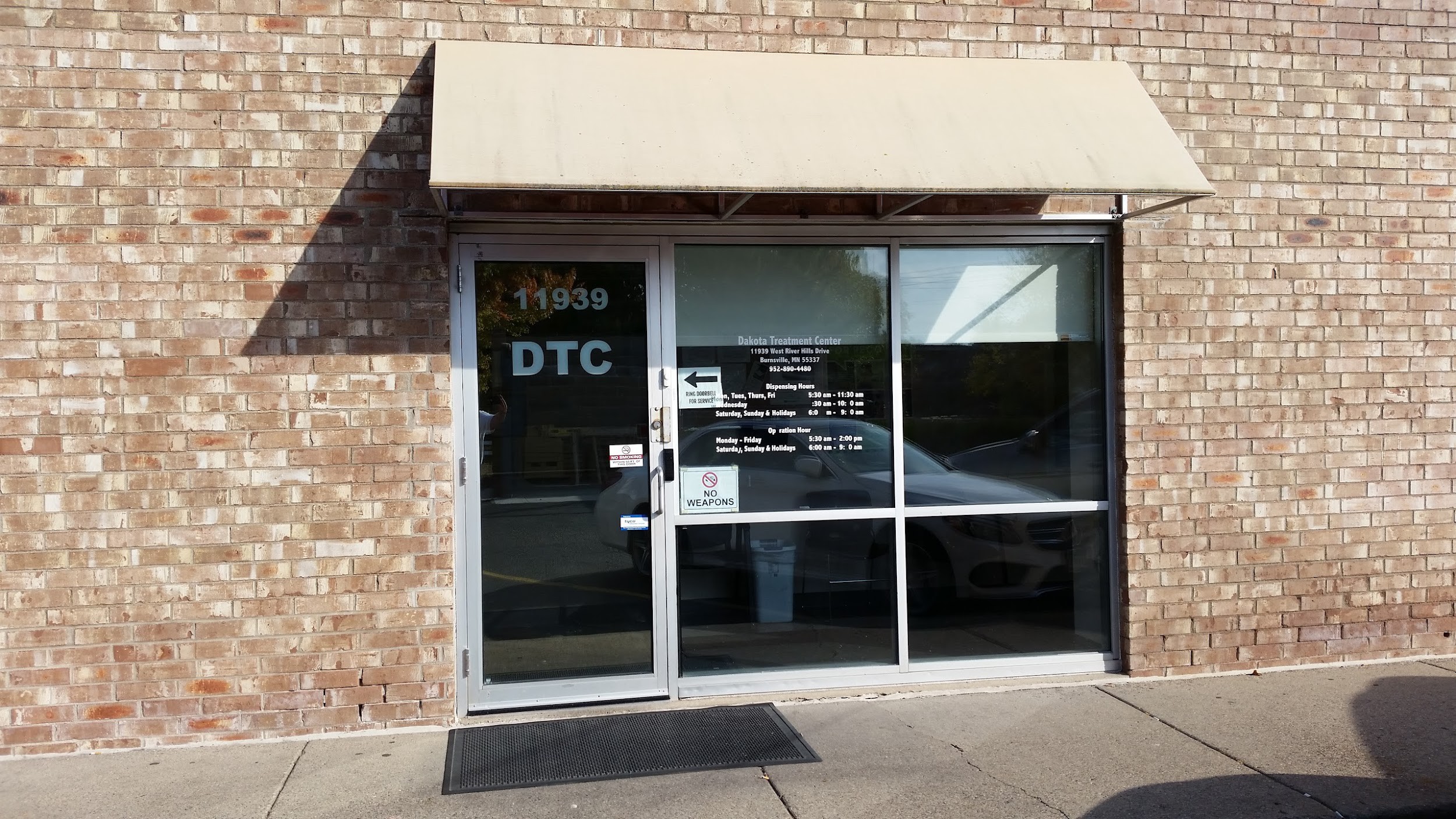
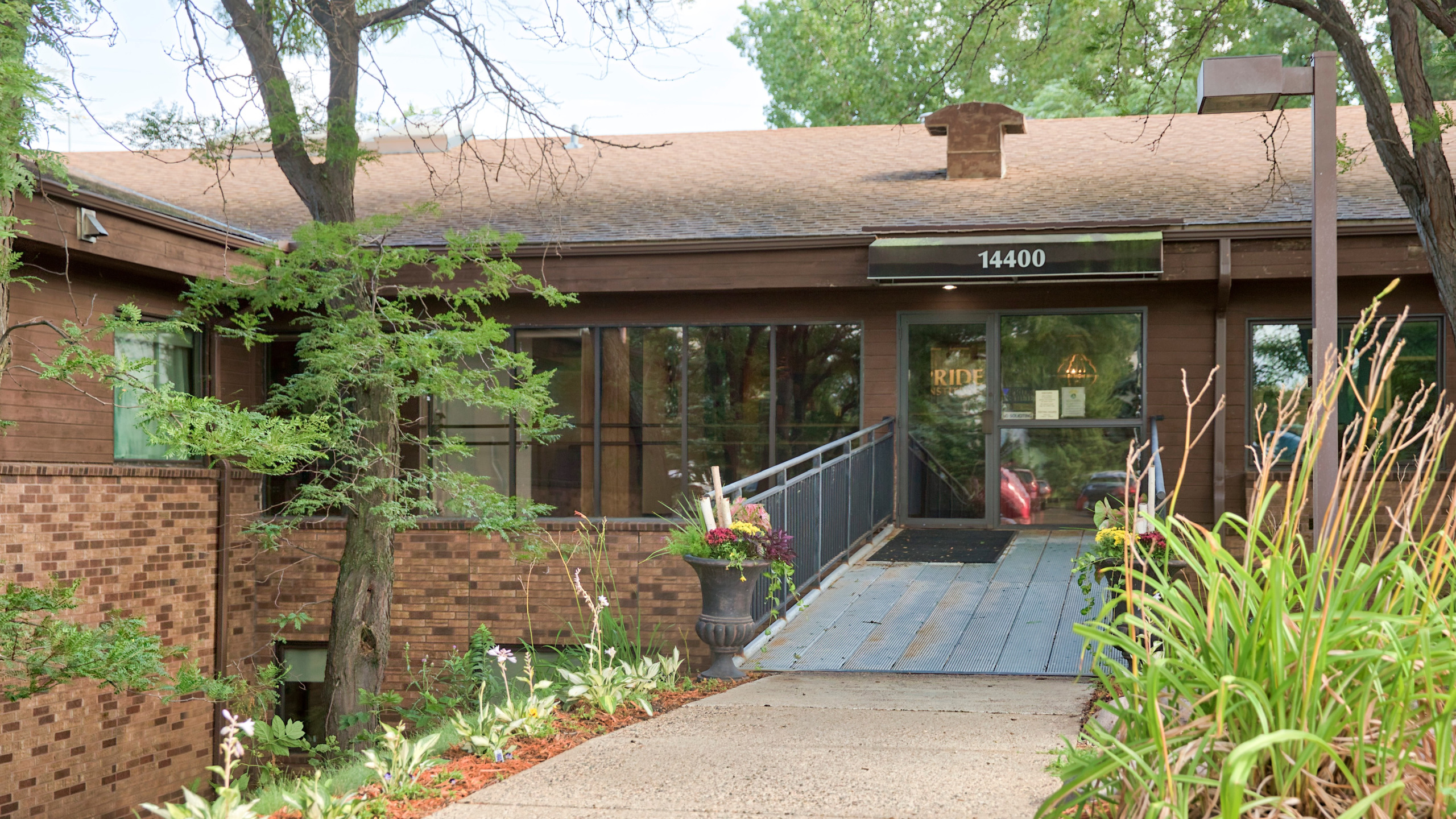
 Close
Close| Thumbnail | Name | Address | Phone | Treatment | Insurance |
|---|---|---|---|---|---|
|
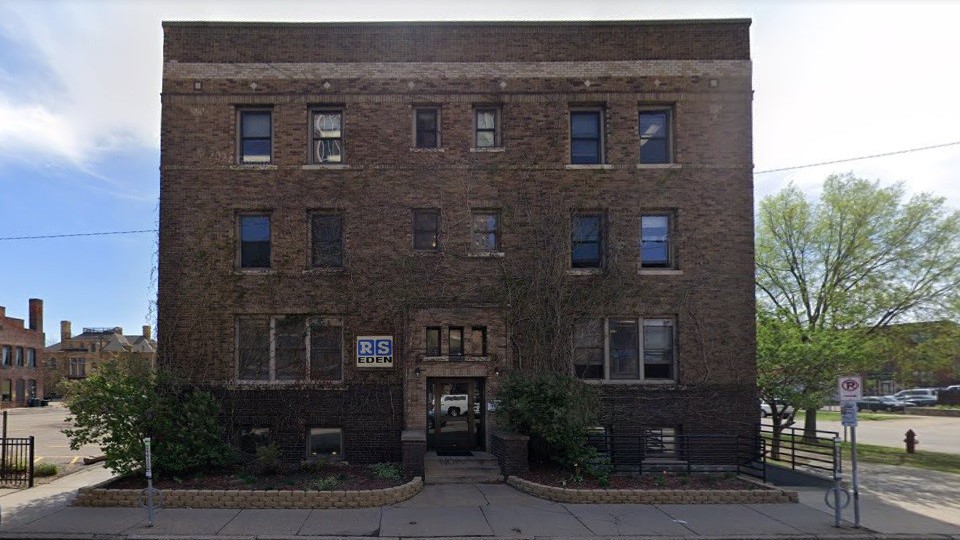
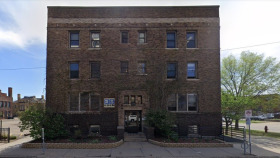
Eden House |
1025 Portland Avenue, Minneapolis, MN 55404 Located in Minneapolis, Minnesota, Eden House is part of RS Eden, and they are specifically a residential treatment center that focuses on providing aid to adults in recovery from substance use disorders and mental health... |
(612) 338-0723 | Detox Inpatient Outpatient | Medicaid Private |
|
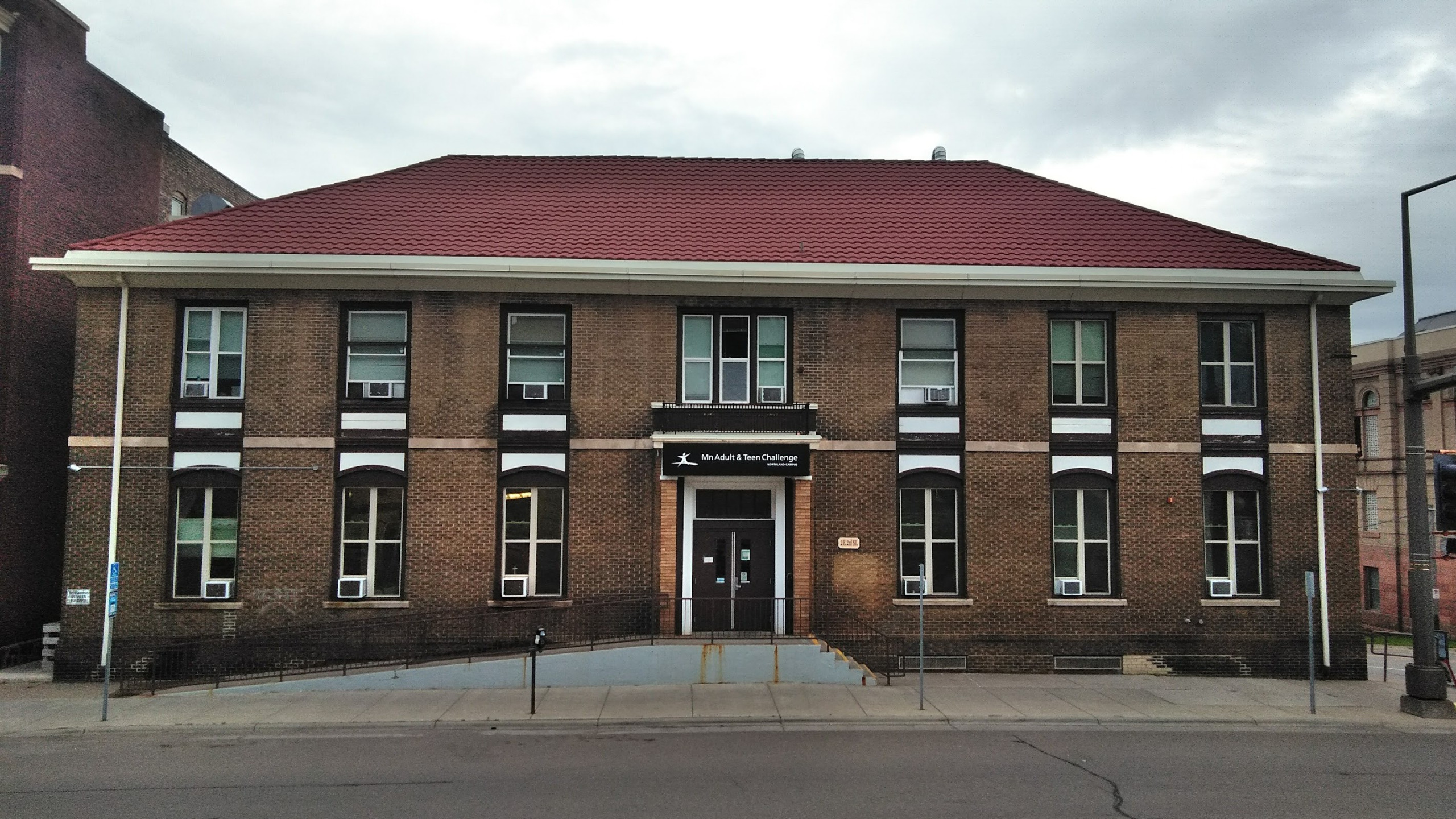
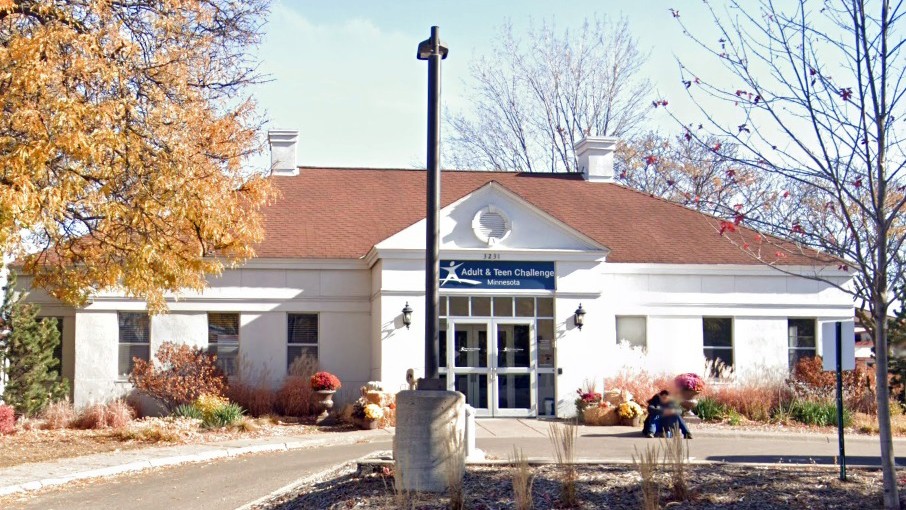
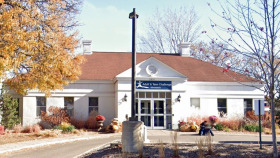
Minnesota Adult and Teen Challenge Intake Minneapolis |
3231 1st Avenue South Minneapolis, MN 55408 Tucked away on 1st Avenue South in Minneapolis, Minnesota, Adult and Teen Challenge offers treatment programs to help individuals on the path to recovery from substance use or mental health disorders. It’s a place where... |
612-373-3366 | Inpatient | Medicaid Private |
|
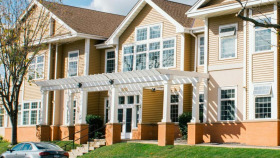
Turning Point |
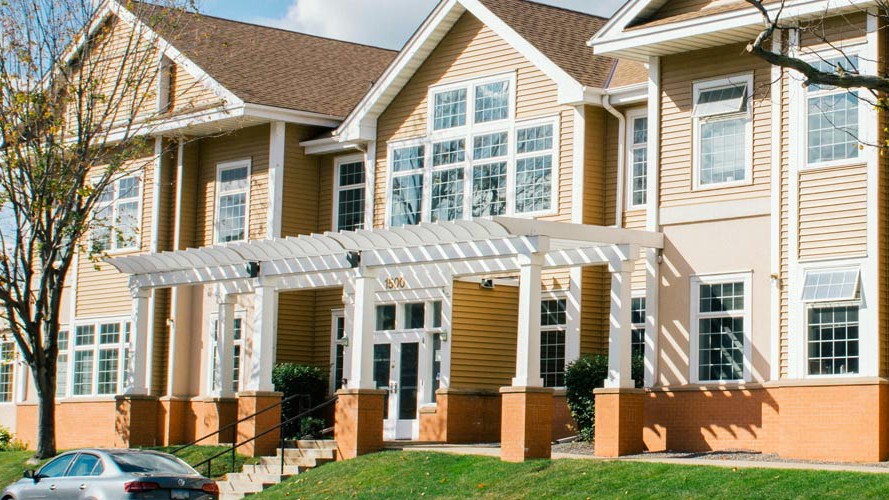
1500 Golden Valley Road Minneapolis, MN 55411 Turning Point is located in Minneapolis, Minnesota. This is a drug addiction recovery program that specializes in supporting African American men who are struggling with drug, alcohol, or chemical abuse disorders. They have an intentional... |
612-520-4004 | Inpatient Outpatient | Medicaid Private |
|
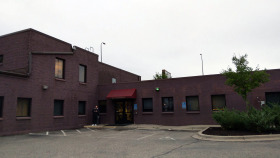
Specialized Treatment Services Central |
1132 Central Avenue Northeast Minneapolis, MN 55413 Specialized Treatment Services Central is an outpatient substance use treatment provider in Minneapolis, Minnesota that specializes in opioid use disorder. The team offers a continuum of care to support ongoing recovery. Clients may benefit from... |
612-236-1700 | Detox Outpatient | Private |
|
|
Fairview Recovery Services Minneapolis |
2450 Riverside Ave Minneapolis, MN 55454 Fairview Recovery Services at Minneapolis University of Minnesota Medical Center in Minneapolis, Minnesota, offers treatment and mental health therapy for all ages and all emotional or psychological conditions. There are child and adolescent inpatient, intensive... |
612-672-2736 | Detox Inpatient Outpatient | Private |
|
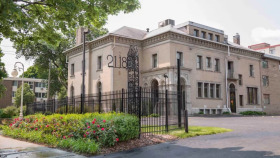
2118 Nuway Counseling Center |
2118 Blaisdell Avenue South Minneapolis, MN 55404 |
612-235-4677 | Outpatient | Medicaid Private |
|
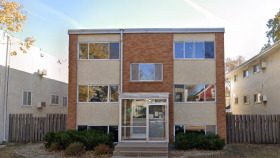
Progress Valley Mens Program |
3033 Garfield Avenue Minneapolis, MN 55408 |
612-345-4227 | Detox Inpatient Outpatient | Medicaid Private |
|
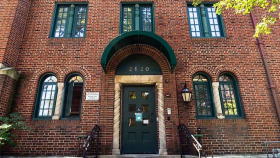
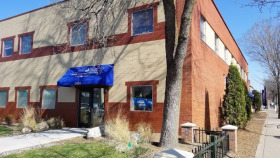
Wayside Family Treatment Center |
2120 Clinton Ave Minneapolis, MN 55404 |
612-871-0099 | Detox Inpatient Outpatient | Private |
|
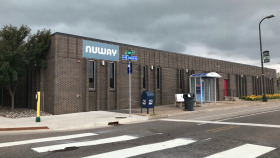
Park Avenue Center Mens Programs and Assessments |
2430 Nicollet Ave Minneapolis, MN |
612-871-7443 | Detox Inpatient Outpatient | Private |
|
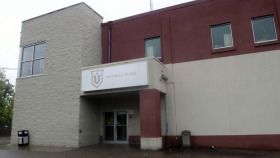
NUWAY 3Rs Counseling Center |
1404 Central Avenue Northeast Minneapolis, MN 55413 |
612-789-8030 | Outpatient | Private |
|
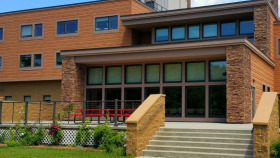
Valhalla Place Minneapolis |
3329 University Avenue Southeast Minneapolis, MN 55414 |
612-454-2260 | Detox Outpatient | Private |
|
Vinland National Center Outpatient Chemical Health Program |
931 20th Avenue Northeast Minneapolis, MN 55418 |
763-479-3555 | Outpatient | Private |

|
Pride Institute Outpatient Services |
2101 Hennepin Avenue Suite 202 Minneapolis, MN 55405 |
800-547-7433 | Outpatient | Medicaid Private |
|
Park Avenue Center Womens Programs |
2318 Park Ave Minneapolis, MN |
612-871-7443 | Detox Inpatient Outpatient | Private |
|
|
Alliance Clinic |
3329 University Ave SE Minneapolis, MN 55414 |
877-367-1715 | Detox Inpatient Outpatient | Private |
|
Micah House |
1523 Nicollet Avenue Minneapolis, MN 55403 |
612-314-2460 | Inpatient Outpatient | Private |
|
Fairview Health Services |
2450 Riverside Avenue Minneapolis, MN 55454 |
612-672-7272 | Detox Inpatient Outpatient | Medicaid Private |
|
Hennepin Healthcare |
701 Park Avenue Minneapolis, MN 55404 |
612-873-3000 | Inpatient Outpatient | Medicaid Private |
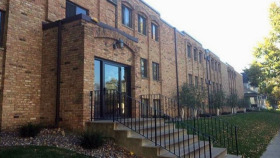
|
Park Avenue Center |
2649 Park Avenue South Minneapolis, MN 55407 |
612-871-7443 | Detox Outpatient | Private |
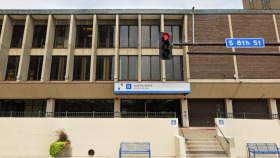
|
Hennepin County Medical Center Addiction Medicine Program |
914 S 8th St Minneapolis, MN 55404 |
612-873-5566 | Detox Inpatient Outpatient | Private |
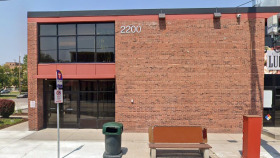
|
CREATE Inc Minneapolis |
2200 East Franklin Avenue Suite 200A Minneapolis, MN 55124 |
612-874-9811 | Outpatient | Medicaid Private |
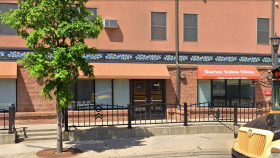
|
AICDC American Indian Community Development Corporation |
1508 East Franklin Avenue Minneapolis, MN 55404 |
Detox Inpatient Outpatient | Free | |
|
BHSI Golden Valley |
8441 Wayzata Boulevard Suite 140 Minneapolis, MN 55426 |
Outpatient | Medicaid Private |
View more listings near Minneapolis or search by the letter of cities in Minnesota.
Expert Insights
Minnesota has some of the highest binge drinking rates in the nation. And in 2020, more than 43,000 emergency room visits in the state were related to alcohol use.
Fortunately, help is available for those who are struggling with substance abuse in Minneapolis. There are 42 substance use treatment facilities within the city limits. Unfortunately, only one of these facilities offers free treatment. Outpatient rehab averages around $1,700. Since the median income in Minneapolis is $70,099, these services may be affordable for some, but residential rehab costs more than $56,000 on average.
Policies need to be put in place to make this much-needed treatment more accessible for the residents of Minneapolis.
Every facility in this directory is included on the basis of verifiable, objective criteria, not paid placement. We prioritize programs that hold current state licensure through the Minnesota Department of Human Services and, where applicable, national accreditation from The Joint Commission or CARF. We also factor in the range of care each program offers, the substances and populations it is equipped to serve, and the payment options it accepts so that people can compare rehabs on the terms that matter most to them.
Listings reflect information reported by facilities and cross-checked against public licensing and accreditation records. We update the directory regularly as programs open, close, or change their services. When a detail cannot be confirmed from a reliable source, we leave it out rather than guess. Our goal is a clear, honest picture of local treatment options that helps you take the next step with confidence.
Minneapolis is the county seat of Hennepin County and, with roughly 435,000 residents, the largest city in Minnesota. Together with neighboring St. Paul, it anchors the Twin Cities metro area of about 3.7 million people, and it holds the deepest concentration of addiction treatment in Minnesota.
There are 56 substance use treatment facilities within reach of the city, spanning medical detox, residential care, outpatient clinics, and dual diagnosis programs, which gives people here more addiction treatment options close to home than almost anywhere else in Minnesota.
Care in Minneapolis is concentrated in a few major systems. Hennepin County operates the region’s public safety net, including chemical health assessment and withdrawal management services, and Hennepin Healthcare runs a Level I trauma hospital (HCMC) with a hospital-based addiction medicine program offering methadone and buprenorphine.
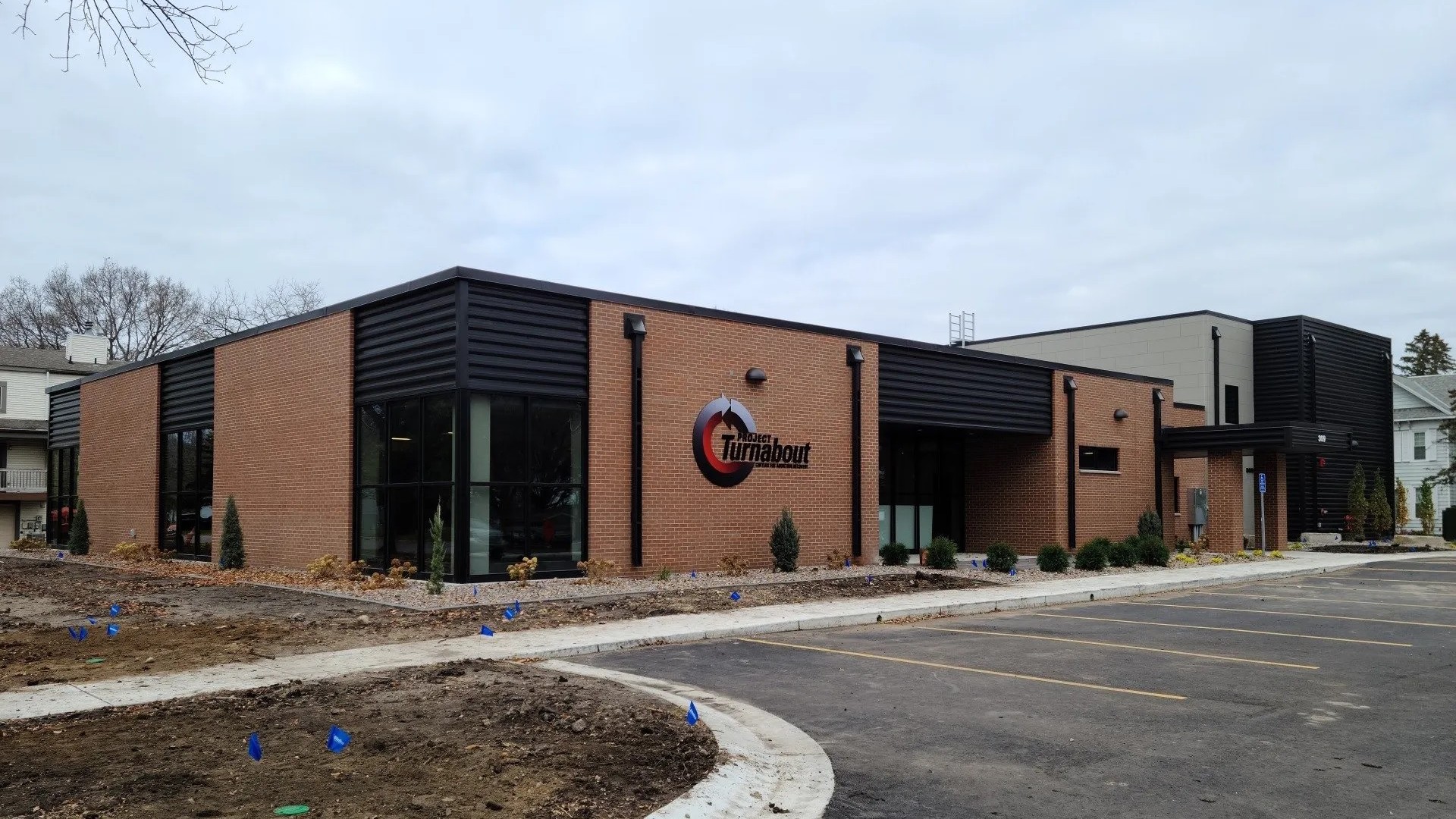
Large nonprofit and health-system providers, culturally specific organizations serving the city’s Native American and East African communities, and the Minneapolis VA Medical Center round out the landscape. The 2024 city budget also funded the expansion of the Turning Point treatment program, which provides care built specifically for the African American community.
The local drug supply shapes what people are seeking help for. Fentanyl now drives the overwhelming majority of opioid deaths in Hennepin County, and methamphetamine and cocaine deaths have climbed over the past decade. At the same time, Minnesota has one of the highest binge drinking rates in the country, and alcohol remains one of the most common reasons people enter treatment. If you are weighing help for opioid use disorder specifically, understanding the role fentanyl plays in the current supply is an important part of choosing the right level of care.
Because Minneapolis sits at the center of the metro transit network, including the METRO Blue Line light rail that connects downtown, the airport, and the VA Medical Center, many residents can reach treatment without a long drive. Openings for specialized programs, such as residential care for adolescents or for parents with children, can fill quickly, so it is worth asking a facility about bridge options like telehealth or interim medication if a bed is not immediately available.
Treatment costs in Minneapolis track closely with Minnesota statewide averages. Across the state, the average cost of drug and alcohol rehab without insurance is about $56,630, which ranks Minnesota near the middle of the country for treatment affordability. The figures below reflect statewide averages by level of care; actual costs in Minneapolis vary widely depending on the program, length of stay, and amenities, and insurance or state funding can lower out-of-pocket costs substantially. Verifying your rehab benefits before you enroll is one of the most effective ways to understand what you will actually pay.
Given the Twin Cities’ higher cost of living, prices at some Minneapolis programs may fall at or above these state averages, while nonprofit, county, and state-funded options can cost far less or nothing at all. Several factors drive the final price of care:




Most of the 56 treatment facilities in and around Minneapolis accept more than one form of payment, and the majority work with both private insurance and public programs. Of the local facilities, 47 accept private health insurance, 48 accept self-payment, 33 accept Medical Assistance (Minnesota’s Medicaid program), and 20 accept Medicare. Many also offer financial assistance, sliding-scale fees, or financing to help close the gap.






The right way to pay depends on your coverage and circumstances. Here is how the most common options work in Minneapolis.
Medicare covers substance use treatment for eligible older adults and people with qualifying disabilities, including inpatient care, outpatient services, and medication. Twenty Minneapolis-area facilities accept Medicare, and beneficiaries may still owe a copay depending on their plan. If you are sorting out what your plan covers, our guide to how Medicare covers addiction treatment can help you plan.
Minnesota’s Medicaid program, called Medical Assistance, along with MinnesotaCare for residents who earn too much to qualify for Medicaid but cannot afford private coverage, covers detox, residential treatment, outpatient counseling, and medication-assisted treatment. Thirty-three local facilities accept it. Minnesota expanded Medicaid under the Affordable Care Act, so residents with incomes up to 138% of the federal poverty level generally qualify.
Because Medical Assistance covers medication-assisted treatment for opioid and alcohol use disorders, it can be an important pathway for people who benefit from methadone or buprenorphine.
Veterans and active-duty service members have several options in Minneapolis. Fifteen local facilities accept TRICARE, which covers inpatient care, MAT, outpatient services, partial hospitalization, and residential treatment. The Minneapolis VA Medical Center also provides its own outpatient and residential substance use programs for enrolled veterans. Additional rehab resources for veterans and military families can help you understand what is available and how to access it.
Private insurance is the most widely accepted form of payment locally, with 47 facilities in-network with at least one carrier. Under federal parity law, most plans must cover substance use treatment comparably to other medical care, though specific benefits, copays, and network rules vary. Contact your insurer before enrolling to confirm which programs are in network and whether pre-authorization is required.
For people without robust coverage, 40 local facilities offer financial assistance, 9 use sliding-scale fees tied to income, and 8 offer financing plans. Hennepin County’s Behavioral Health Fund can also cover treatment costs for eligible residents, and the county’s Addiction and Recovery Services Unit can help coordinate placement.
A small number of Minneapolis programs provide treatment at no cost, often through nonprofit or faith-based funding, though free beds are limited and can fill quickly. If cost is a barrier, it is worth asking programs directly about scholarship beds and exploring rehab scholarships and free treatment options alongside county-funded care.
Minneapolis offers the full continuum of substance use care, from medically supervised detox through long-term outpatient support. Locally, there are 19 detox facilities, 29 inpatient rehab programs, 46 outpatient clinics, and 41 programs equipped to treat co-occurring mental health conditions, giving people the ability to step up or down in intensity as their needs change.




Medical detox is usually the first step for people with physical dependence on alcohol, opioids, or benzodiazepines. Supervised withdrawal management keeps people safe and comfortable during the days when symptoms peak. Learn more about what to expect from medical detox.
Inpatient and residential rehab provide 24-hour care in a structured setting, typically for 28 to 90 days, depending on clinical need. It suits people with more severe substance use or unstable home environments. Read more about inpatient and residential treatment.
Partial hospitalization and outpatient programs let people live at home while attending treatment, ranging from intensive day programs to weekly counseling. With 46 outpatient clinics locally, this is the most widely available level of care. Explore how outpatient and intensive outpatient programs work.
Dual diagnosis programs treat substance use and mental health conditions together, which matters because so many people face both. Forty-one local programs are equipped for co-occurring care, addressing conditions like co-occurring depression alongside addiction.
Sober living homes and aftercare support the transition back to daily life. Twelve sober living homes in the area offer structured, substance-free housing, and ongoing rehab aftercare helps protect the progress made in treatment.
Many Minneapolis facilities tailor their care to specific populations, which can make treatment more effective and more comfortable. Programs here serve men, women, young adults, older adults, veterans, and LGBTQ+ clients, and the majority address alcohol and opioid use specifically. Minneapolis is also home to culturally specific programs built for the city’s Native American and East African communities.







The 11 LGBTQ+ friendly programs in the area provide LGBTQ+ affirming addiction care in an environment where clients can be open about their identity. Veterans can access dedicated services through the two local military-focused programs as well as the Minneapolis VA.
Our overview of rehab resources for veterans and military explains what these programs typically include. With 39 programs treating alcohol use disorder and 28 addressing opioid use disorder, Minneapolis has substantial capacity for the two substances most reflected in local treatment demand.
Cost should never be the reason someone goes without help. Minneapolis and Hennepin County offer a strong network of free and low-cost resources, from 24/7 crisis support to harm reduction supplies, county-funded assessments, and community health services. The resources below are organized by category to help you find the right starting point.
If you or someone you know is in immediate danger, call 911. For urgent emotional and substance use support, the following lines are free and available around the clock. If thoughts of suicide are part of what you are facing, additional suicide prevention and crisis resources are available.
Local data makes clear why treatment demand in Minneapolis remains high. Hennepin County has the highest drug overdose death rate in Minnesota, and fentanyl now drives the overwhelming majority of opioid deaths in the county. The figures below capture the scale of both the fentanyl-driven overdose crisis and the state’s long-standing alcohol problem.
Hennepin County’s overdose death rate reached 39 per 100,000 residents in 2023, the highest of any Minnesota county, compared with 13 per 100,000 in the lowest-rate county. Overdose deaths did decline in 2024 across the county and state, but the burden falls unevenly.
Native American and Black residents in Hennepin County continue to die from overdoses at significantly higher rates than white residents. Alcohol adds another layer of harm, with Minnesota recording 26,082 alcohol-attributable inpatient hospitalizations statewide in 2023. Compared with national substance use statistics, Minnesota consistently ranks among the heaviest-drinking states.