
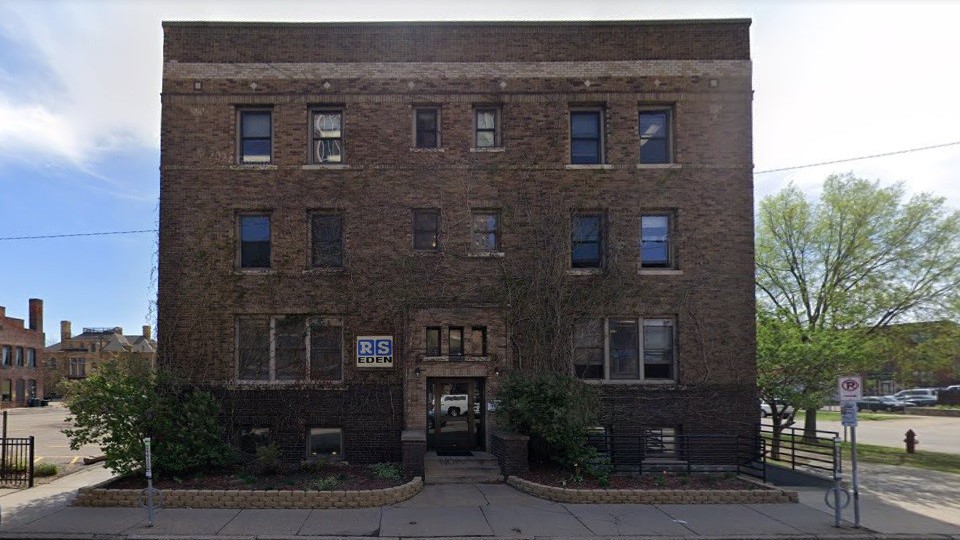
Eden House
Minneapolis, MN
55404

Find drug and alcohol rehab in Duluth, Minnesota, with 20 treatment centers serving St. Louis County and the greater Arrowhead region. Compare detox, inpatient, and outpatient programs by level of care, insurance, and cost so you can take the next step toward recovery on Lake Superior’s North Shore.
 800-785-0495
 Sponsored
 Close
Close| Thumbnail | Name | Address | Phone | Treatment | Insurance |
|---|---|---|---|---|---|
|
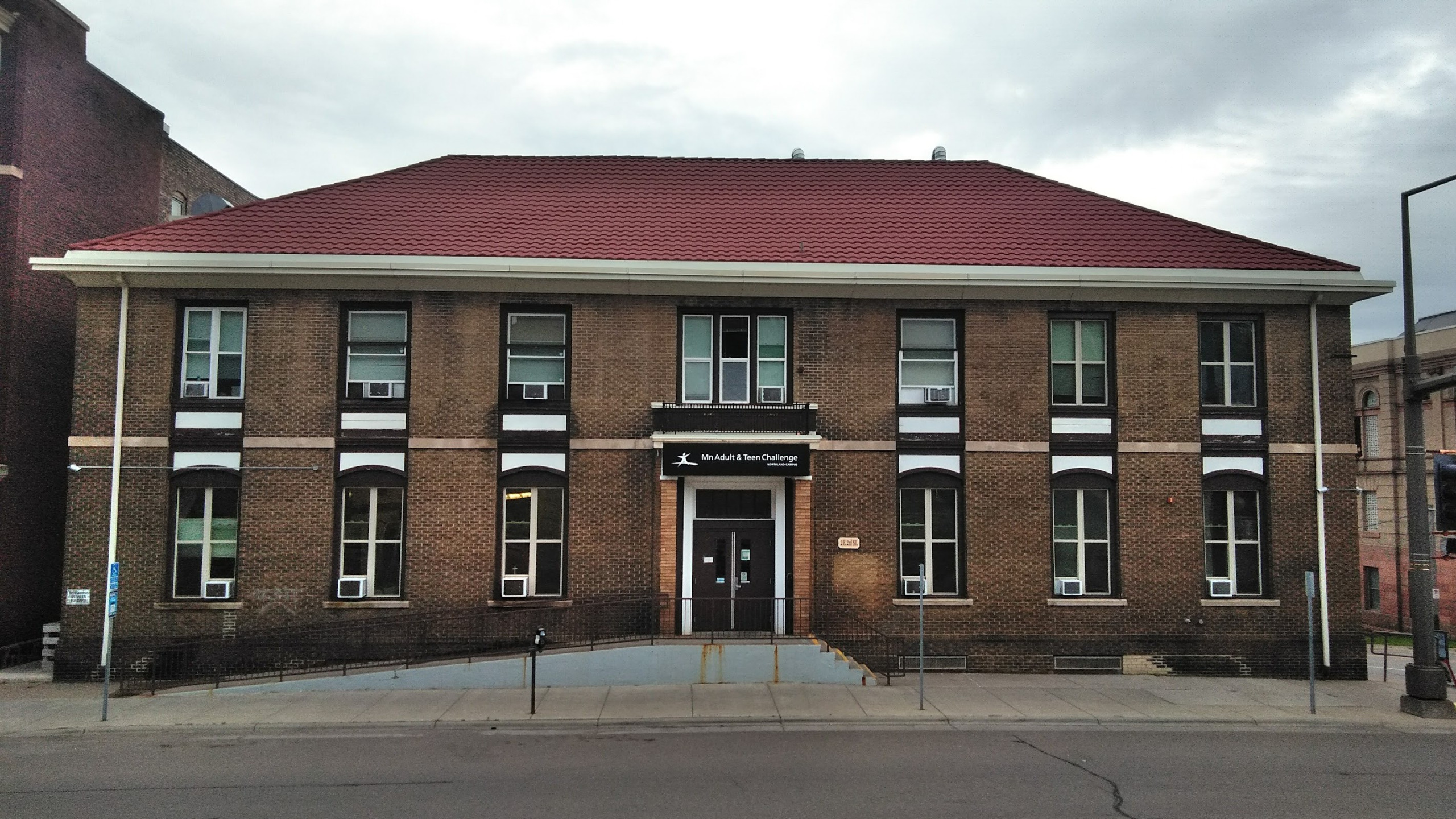
Minnesota Adult and Teen Challenge - Duluth Campus |
2 East 2nd Street Duluth, MN 55802 Minnesota Adult and Teen Challenge (MNTC) is an organization that leads the charge in providing the care needed by men, women, and teens struggling with addictions. Their Duluth Campus, located near the waterfront in Duluth,... |
2185293733 | Outpatient | Private |
|
CADT Center for Alcohol and Drug Treatment |
1402 East Superior Street Duluth, MN 55805 |
218-723-8444 | Detox Inpatient | Medicaid Private |
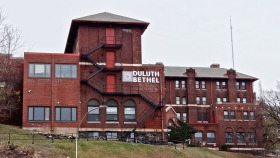
|
The Duluth Bethel |
23 Mesaba Avenue Duluth, MN 55806 |
2187221724 | Inpatient Outpatient | Medicaid Private |
|
Genesis Recovery Services |
5 North 3rd Avenue West Suite 310 Duluth, MN 55802 |
218-722-2368 | Outpatient | Private |
|
CADT Howard Friese House Hillside |
714 North 11th Avenue East Duluth, MN 55805 |
Inpatient | Medicaid Private | |
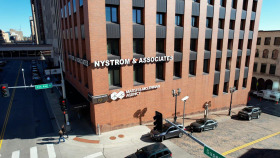
|
Nystrom and Associates Duluth Clinic |
332 West Superior Street Suite 300 Duluth, MN 55802 |
Detox Outpatient | Medicaid Private | |
|
|
The Superior Treatment Center |
324 West Superior Street Suite 300 Duluth, MN 55802 |
218-336-9300 | Detox Outpatient | Medicaid Private |
|
|
Port Rehabilitation Center |
23 Mesaba Ave Duluth, MN 55806 |
Detox Inpatient Outpatient | Private | |
|
|
Ideal Option Duluth |
831 E 2nd St Duluth, MN 55805 |
Detox Inpatient Outpatient | Private | |
|
|
Thunderbird Wren House |
9302 Idaho St Duluth, MN 55808 |
Detox Inpatient Outpatient | Private | |
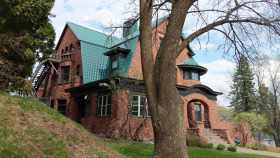
|
Arrowhead House East Intensive Residential Treatment |
16 South 18th Avenue East Duluth, MN 55812 |
Inpatient | Medicaid Private | |
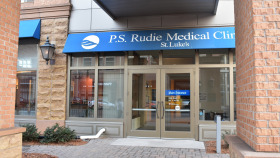
|
PS Rudie Medical Clinic Behavioral Health |
26 East Superior Street Suite 205 Duluth, MN 55802 |
Detox Inpatient Outpatient | Medicaid Private | |
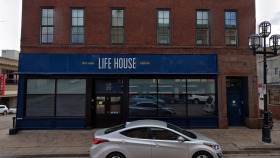
|
Life House |
102 West 1st Street Duluth, MN 55802 |
Outpatient | Medicaid | |
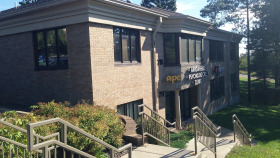
|
Arrowhead Psychological Clinic |
715 East Central Entrance Duluth, MN 55811 |
Outpatient | Medicaid Private | |
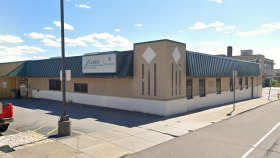
|
The Center for Alcohol and Drug Treatment |
1402 East Superior Street Duluth, MN 55805 |
Detox Inpatient | Medicaid Private |
View more listings near Duluth or search by the letter of cities in Minnesota.
Every rehab center listed on Addictions.com is a licensed or accredited treatment provider. Our directory is built to help you compare real options in your area rather than steer you toward a single facility. We organize listings around what matters most when someone is looking for help: the levels of care a program offers, the insurance and payment types it accepts, the populations it serves, and its location relative to you.
We prioritize facilities with current state licensure and recognized third-party accreditation. We find programs across a range of price points and payment options so that cost is never the only thing standing between a person and treatment. Listings are reviewed and updated as facility information changes. When you are ready to talk to someone, you can contact any center directly or reach our helpline for free, confidential guidance.
Duluth is the county seat of St. Louis County and the largest city in northeastern Minnesota’s Arrowhead region, home to roughly 87,000 residents on the western tip of Lake Superior. As the medical and economic hub for a wide, largely rural service area, Duluth anchors the treatment options that people across the North Shore and Iron Range rely on.
Our Minnesota rehab directory lists facilities statewide, and the 20 centers in and around Duluth represent the densest concentration of care in the region. Across those 20 facilities, treatment seekers can find a full continuum of addiction treatment options, including medical detox, residential inpatient care, and standard outpatient programs.
St. Louis County Public Health and Human Services, based in downtown Duluth at 320 West 2nd Street, coordinates local behavioral health services and connects residents to Medical Assistance, the state’s Medicaid program. Major regional health systems, including Essentia Health and St. Luke’s, also provide behavioral health and substance use services in the city.
The region has been at the center of Minnesota’s opioid response. In 2023, opioid overdoses were the leading cause of non-natural death in St. Louis County, with nearly 60 lives lost, according to the St. Louis County Sheriff’s Office.
County officials have since directed opioid settlement funds and coordinated enforcement, treatment, and harm reduction efforts, and the sheriff’s office reported the county was on track for fewer than 20 overdose deaths in 2025, a sharp decline. Fentanyl and methamphetamine drive most of the region’s opioid use disorder deaths.
Duluth is also home to a significant Native American population, and the Fond du Lac Band of Lake Superior Chippewa operates the Center for American Indian Resources in the city, providing culturally specific health and human services.
This matters locally: statewide, American Indian Minnesotans have died from overdose at roughly eight times the rate of all other groups combined, so access to culturally grounded care is a genuine regional priority rather than an afterthought.
What you pay for treatment in Duluth depends on the level of care, the length of the program, and how much your insurance covers. Because facility-specific pricing is rarely published, the figures below reflect statewide Minnesota averages. These prices are useful as a general frame of reference.
Minnesota also has some of the strongest mental health parity protections in the country, which means insurers generally cannot place stricter limits on addiction treatment than on comparable medical care.
These are averages, and actual costs vary widely. Many Duluth programs accept insurance, and several offer financial assistance or sliding-scale fees. Verifying your coverage before you enroll is the single most effective way to reduce out-of-pocket expense. See our guide to using insurance for rehab for help understanding your benefits.





Among Duluth’s 20 treatment centers, most work with a mix of public and private payment options. Nineteen accept self-payment and 19 accept private health insurance, while 14 accept Medical Assistance, Minnesota’s Medicaid program, and 15 offer some form of financial assistance. The mix means that people with insurance, people covered by public programs, and people paying out of pocket all have local options.






The right payment path depends on your coverage and circumstances. The sections below outline how the most common options work for Duluth-area treatment.
Nine Duluth facilities accept Medicare, which covers medically necessary substance use treatment for people 65 and older and for some younger people with disabilities. Coverage typically includes inpatient care, outpatient services, and medication. If you are enrolling with Medicare, confirm which specific services a program bills for before you start. Our overview of how insurance covers addiction treatment can help you understand what to expect.
Fourteen Duluth centers accept Medical Assistance, Minnesota’s Medicaid program. Medical Assistance covers outpatient counseling, residential treatment, medical detox, and medication-assisted treatment for eligible residents. St. Louis County Public Health and Human Services processes applications and can screen you for eligibility. Adults with income below roughly 205 percent of the federal poverty level often qualify.
Eight Duluth facilities accept TRICARE, the health program for active-duty service members, retirees, and their families. Given the region’s veteran population and nearby Air National Guard presence, this is a meaningful option locally. Veterans can also access care through VA channels and the Duluth Vet Center. See our rehab resources for veterans and military for more on benefits and eligibility.
Nineteen Duluth centers accept private health insurance and 19 accept self-payment. All Minnesota health plans, including employer coverage, MNsure marketplace plans, and Medical Assistance, are required to cover substance use disorder treatment as an essential benefit. Even with insurance, checking your network and out-of-pocket costs ahead of time prevents surprises.
Fifteen Duluth facilities offer financial assistance and four offer sliding-scale fees based on income. If cost is a barrier, ask each program directly about scholarships, payment plans, and grant-funded slots. Our guide to rehab scholarships explains how need-based aid works and how to apply.
Duluth’s treatment centers cover the core levels of addiction care, with 10 medical detox facilities, 13 inpatient programs, and 13 standard outpatient clinics. Fourteen also treat co-occurring mental health and substance use disorders, and three offer sober living. Understanding the differences helps you match a program to the severity of the situation and to daily life demands.



Detox is often the first step for people with physical dependence on alcohol, opioids, or benzodiazepines. Duluth’s 10 medical detox programs provide supervised withdrawal management, where clinical staff monitor symptoms and can provide medication to keep the process safe and more comfortable.
The area’s 13 inpatient rehab programs provide 24-hour residential care in a structured setting, typically for 28 days or longer. This level suits people who need to step away from their environment to focus fully on early recovery.
With 13 outpatient rehab options, Duluth offers flexible care that lets people continue living at home while attending scheduled therapy and group sessions. Outpatient programs range from weekly counseling to more intensive schedules, and they are a common step-down after inpatient treatment.
Fourteen Duluth facilities treat co-occurring disorders, addressing addiction alongside conditions such as depression or anxiety in one coordinated plan. Treating both together produces better outcomes than addressing either alone.
Several Duluth-area providers offer medication-assisted treatment, combining FDA-approved medications such as buprenorphine, methadone, or naltrexone with counseling. Given the region’s opioid burden, MAT is a central part of local recovery care, and HDC Urgent Care in Duluth offers walk-in Suboxone starts and assessments.
Three sober living homes in the area provide substance-free housing that supports the transition back to independent life. Pairing housing with ongoing continuing care helps protect the progress made in treatment.
Many Duluth centers tailor treatment to specific populations, recognizing that a young adult, a veteran, or a person seeking gender-specific care may need different support. The counts below reflect programs that report serving each group.






Fourteen Duluth programs focus on alcohol use disorder, the most commonly treated condition in the region, and 11 address opioid use disorder, reflecting the fentanyl-driven overdose crisis across the Arrowhead.
Three centers offer LGBTQ+ affirming addiction care, and two provide programming built for veterans and military families through rehab resources for veterans and military. For younger clients, 17 programs serve young adults, addressing the distinct patterns of college-age and early-adulthood young adult and college student substance use.
Cost should never be the reason someone goes without help. Duluth and St. Louis County offer a network of free and low-cost resources, from crisis lines to harm reduction and culturally specific care. The organizations below serve the Duluth area and can connect you to further support.
St. Louis County has been one of the hardest-hit areas in Minnesota’s overdose crisis, and also one of the clearest recent success stories. In 2023, opioid overdoses were the leading cause of non-natural death in the county, with nearly 60 lives lost, before a coordinated county response drove deaths sharply lower in 2024 and 2025.
Statewide, Minnesota recorded a 32 percent drop in overdose deaths between 2023 and 2024, one of the steepest declines in the nation. Fentanyl and methamphetamine remain the substances most often involved in fatal overdoses across the region. See our national substance use statistics for broader context.
These disparities are why Duluth’s Native-led and harm reduction services are central to the local response, not peripheral to it. If you or someone you love is affected, the treatment centers and resources on this page are a place to start.