



How We Rank Listings
Every facility on this page is organized to help you compare real options, not to reward advertising spend. We prioritize licensed and accredited providers, while factoring in accreditation from bodies such as the Joint Commission and CARF, the levels of care a facility offers, the payment types it accepts, and the specialty populations it serves. Listings that verify their services and credentials appear more prominently than those with incomplete information.
We update facility data regularly using public licensing records, accreditation databases, and information reported directly by providers. When a detail cannot be confirmed, we leave it out rather than guess. Our goal is a directory you can trust to reflect what a facility actually provides, so the first call you make is to a program that fits your needs.
- Accreditation and state licensing status
- Levels of care and specialty programs offered
- Accepted insurance and payment options
- Completeness and recency of verified facility information
Rehab in Ann Arbor: What to Know
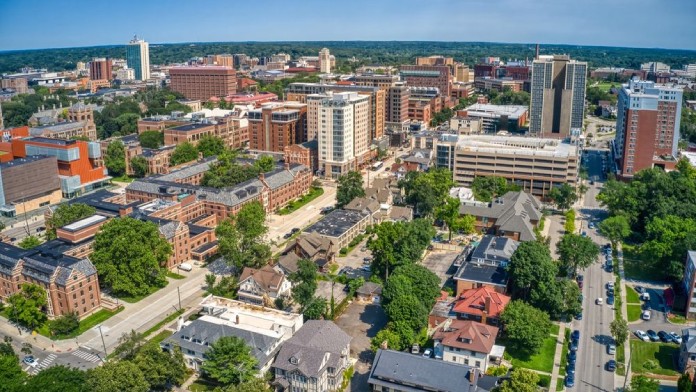
Ann Arbor sits in Washtenaw County in southeast Michigan, home to the University of Michigan and its academic medical center. The directory currently lists 34 drug and alcohol rehab facilities in and around the city, spanning medical detox, residential care, and a deep bench of outpatient options. If you do not find the right match here, the full Michigan rehab directory lists programs statewide, including options in nearby Ypsilanti and the Detroit metro area.
Washtenaw County uses a single point of entry for publicly funded care. Washtenaw County Community Mental Health operates a fully staffed 24/7 access line that screens callers and connects them to the region’s core substance use providers, including two long-established Ann Arbor nonprofits: Dawn Farm, which has offered detox, residential, and outpatient care for more than five decades, and Home of New Vision, a CARF-accredited provider offering peer recovery coaching, housing support, and outpatient services.
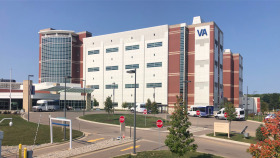
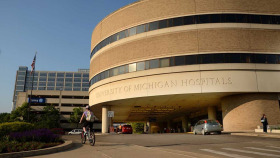
The University of Michigan Addiction Treatment Services program and the Lieutenant Colonel Charles S. Kettles VA Medical Center add clinical and veteran-focused capacity to the local landscape of addiction treatment options. Local substance use trends are shaped heavily by opioids, and fentanyl in particular. Washtenaw County recorded 66 overdose deaths in 2024, down 25% from 88 the year before and the fewest since 2016, according to the Washtenaw County Health Department.
Of the 42 opioid-related deaths, roughly 93% involved fentanyl. County officials credit wider access to harm reduction tools, treatment, and recovery support for the decline, which points anyone weighing opioid use disorder treatment toward programs that offer medication and overdose education.
Because Ann Arbor is a college town and regional medical hub, many programs here are outpatient and integrate mental health care, which matters given how often substance use and conditions like depression or anxiety occur together. When you contact a facility, it helps to have your insurance information ready and a sense of the level of care you are seeking, so intake staff can route you quickly.
Cost of Rehab in Ann Arbor
There is no single price for treatment, and Ann Arbor programs range from free and grant-funded nonprofit services to private residential care. Because verified city-level pricing is not available, the figures below reflect statewide averages by level of care. They are a starting point for comparison, not a quote. Actual cost depends on the setting, program length, the intensity of care you need, and whether you use insurance. Verifying your rehab benefits before you commit is the single most useful step for understanding what you will actually pay.
Several factors move the final number up or down. Ann Arbor’s higher regional cost of living can push private-pay residential rates toward or above the state average, while the county’s network of nonprofit and publicly funded providers gives lower-cost and free pathways for those who qualify.



How to Pay for Rehab in Ann Arbor
Across the 34 facilities listed in Ann Arbor, most accept more than one form of payment, and many work with clients to piece together coverage from insurance, public programs, and assistance funds. The cards below show how many local facilities accept each payment type, followed by more detail on the most common options.






Medicaid
Michigan Medicaid and the Healthy Michigan Plan cover substance use disorder treatment, including outpatient services, residential care, and medication. In Washtenaw County, publicly funded behavioral health benefits are managed through Washtenaw County Community Mental Health and the regional Community Mental Health Partnership of Southeast Michigan, which connect eligible residents to network providers such as Dawn Farm and Home of New Vision.
If your program offers medication-assisted treatment, Medicaid typically covers the medications used to manage opioid and alcohol use disorders. Twenty-one Ann Arbor facilities accept Medicaid.
Medicare
Medicare covers medically necessary substance use treatment under Part A for inpatient care and Part B for outpatient services, and Medicare Advantage plans provide the same benefits. Eighteen facilities in Ann Arbor accept Medicare. Coverage details vary by plan, so it is worth confirming what your specific plan covers before admission, including any copays and whether your chosen facility is in network.
Military Benefits
Seventeen Ann Arbor facilities accept TRICARE, and the Lieutenant Colonel Charles S. Kettles VA Medical Center on Fuller Road provides outpatient and detox services directly to veterans. Coverage through TRICARE and the VA can include detox, medication-assisted treatment, outpatient care, and residential treatment. Veterans and their families can find additional rehab resources for veterans to help navigate benefits and care options.
Insurance and Private Pay
Most private health insurance plans are federally required to cover mental health and substance use treatment, although the level of coverage depends on your plan and whether a facility is in network. Twenty-six Ann Arbor facilities accept private insurance, and 33 accept self-payment for those paying out of pocket or supplementing coverage. Financing is available at five facilities to spread costs over time.
Other Low-Cost Options
For those without full coverage, 20 Ann Arbor facilities offer some form of financial assistance and seven offer sliding-scale fees based on income. Grant funding through the Substance Abuse and Mental Health Services Administration supports publicly funded treatment across the county.
Free Treatment Programs
One facility in the directory offers fully free treatment, and Dawn Farm’s community of programs is well known locally for providing free and low-cost care to people committed to recovery. Free and grant-funded programs sometimes have a waitlist, so it helps to ask about availability when you call. If cost is a barrier, learn about rehab scholarships as another possible pathway.
- Aetna
- Blue Cross Blue Shield of Michigan
- Cigna
- HAP
- Humana
- Priority Health
- UnitedHealthcare
- Medicaid
- Medicare
- TRICARE
Levels of Care Available in Ann Arbor
Ann Arbor offers a broad continuum of care, with 11 medical detox facilities, 24 inpatient rehab programs, 32 outpatient clinics, and 28 programs equipped to treat co-occurring mental health conditions. The cards below show what is available locally, followed by a short explanation of each level.



Medical detox is often the first step, providing supervised withdrawal management for alcohol, opioids, and benzodiazepines. Local providers including Dawn Farm and the VA offer detox services. If you or a loved one may need this level of care, you can learn more about what to expect from medical detox.
Inpatient and residential rehab provides 24/7 structured care in a live-in setting, typically for 28 days or longer. This level suits more severe substance use or situations where the home environment makes recovery difficult. Read more about residential treatment.
Outpatient rehab is the most widely available level in Ann Arbor, allowing people to receive treatment while living at home and keeping up with work or school. It ranges from standard weekly counseling to more structured programs, and works well for continuing care. Explore outpatient rehab options.
Dual diagnosis programs treat substance use and mental health conditions together, which matters because they so often occur side by side. With 28 local programs equipped for this, people managing co-occurring depression or anxiety alongside substance use have strong options in the area.
Sober living homes offer a substance-free residential setting that bridges treatment and independent life, reinforcing the routines built earlier in care. Five are listed locally, and they pair naturally with structured rehab aftercare.
Specialty Programs in Ann Arbor
Many Ann Arbor facilities tailor care to specific groups, which can make treatment feel more relevant and effective. The programs below reflect the specialty options most represented among local facilities.






With 20 programs focused on alcohol, local providers offer substantial support for alcohol use disorder, while 17 opioid-focused programs address the fentanyl-driven trends seen in county overdose data through treatment for opioid use disorder. Ten programs serve veterans and military families, adding to the VA and TRICARE options described above. Ann Arbor’s large student and young-professional population is reflected in 30 young adult programs, which is relevant to anyone navigating young adult and college student substance use. Two facilities identify as LGBTQ+ friendly, offering LGBTQ+ affirming addiction care.
Free and Low-Cost Rehab Resources in Ann Arbor
Cost should never be the reason someone goes without help. Ann Arbor and Washtenaw County have a strong network of crisis lines, publicly funded treatment, and harm reduction services. The resources below are free or low-cost and can help you take a first step, whether you need immediate support or a connection to ongoing treatment. If you or someone you love is in crisis, reach out to crisis and suicide prevention resources right away.
Crisis and Access Lines
- 988 Suicide and Crisis Lifeline — Call or text 988 for free, 24/7 crisis support for mental health and substance use. https://988lifeline.org/
- SAMHSA National Helpline — 1-800-662-HELP (4357), free and confidential, 24/7, with referrals to local treatment. https://www.samhsa.gov/find-help/helplines/national-helpline
- Washtenaw County Community Mental Health 24/7 Access Line — 734-544-3050, the single point of entry for publicly funded substance use and mental health services in the county. https://www.washtenaw.org/need-crisis-support
- For emergencies or a suspected overdose — Call 911 immediately.
County and Harm Reduction Services
- Washtenaw County Health Department — Distributes free naloxone (Narcan) and fentanyl test strips, including through community vending machines. Visit the website to find possible locations and recovery resources. https://www.washtenaw.org/health-department
- Home of New Vision — 734-975-1602. A local nonprofit offering peer recovery coaching, housing support, overdose education, and outpatient services. https://homeofnewvision.org/
- Dawn Farm — A longstanding Ann Arbor nonprofit providing detox, residential, and outpatient care, including free and low-cost options. https://www.dawnfarm.org/
Veterans and Government Programs
- Lieutenant Colonel Charles S. Kettles VA Medical Center — 2215 Fuller Road, Ann Arbor; 734-845-3400. Substance use and mental health services for veterans. https://www.va.gov/ann-arbor-health-care/locations/lieutenant-colonel-charles-s-kettles-va-medical-center/
- Michigan Medicaid and the Healthy Michigan Plan — Cover substance use disorder treatment for eligible residents; apply through MDHHS. https://www.michigan.gov/healthymiplan
Peer Support
- Washtenaw Alano Club — 734-668-8138. Hosts 12-step meetings and recovery community events. Connect with more 12-step and peer support groups. https://washtenawalano.club/
- Washtenaw Area Narcotics Anonymous — 800-230-4085 for local meeting information. https://michigan-na.org/washtenaw-area/
Drug and Alcohol Use Statistics in Ann Arbor
Washtenaw County saw meaningful progress against overdose deaths in 2024, though fentanyl continues to drive nearly all opioid fatalities. The figures below reflect the most recent county reporting and help explain why local treatment increasingly emphasizes fentanyl overdose risk and medication-based care.
County officials note that most people who died were white men between 25 and 54, and that fentanyl is increasingly found in cocaine and pressed pills, meaning people are often exposed without knowing it.
These patterns underscore why naloxone distribution and fentanyl test strips have become central to the county’s response. For national context on substance use, see the latest national substance use statistics.
Resources
- Washtenaw County Health Department. (2025). 2024 Overdose Data Report. https://www.washtenaw.org/1921/Opioid-Data
- The Sun Times News. (2025). Overdose Deaths Drop in Washtenaw County as Fentanyl and Stimulants Remain a Concern. https://thesuntimesnews.com/washtenaw-county-overdose-deaths-2025/
- CBS News Detroit. (2025). Drug overdose deaths down 25% in Washtenaw County, health officials say. https://www.cbsnews.com/detroit/news/drug-overdose-deaths-down-25-percent-washtenaw-county/
- Community Mental Health Partnership of Southeast Michigan. (n.d.). Region Six Behavioral Health Services. https://www.cmhpsm.org/
- Washtenaw County. (n.d.). Community Mental Health. https://www.washtenaw.org/839/Community-Mental-Health
- Home of New Vision. (n.d.). Your Choice for Recovery and Change. https://homeofnewvision.org/
- U.S. Department of Veterans Affairs. (n.d.). VA Ann Arbor Healthcare System. https://www.va.gov/ann-arbor-health-care/
- Substance Abuse and Mental Health Services Administration. (n.d.). National Helpline. https://www.samhsa.gov/find-help/national-helpline