








How We Rank Listings
Every facility on this page is drawn from our directory of licensed and accredited treatment providers serving Lynn and the surrounding North Shore. Listings are organized to help you compare real options by the care they provide, the people they serve, and the ways they accept payment, rather than to reward whoever paid the most.
We give weight to providers that hold recognized third-party accreditation, maintain current Massachusetts licensure, and publish clear information about their services. Where a program offers medication-assisted treatment, specialized tracks, or financial assistance, we surface those details so they factor into your decision. Sponsored placements are labeled as such, and a listing’s position is not a clinical endorsement. Verify current services, availability, and insurance acceptance directly with any center before enrolling.
Rehab in Lynn: What to Know
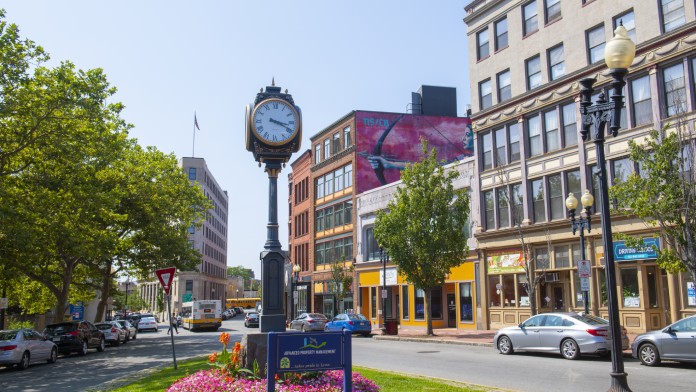
Lynn is a densely populated coastal city on Boston’s North Shore in southeastern Essex County, one of the larger and more diverse cities in the state. The Massachusetts rehab directory lists 14 treatment providers in and around the city, spanning detox, residential, and a strong base of outpatient and dual diagnosis programs, covering most addiction treatment options people need close to home.
Community-based care in the city runs largely through the Lynn Community Health Center and North Shore providers such as Bridgewell, which deliver outpatient counseling, medication-assisted treatment, and recovery support. Massachusetts also runs a single statewide front door for treatment: the Massachusetts Substance Use Helpline connects anyone to harm reduction, treatment, and recovery, free and around the clock.
Lynn was among the Massachusetts cities the state singled out for a notable drop in overdose deaths, part of a broader decline across Essex County and the state. Opioid use disorder and fentanyl still drive most of the harm, so quick access to treatment and naloxone remains essential.




Cost of Rehab in Lynn
There is no single price for rehab in Lynn. Cost depends on the level of care, how long treatment lasts, whether a program is public or private, and what your insurance covers. Outpatient counseling is the most affordable option, medical detox and residential care cost more because they include around-the-clock supervision, and medication-assisted treatment falls in between. Local figures track Massachusetts averages, and most people pay far less than the sticker price once insurance, MassHealth, or a sliding fee scale is applied.
Most people do not pay these amounts out of pocket. Because Massachusetts expanded Medicaid, MassHealth covers the full continuum of substance use care for members who qualify, often at little or no cost, and the state funds free treatment for the uninsured through the Bureau of Substance Addiction Services. Treatment scholarships and financial assistance can help close the gap for private programs.




How to Pay for Rehab in Lynn
Across the treatment centers listed for Lynn, most accept self-payment and private insurance, and most also bill MassHealth or Medicare. Sliding-scale fees, financial assistance, financing, and TRICARE are available at several programs. The cards below show how many Lynn programs in our directory accept each payment type.




Medicare
Medicare covers medically necessary addiction treatment for eligible older adults and people with qualifying disabilities, including inpatient care, outpatient services, and counseling. Coverage and copays vary by plan, so it helps to understand how Medicare and private insurance apply to rehab before you enroll.
Medicaid (MassHealth)
Massachusetts expanded Medicaid, and MassHealth covers a broad continuum of substance use care, including acute treatment services (detox), clinical stabilization, outpatient care, and medication-assisted treatment with methadone, buprenorphine, and naltrexone. Nine Lynn programs accept it, and the Lynn Community Health Center is a primary local route to publicly funded care.
Military Benefits
Four Lynn programs accept TRICARE for active-duty service members, retirees, and eligible family members. Veterans can also access care through the VA, and more addiction resources for veterans and military families are available regionally.
Insurance and Private Pay
Massachusetts requires health plans to cover mental health and substance use treatment on par with other medical care, though your deductible and network still shape the final cost. Verifying benefits before admission tells you what a program will actually cost you.
- Blue Cross Blue Shield of Massachusetts
- Harvard Pilgrim Health Care
- Tufts Health Plan
- Mass General Brigham Health Plan
- Aetna
- Cigna
- WellSense Health Plan
Levels of Care Available in Lynn
The centers listed for Lynn cover most major levels of care, from medical detox and residential inpatient programs to partial hospitalization, outpatient clinics, dual diagnosis treatment, and sober living. The cards below show how many programs in each category are available locally.




Medical detox
Medical detox is the first step for people with significant physical dependence on alcohol, opioids, or other substances. Programs use around-the-clock monitoring and medication to manage withdrawal safely before a person steps into ongoing treatment.
Inpatient and residential rehab
Inpatient rehab provides 24-hour care in a structured residential setting, which suits people who need medical monitoring or a break from a high-risk environment early in recovery.
Partial hospitalization and outpatient
A partial hospitalization program offers intensive daytime treatment while clients return home in the evening. Outpatient care, the most common level in Lynn, lets people live at home and keep working or caring for family while attending scheduled treatment.
Dual diagnosis care
Ten local programs treat co-occurring disorders, addressing a substance use disorder and a mental health condition such as depression, anxiety, or PTSD at the same time, which tends to work better than treating either alone.
Sober living and aftercare
Two sober living homes provide structured, substance-free housing for people leaving treatment. Ongoing aftercare, including counseling and peer support, helps protect recovery over the long term.
Specialty Programs in Lynn
Beyond general treatment, several Lynn programs tailor care to specific groups and substances. The grid below shows the number of programs offering each specialty.







Free and Low-Cost Rehab Resources in Lynn
Cost and insurance should never stop someone on the North Shore from getting help. Several local and statewide resources offer free or low-cost support, from 24-hour helplines to income-based treatment and harm reduction.
Crisis and helplines
- Massachusetts Substance Use Helpline. 1-800-327-5050 or text “HOPE” to 800327, the state’s free, confidential, 24/7 line for finding treatment, recovery, and harm-reduction services.
- 988 Suicide and Crisis Lifeline. Call or text 988 for free, confidential support 24/7. See more crisis and suicide prevention resources.
- Massachusetts Behavioral Health Help Line. 833-773-2445, 24/7 access to community behavioral health services and crisis evaluation.
- SAMHSA National Helpline. 1-800-662-HELP (4357), a free, confidential 24/7 treatment referral line.
Local treatment and recovery
- Lynn Community Health Center. Sliding-scale primary and behavioral health care, including medication-assisted treatment, serving the North Shore.
- Bridgewell. A North Shore nonprofit offering behavioral health, substance use, and recovery support services.
Government and harm reduction
- Free naloxone. Available at no cost through the Massachusetts standing order at pharmacies and through community distribution programs.
- Massachusetts 211. Dial 211 to connect with local health, housing, and treatment resources.
Drug and Alcohol Use Statistics in Lynn
Lynn is in Essex County, and state officials named it among the Massachusetts cities that recorded a notable decline in overdose deaths, part of a broad statewide improvement. Fentanyl still drives most fatal overdoses, so the gains depend on sustained access to treatment and naloxone. Seeing the local picture against national substance use statistics adds context.
Resources
- Massachusetts Department of Public Health. (2024). Opioid-related overdose deaths decreased 10 percent in 2023. https://www.mass.gov/news/dph-report-massachusetts-opioid-related-overdose-deaths-decreased-10-percent-in-2023
- Massachusetts Department of Public Health. (2026). Opioid-Related Overdose Deaths among Massachusetts Residents. https://www.mass.gov/lists/current-opioid-statistics
- Massachusetts Substance Use Helpline. (2026). Find Treatment and Recovery Services. https://helplinema.org/
- Addictions.com. (2026). Alcohol and Drug Rehabs in Massachusetts: cost of treatment averages. https://www.addictions.com/rehabs/massachusetts/
- Substance Abuse and Mental Health Services Administration. (2026). National Helpline. https://www.samhsa.gov/find-help/national-helpline