




Expert Insights
Many people wouldn’t associate narcotics trafficking and violent crime with the state of Iowa or the Cedar Rapids area as a whole.
Unfortunately, drugs and addiction have touched every inch of this country, from the smallest small towns to the largest metro areas. I was recently reminded of this when reading about the Cedar Rapids Police, Northern Iowa Fugitive Task Force, and other local, state, and federal law enforcement agencies recently completed “Operation Corridor Roundup.”
The 60-day effort nabbed 37 fugitives and seized mass quantities of narcotics. The operation started in April and focused on the Cedar Rapids area. And they estimate around 90 percent of the people arrested lived in the Cedar Rapids and Linn County area.
How We Rank Listings
Every facility on this page is drawn from our directory of licensed and accredited treatment providers serving Cedar Rapids and the surrounding Linn County area. Listings are organized to help you compare real options by the care they provide, the people they serve, and the ways they accept payment, rather than to reward whoever paid the most.
We give weight to providers that hold recognized third-party accreditation, maintain current Iowa licensure, and publish clear information about their services. Where a program offers medication-assisted treatment, specialized tracks, or financial assistance, we surface those details so they factor into your decision. Sponsored placements are labeled as such. A listing’s position is not a clinical endorsement, and we encourage you to verify current services, availability, and insurance acceptance directly with any center before enrolling.
Rehab in Cedar Rapids: What to Know
Cedar Rapids is the seat of Linn County and the second-largest city in Iowa, set along the Cedar River in the eastern part of the state. Our Iowa rehab directory currently lists 18 treatment facilities in and around the city, spanning medical detox, residential rehab, and outpatient care, with hospital-based services anchored by MercyOne Cedar Rapids Medical Center and UnityPoint Health St. Luke’s Hospital.
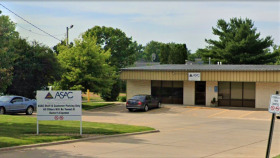
Community-based treatment in the county runs largely through the Area Substance Abuse Council, a Cedar Rapids nonprofit that operates the area’s main residential program along with detox, outpatient counseling, and medication-assisted treatment, and the Linn County Mental Health Access Center provides a front door for people in crisis. For people weighing their addiction treatment options, those two organizations are practical first stops, and Coe College, Mount Mercy University, and Kirkwood Community College add campus-based support for students in recovery.
Cedar Rapids has felt the national opioid use disorder crisis alongside a documented rise in heavy alcohol use, with fentanyl driving the most dangerous recent overdoses. In response, Linn County has leaned heavily into harm reduction, using opioid-settlement dollars to install free naloxone vending machines at sites across the county, an approach local officials credit alongside a recent decline in overdose deaths.
Cost of Rehab in Cedar Rapids
There is no single price for addiction treatment, and what you pay in Cedar Rapids depends far more on the level of care, program length, and your insurance than on the city itself. Because reliable city-level figures are limited, the most useful anchor is the statewide average. Verifying your rehab benefits before you enroll is the single most effective way to control what you pay out of pocket.
These are averages across all program types, and both medical detox and residential care drive the top figures upward, so most people entering outpatient treatment or medication-assisted treatment pay a small fraction of the highest numbers. Iowa runs on the higher side of the Midwest for residential care, partly because residential capacity is limited, so confirming coverage and comparing programs matters. Several factors move an individual’s cost up or down.



If cost is a barrier, note that many Cedar Rapids programs accept Medicaid or offer sliding-scale fees, and comparing residential treatment against outpatient options can substantially change the total.
How to Pay for Rehab in Cedar Rapids
Across the 18 facilities serving Cedar Rapids, treatment is paid for through a mix of private insurance, public coverage, self-payment, and assistance programs. The counts below reflect how many local facilities in our directory accept each payment type.





There are several ways to cover the cost of treatment in Cedar Rapids. Here is how the most common options work.
Medicare
Medicare covers medically necessary addiction treatment for adults 65 and older, and for some younger people who qualify through a disability. Original Medicare typically leaves you responsible for a share of approved costs, while Medicare Advantage plans bundle coverage through private insurers with their own networks. Eight Cedar Rapids-area facilities in our directory accept Medicare, so confirming which local programs are in network is an important first step.
Medicaid
Iowa Medicaid, including the Iowa Health and Wellness Plan for many adults, is delivered through managed care organizations and covers substance use services such as outpatient care, treatment for opioid use disorder, and medication-assisted treatment, often with little or no out-of-pocket cost. Twelve facilities in the Cedar Rapids directory accept it, and the Area Substance Abuse Council is a primary local route to publicly funded treatment for people covered by Medicaid.
Military Benefits
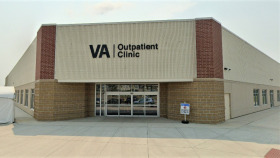
Veterans and active-duty service members have coverage options through TRICARE and the Department of Veterans Affairs, and nine Cedar Rapids facilities accept TRICARE. The Cedar Rapids VA Clinic, part of the Iowa City VA Health Care System, provides outpatient care and can refer to more intensive treatment when needed.
Insurance and Private Pay
Private insurance is widely accepted locally, with 17 facilities taking commercial plans, and 17 accepting self-payment or cash. Under federal parity rules, most private plans must cover substance use treatment comparably to other medical care, though deductibles, coinsurance, and network restrictions vary by plan. Major carriers with coverage in Iowa include:
- Aetna
- Cigna
- Iowa Total Care
- Molina Healthcare
- UnitedHealthcare
- Wellmark Blue Cross Blue Shield of Iowa
- Wellpoint
Other Low-Cost Options
For those without robust coverage, seven Cedar Rapids facilities offer sliding-scale fees based on income, and 11 offer some form of financial assistance. Iowa also funds treatment for uninsured and underinsured residents through the state Department of Health and Human Services, so it is worth asking any program about grant-funded slots. Payment plans and rehab scholarships can further reduce the burden.
Levels of Care Available in Cedar Rapids
Cedar Rapids offers a broad continuum of care, with 6 medical detox facilities, 7 inpatient rehab programs, 17 standard outpatient clinics, and 9 programs equipped to treat co-occurring mental health conditions. The right starting point depends on the severity of the substance use, medical needs, and personal circumstances.



Medical detox provides supervised withdrawal management, which is especially important for alcohol, opioids, and benzodiazepines, where stopping suddenly can be dangerous. Learn more about what to expect from supervised detox.
Inpatient and residential rehab offers 24-hour care in a structured setting, typically after detox, and suits people who need to step away from their environment to focus on recovery.
Standard outpatient care is the most common and flexible level in Cedar Rapids, letting people keep working or caring for family while attending scheduled sessions. Explore the range of outpatient rehab and intensive outpatient programs.
Dual diagnosis programs, offered by nine area facilities, treat substance use alongside co-occurring conditions such as co-occurring depression and anxiety, which commonly appear together. Sober living homes and continuing care keep progress going after formal treatment ends: Cedar Rapids has three sober living homes and 12 programs offering structured aftercare, and our guide to rehab aftercare covers this stage.
Specialty Programs in Cedar Rapids
Many Cedar Rapids facilities tailor treatment to specific populations, recognizing that recovery needs differ across age and background. The counts below reflect specialty programming available among local listings.


With three colleges in the area, the 15 programs geared toward young adult and college student substance use reflect a meaningful share of local demand, while three programs focus on the age-related health and medication needs of older adults. One facility provides programming built around the needs of veterans and service members, complementing the rehab resources for veterans and military members available through the local VA clinic.
Free and Low-Cost Rehab Resources in Cedar Rapids
Cost should not be the reason someone in Cedar Rapids goes without help. The community and the state offer crisis support, harm reduction, and publicly funded treatment at little or no cost. The resources below are verified against public and government sources.
- 988 Suicide and Crisis Lifeline – Call or text 988, available 24/7 for any mental health or substance use crisis. See our crisis support and suicide prevention resources for more.
- SAMHSA National Helpline – 1-800-662-HELP (4357), free and confidential treatment referral in English and Spanish, 24/7.
- Iowa 211 – Dial 211 for free statewide referral to treatment, housing, food, and financial help.
- Area Substance Abuse Council (ASAC) – Cedar Rapids’ primary substance use provider, offering detox, residential and outpatient treatment, and medication-assisted treatment. 319-390-4611. asac.us
- Linn County Public Health – 501 13th St NW, Cedar Rapids; 319-892-6000. Overdose prevention, naloxone, and recovery referrals.
- Free naloxone vending machines – Seven machines stocked with free naloxone and harm-reduction supplies are placed across Linn County, including the Linn County Mental Health Access Center at 501 13th St NW in Cedar Rapids.
- Foundation 2 Crisis Services – 24-hour crisis line and mobile crisis support for Eastern Iowa. foundation2.org
Drug and Alcohol Use Statistics in Cedar Rapids
Linn County publishes local overdose data through its public health department, so the figures below reflect the county that contains Cedar Rapids. The clearest recent signal is a decline in overdose deaths that local officials tie in part to expanded naloxone access.
Fentanyl drives the deadliest overdoses locally, often mixed into or pressed to look like other drugs, which is why so much naloxone has been distributed across the county. Understanding fentanyl overdose risk is central to reducing these deaths. Local providers also report a marked rise in heavy alcohol use, which remains a leading reason residents enter treatment.
Resources
- Addictions.com. (2024). Alcohol & Drug Rehabs in Iowa. https://www.addictions.com/rehabs/iowa/
- The Gazette. (2025). Overdose deaths decline as naloxone vending machine program continues in Linn County. https://www.thegazette.com/health-care-medicine/overdose-deaths-decline-as-naloxone-vending-machine-program-continues-in-linn-county/
- The Gazette. (2026). Overdose deaths decline in Linn County. https://www.thegazette.com/news/overdose-deaths-decline-in-linn-county/
- Linn County Public Health. (2024). Opioid Fact Sheet and Overdose Data Report. https://www.linncountyiowa.gov/
- Area Substance Abuse Council. (2026). Treatment and Recovery Services. https://www.asac.us
- Substance Abuse and Mental Health Services Administration. (2026). National Helpline. https://www.samhsa.gov/find-help/national-helpline