




How We Rank Listings
Every facility on this page is evaluated against a consistent set of criteria so you can compare Hartford options with confidence. We prioritize centers that hold current state licensure and independent accreditation from bodies like the Joint Commission or CARF, that publish clear information about their levels of care and payment options, and that offer evidence-based treatment for substance use and co-occurring mental health conditions.
Listings are organized to surface the information that matters most when choosing care: treatment setting, specialty programming, insurance and payment acceptance, and accreditation status. We do not accept payment in exchange for a higher ranking. When facility details cannot be verified through public records or direct confirmation, we note the gap rather than fill it with assumptions, so that what you read here reflects what a program actually offers.
Rehab in Hartford: What to Know
Hartford is Connecticut’s capital and the core city of the Capitol Planning Region, with a city population of roughly 122,000 and a Greater Hartford metro area of about 1.17 million residents. Because it sits at the crossroads of Interstates 91 and 84 in the north-central part of the state, the city functions as a regional hub for behavioral health care, which means people searching here are often comparing programs that also draw patients from surrounding towns like West Hartford, East Hartford, New Britain, and Manchester. Our Connecticut rehab directory lists options across the state if you want to widen your search beyond the city itself.
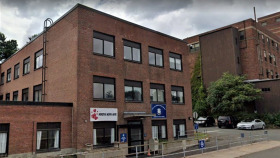
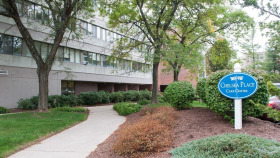
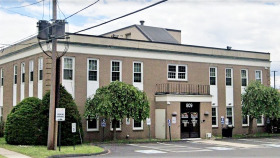
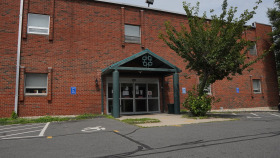
There are 34 treatment facilities in the Hartford listings, spanning medical detox, residential care, and a large base of outpatient providers. Major health systems anchor the local landscape. Hartford HealthCare operates the region’s most comprehensive behavioral health network, including Rushford, Blue Hills Hospital in Hartford, and The Ridge Recovery Center for residential care.
Nonprofit and community providers such as InterCommunity Health Care and Wheeler Health round out the picture, offering detox, medication-assisted treatment, and outpatient services on sliding-scale terms. For a broader look at how programs are structured, our overview of addiction treatment options explains what to expect at each stage.
Opioids remain the primary driver of overdose deaths across Connecticut, and Hartford is one of four municipalities the state has designated for concentrated harm reduction investment because of its overdose burden. In 2024, Hartford HealthCare reported doubling its capacity for both medical detoxification and residential rehab in response to sustained demand. If opioids are part of what you or a loved one is facing, our guide to opioid use disorder covers treatment options and what recovery typically involves.
One notable local resource is the City of Hartford’s Overdose Data to Action (OD2A) program, run through the Department of Health and Human Services, which pairs a recovery navigator with street-level harm reduction outreach. Combined with the statewide 24/7 DMHAS Access Line, it gives residents multiple entry points to care regardless of insurance status or ability to pay.




Cost of Rehab in Hartford
The price of treatment in Hartford depends far more on the level of care and length of stay than on the city itself. Connecticut is one of the more expensive states in the country for residential care, so it helps to anchor expectations in statewide averages before narrowing down by program.
The figures below reflect Connecticut averages by treatment type. Given the higher cost of living across the Greater Hartford area, costs at private programs in the city tend to fall at or above these state figures, though many facilities offer sliding-scale rates, insurance-based coverage, and financial assistance that substantially lower what you actually pay.
These averages cover a full episode of care, not a single day or session, and the range within each category is wide. A short medically supervised detox followed by intensive outpatient care can cost a fraction of a long residential stay while still providing evidence-based treatment. Several factors shape your final cost:






How to Pay for Rehab in Hartford
Across the 34 facilities in the Hartford listings, most accept more than one form of payment, and the majority work with either private insurance or a public program. Self-payment is accepted at 26 facilities and private insurance at 23, while 20 accept Connecticut’s Medicaid program and 14 accept Medicare.
Coverage does not stop there. Sliding-scale fees, financial assistance, financing plans, and a smaller number of free and TRICARE-accepting programs all appear in the local mix. The cards below show how payment acceptance breaks down.






Understanding which of these applies to your situation is the first step toward an affordable plan. The sections below explain the most common paths to paying for care in Hartford.
Medicare
Medicare covers substance use treatment for eligible residents, generally those 65 and older or living with a qualifying disability. Part A applies to hospital and inpatient care and Part B to outpatient services and provider visits, while many enrollees carry a Medicare Advantage plan that bundles additional benefits.
Fourteen Hartford-area facilities accept Medicare. Because coverage details and prior-authorization rules vary by plan, it is worth confirming benefits before admission; our guide on using insurance for rehab walks through how to verify what your plan covers.
Medicaid
Connecticut’s Medicaid program is called HUSKY Health, and it is one of the most widely accepted public payers in the Hartford listings, with 20 facilities participating. HUSKY covers detox, residential and outpatient treatment, and medication-assisted treatment using methadone, buprenorphine, and naltrexone, typically with little or no out-of-pocket cost for enrollees.
Behavioral health services under HUSKY are administered through the Connecticut Behavioral Health Partnership, and enrollees do not need a referral to access addiction treatment. Residents who earn slightly too much to qualify for HUSKY may still find free coverage through the state’s Covered Connecticut program.
Military Benefits
Four Hartford-area facilities accept TRICARE, the health program for active-duty service members, retirees, and their families. Coverage typically includes detox, inpatient, and outpatient care, though network rules and referral requirements depend on the specific TRICARE plan. Veterans may also access care through the VA in addition to community programs; our rehab resources for veterans outline the options.
Insurance and Private Pay
Private insurance is accepted at 23 facilities and self-payment at 26, making these the most common ways people pay for treatment in Hartford.
Connecticut law requires most commercial plans to cover medically necessary detox and substance use treatment, and many plans limit or waive prior authorization for addiction medications. Confirming in-network status ahead of time helps avoid surprise costs. Major carriers active in the Hartford market include:
- Aetna
- Anthem Blue Cross Blue Shield
- Cigna
- ConnectiCare
- UnitedHealthcare
- TRICARE
Other Low-Cost Options
For residents without insurance or with limited income, 10 Hartford facilities offer sliding-scale fees, 11 offer financial assistance, and 6 offer financing plans that spread the cost over time. Sliding-scale programs set fees based on income and household size, which can bring the price of outpatient care down significantly.
Free Treatment Programs
One facility in the Hartford listings offers fully free treatment, and additional state-funded and grant-supported options exist beyond the directory. Connecticut distributes federal Substance Abuse Prevention and Treatment Block Grant funds to certified providers, and community programs frequently offer no-cost services to uninsured residents. If cost is the main barrier, our guide to rehab scholarships explains another route to funded care.
Levels of Care Available in Hartford
Hartford offers a full continuum of care, from around-the-clock medical detox through flexible outpatient programming. The listings include 8 detox facilities, 20 inpatient programs, and 22 outpatient providers, alongside 19 programs equipped to treat co-occurring mental health conditions. The cards below show what is available locally.





Medical detox is the starting point for many people with physical dependence on alcohol, opioids, or benzodiazepines. Supervised withdrawal management keeps patients medically stable and comfortable during the earliest and often most difficult phase of treatment.
Hartford HealthCare expanded its detox capacity in 2024, and community providers like InterCommunity Health Care operate medically monitored withdrawal programs in the city. Learn more about what to expect from medical detox.
Inpatient and residential rehab provides 24-hour care in a structured live-in setting, which suits people with more severe substance use or those who need distance from a high-risk environment. With 20 inpatient programs in the listings, Hartford offers a range of residential options including long-term care. Our overview of inpatient rehab explains how residential treatment works.
Outpatient and intensive outpatient care lets people live at home while attending scheduled treatment sessions, making it a practical fit for those with work, school, or family obligations. It is the largest category locally, with 22 outpatient providers. See how outpatient rehab and intensive outpatient programs are structured.
Dual diagnosis programs treat substance use and a co-occurring mental health condition at the same time, which improves outcomes for the many people who experience both. Nineteen Hartford facilities offer this integrated care, addressing conditions such as co-occurring depression alongside addiction treatment.
A single partial hospitalization program and 3 sober living homes extend the local continuum. Sober living and other step-down supports help people maintain stability after intensive treatment; our guide to rehab aftercare covers how continuing care sustains long-term recovery.
Specialty Programs in Hartford
Beyond general treatment, many Hartford facilities tailor programming to specific populations and substances. Young adult programming is especially well represented locally, alongside strong options for older adults, gender-specific care, and substance-specific treatment for alcohol and opioids. The cards below reflect the specialties available in the listings.






Alcohol treatment is available at 20 programs, reflecting the fact that alcohol use disorder remains one of the most common reasons people seek care. Opioid-focused treatment appears at 16 programs, an important resource given that opioids drive the majority of overdose deaths in Connecticut.
Our guide to opioid use disorder covers what treatment involves. Six facilities offer LGBTQ+ affirming addiction care, providing an environment where identity is understood as part of treatment rather than an afterthought. Gender-specific programming is broadly available, with 17 men’s and 16 women’s programs, and 11 facilities offer care designed for older adults, whose treatment needs often intersect with chronic health conditions and medication management.
Free and Low-Cost Rehab Resources in Hartford
Cost and insurance status should not be the barrier that keeps someone from getting help. Hartford has one of the more developed networks of free and low-cost support in Connecticut, from statewide crisis and referral lines to city-run harm reduction and community treatment providers. The resources below are grouped by category, and most are available regardless of ability to pay.
Crisis and Referral Lines
- 988 Suicide and Crisis Lifeline — Call or text 988 for free, 24/7 support during a mental health or substance use crisis. Calls route to the Connecticut 988 Contact Center. Learn more about crisis and suicide prevention resources. https://988lifeline.org/
- DMHAS Access Line — 1-800-563-4086. Operated 24/7 by Wheeler on behalf of the Connecticut Department of Mental Health and Addiction Services, connecting residents to same-day walk-in assessment centers and treatment referrals. https://portal.ct.gov/dmhas/programs-and-services/finding-services/dmhas-bed-availability
- SAMHSA National Helpline — 1-800-662-HELP (4357). Free, confidential, 24/7 treatment referral and information service. https://www.samhsa.gov/find-help/helplines/national-helpline
- Connecticut 211 — Dial 211 or 1-800-203-1234. United Way of Connecticut’s statewide line for referrals to treatment, housing, and social services. https://www.211ct.org/
City and County Health Department
- City of Hartford Overdose Data to Action (OD2A) Program — Run through the Department of Health and Human Services, OD2A distributes naloxone, fentanyl test strips, and safer-use supplies and connects residents to services through a recovery navigator. Reach the program at (939) 248-8013. https://portal.ct.gov/dph/
Community and Nonprofit Providers
- InterCommunity Health Care — Provides medically monitored detox, medication-assisted treatment, and outpatient care with a sliding fee scale for those who qualify. Website: intercommunityct.org.
- Wheeler Health — Offers outpatient substance use and behavioral health services at multiple locations around Hartford. Website: wheelerhealth.org.
- Connecticut Community for Addiction Recovery (CCAR) — A statewide, peer-run recovery organization offering recovery coaching and community support. Website: ccar.us. See more on 12-step and peer support groups. https://ccar.us/
Harm Reduction
- Greater Hartford Harm Reduction Coalition (GHHRC) — Operates “557 The Drop,” a low-threshold drop-in center in Hartford offering naloxone, overdose prevention training, syringe services, and assistance obtaining identification. https://portal.ct.gov/-/media/dmhas/adpc/presentations/5-hhr-sud-during-pandemic.pdf
- The Hub (RBHAO Region 1) — 475-282-3521, thehubct.org. The regional behavioral health action organization providing free naloxone and training. https://catalystct.org/the-hub/
Government and Medicaid
- Connecticut HUSKY Health (Medicaid) — Apply online through Access Health CT or the Department of Social Services. Covers substance use treatment at no or low cost for eligible residents. https://www.huskyhealthct.org/members.html
- Covered Connecticut Program — Provides free health coverage, including substance use treatment, for adults who earn too much for HUSKY but still have limited income. https://portal.ct.gov/dss/health-and-home-care/covered-connecticut-program
Drug and Alcohol Use Statistics in Hartford
Connecticut recorded a significant decline in overdose deaths in 2024, but the numbers remain high, and Hartford County continues to carry one of the heavier burdens in the state. Statewide, the Department of Public Health confirmed 990 drug overdose deaths in 2024.
This was down from roughly 1,338 the previous year, part of a three-year downward trend that officials credit in large part to widespread naloxone distribution. The figures below put the local and state picture in context.
Opioids, and fentanyl in particular, drive the overwhelming majority of these deaths. The state medical examiner attributed 78% of the 2024 overdose deaths to fentanyl, underscoring why fentanyl’s overdose risk is central to prevention efforts in Hartford.
Alcohol remains a parallel concern: roughly 13.7% of Hartford adults reported binge drinking in recent local health data, in line with broader patterns across the region.
Hartford’s designation as a state priority for harm reduction reflects this data. For context on how Connecticut compares with the rest of the country, see our page on national substance use statistics.
Resources
- Connecticut Department of Public Health. (2025). Governor Lamont Announces Dramatic Decline in Overdose Deaths in Connecticut. portal.ct.gov.
- Connecticut Office of the Chief Medical Examiner. (2025). 2024 Drug Intoxication Deaths. Reported via Connecticut Hospital Association. https://portal.ct.gov/-/media/ocme/statistics/accidental-drug-intoxications-2014-to-2025.pdf
- Connecticut Department of Public Health, Injury and Violence Surveillance Unit. (2024). Drug Overdose Deaths Monthly Report (county rates, 2020-2022). https://portal.ct.gov/dph/-/media/
- Centers for Disease Control and Prevention. (2024). Age-Adjusted Drug-Induced Mortality Rates, Connecticut and United States, 2023. https://www.cdc.gov/nchs/products/databriefs/db549.htm
- Connecticut Department of Mental Health and Addiction Services. (2024). Opioid Services and 24/7 Access Line. portal.ct.gov/dmhas.
- City of Hartford Department of Health and Human Services. (2025). Overdose Data to Action (OD2A) Program Directory. hartfordct.gov.