





Find drug and alcohol rehab in Grand Junction, Colorado, with a local directory of 20 treatment providers serving Mesa County and the wider Western Slope. Compare detox, inpatient and outpatient options, see which programs take Health First Colorado and private insurance, and connect with free county resources when cost is a concern.
How We Rank Listings
Our Grand Junction directory brings together licensed drug and alcohol treatment providers so you can compare them in one place. Listings are organized to surface the information that matters most when choosing care, including the levels of treatment a program offers, the insurance and payment types it accepts, the populations it serves and its accreditation and licensing status.
We prioritize programs that hold current state licensure and recognized third-party accreditation, that publish clear information about their services, and that serve a documented local need.
We do not accept payment in exchange for a higher ranking. When details cannot be independently confirmed, we leave them out rather than guess, and we encourage you to verify licensing, insurance acceptance and availability directly with any provider before you enroll.
Rehab in Grand Junction: What to Know
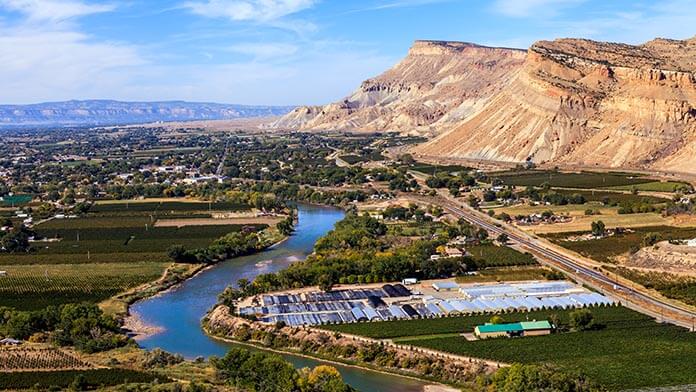
Grand Junction is the seat of Mesa County and the largest city on Colorado’s Western Slope, with roughly 155,000 residents countywide. Because it functions as the regional hub for a wide rural catchment, its treatment providers often serve people traveling in from smaller communities across western Colorado and eastern Utah.
The directory currently lists 20 addiction treatment options in and around the city, spanning medical detox, residential care and several tiers of outpatient support. You can also browse the full Colorado rehab directory to compare options in other parts of the state.
Local behavioral health care runs through a mix of public and private providers. Mesa County Public Health operates a Behavioral Health Division and coordinates the Mesa County Opioid Response Group, a coalition of health systems, recovery organizations and county agencies.
Furthermore, Intermountain Health’s Grand Junction Integrated Addiction Medicine Clinic, Mind Springs Health and Health Solutions West are among the larger providers offering substance use and co-occurring mental health services on the Western Slope, and Peer 180 is a local recovery community organization staffed by people with lived experience.
Unfortunately, Mesa County has carried one of the highest overdose rates in Colorado for years. County officials reported an overdose rate of 25.9 per 100,000 residents and emergency department visits for nonfatal overdose running about 25 percent above the state average. Methamphetamine and fentanyl both feature heavily in local overdose deaths, alongside a substantial burden of alcohol-related deaths, which shapes the demand for detox and dual diagnosis care in the area.
Mesa County overdose rate has averaged 25.9 per 100,000 residents since 2000, one of the highest in Colorado. Source: Intermountain Health / Mesa County Opioid Response Group, 2025.
Cost of Rehab in Grand Junction
What you pay for treatment in Grand Junction depends far more on the level of care and how you pay than on the city itself. Statewide averages give a useful anchor, since most Western Slope programs price along the same clinical ladder. In Colorado, medical detox is the most expensive tier, followed by long-term inpatient care, with outpatient and medication programs costing considerably less.
These are state averages, not Grand Junction quotes. Actual pricing varies widely by program length, intensity, amenities and staffing, and insurance changes the math substantially. Because most Grand Junction programs are community and hospital-based rather than luxury facilities, out-of-pocket costs in the area tend to sit at or below the higher end of these ranges.
Before committing, ask any program for an itemized estimate and confirm whether it includes medications, labs and aftercare. Verifying your rehab insurance benefits is the single most useful step for narrowing what you will actually pay.





How to Pay for Rehab in Grand Junction
Across the 20 Grand Junction programs in this directory, most accept a mix of self-payment, private insurance and public coverage, and several offer sliding-scale fees or financial assistance for people who would otherwise go without care. The counts below reflect what providers in the area report accepting.





Choosing a payment path usually starts with what coverage you already hold. The subsections below outline the most common options for Grand Junction residents.
Medicare
Three programs in the directory accept Medicare, which covers medically necessary addiction treatment for adults 65 and older and for some younger people with qualifying disabilities. Part A applies to inpatient detox and hospital-based care, Part B to outpatient services and Part D to medications used in treatment.
Coverage depends on the policy and often carries deductibles and coinsurance. Keep in mind that not every facility participates, so confirming acceptance in advance matters. Our guide to using insurance for rehab explains how to check your benefits before you enroll.
Medicaid
Colorado’s Medicaid program, Health First Colorado, covers the full continuum of substance use disorder care, including medical detox, residential and inpatient treatment, intensive outpatient programs, standard outpatient counseling and medication-assisted treatment such as methadone and buprenorphine. Eight Grand Junction programs accept Health First Colorado
Behavioral health services carry no copays for members, and no referral is required to begin substance use treatment. Members belong to a regional organization that helps coordinate care, and you can enroll or check eligibility through Health First Colorado.
Military Benefits
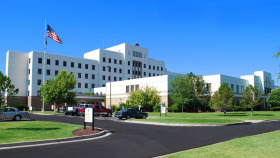
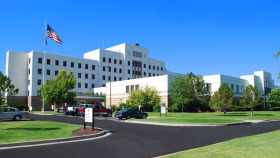
Six programs report accepting TRICARE, and Grand Junction is also home to a VA Medical Center that provides substance use treatment at no cost to enrolled veterans. Service members, veterans and their families can review additional rehab resources for veterans and military to understand what is covered and how to access it.
Insurance and Private Pay
Fifteen programs accept private health insurance, and all 20 accept self-payment. If you carry a commercial plan, federal and state parity laws require that substance use benefits be no more restrictive than medical and surgical benefits. It is important to know that prior authorization and network rules still apply.
Paying out of pocket remains an option for those without coverage, and many programs will discuss cost up front.
Other Low-Cost Options
Eight programs offer sliding-scale fees, five provide financial assistance and six offer financing arrangements that spread payments over time. Sliding-scale pricing adjusts the amount you pay based on income and household size, bringing community-based care within reach for uninsured and underinsured residents.
If cost is the main barrier, ask each program directly what assistance it offers, and review options for free rehab through scholarships.
Levels of Care Available in Grand Junction
Grand Junction programs cover most points on the treatment continuum, from medically supervised withdrawal through long-term outpatient support. The directory lists 9 detox providers, 9 inpatient programs, 19 outpatient clinics, 11 dual diagnosis programs and 2 sober living homes.



Medical detox is often the first step for people with physical dependence on alcohol, opioids or benzodiazepines, providing supervised withdrawal management before ongoing treatment begins. Given the local burden of alcohol-related and methamphetamine-related deaths, supervised detox capacity is an important part of the Grand Junction picture.
Inpatient rehab, also called residential treatment, provides 24-hour structured care in a licensed facility, which can help people who need distance from a home environment tied to their substance use. Outpatient rehab lets people live at home while attending scheduled treatment, and it is the most widely available level of care in the area, which matters for rural residents who cannot relocate for weeks at a time.
Eleven programs offer dual diagnosis care for people managing a substance use disorder alongside a mental health condition such as co-occurring depression or anxiety, treating both together rather than in isolation. Sober living homes and other rehab aftercare options support the transition back to daily life once a structured program ends.
Specialty Programs in Grand Junction
Many Grand Junction providers tailor treatment to specific populations, which can make care feel more relevant and easier to stay engaged with. The counts below reflect programs in the directory that report each specialty focus.






Alcohol and opioid programs are the most common specialty focus locally, consistent with the substances most often involved in Mesa County overdose and alcohol-attributable deaths. Programs addressing alcohol use disorder and opioid use disorder make up the largest share of specialty care in the directory. Seven providers offer LGBTQ+ affirming addiction care, and five offer programming built around the needs of veterans and service members, drawing on rehab resources for veterans and military. Younger clients have 15 young adult programs to choose from, and older adults have three programs geared toward their needs.
Free and Low-Cost Rehab Resources in Grand Junction
When paying for treatment is a barrier, Mesa County has a network of free and low-cost resources that can connect you with care, crisis support and harm-reduction supplies.
The organizations below serve Grand Junction and the surrounding Western Slope and can help you find the right next step at little or no cost.
Crisis and Support Lines
- 988 Suicide and Crisis Lifeline
Call or text 988
Free, confidential support 24/7 for any mental health, substance use or emotional crisis. See our crisis support resources for more. - Colorado Crisis Services
Call 1-844-493-8255 or text “TALK” to 38255
Statewide behavioral health crisis help; veterans can press option 1 for a specialist. - SAMHSA National Helpline
1-800-662-HELP (4357)
Free, confidential 24/7 treatment referral and information.
County and Community Resources
- Mesa County Public Health, Behavioral Health Division
https://www.mesacounty.us/departments-and-services/public-health/behavioral-health
Coordinates the Mesa County Opioid Response Group and community behavioral health programs. - Grand Valley Connects
https://www.mesacounty.us/departments-and-services/public-health/individual-and-family/grand-valley-connects
A Mesa County resource-navigation service that helps residents find and connect with local mental health and substance use support. - Health Solutions West
https://healthsolutionswest.org/grand-junction/
A nonprofit behavioral health and substance use provider serving the Western Slope that treats everyone regardless of ability to pay. - Peer 180 Recovery Community Organization
https://peer-180.com/
A Grand Junction recovery community organization offering peer support from people with lived experience of recovery. - Western Colorado 211
https://wc211.org/
Dial 211 to connect with local health, housing and social service resources.
Harm Reduction
- Mesa County Public Health Naloxone Kiosks
https://www.mesacounty.us/departments-and-services/public-health
Free naloxone is available at public kiosks across the county, including the Mesa County Public Health Clinic (510 29 1/2 Road) and Colorado Health Network (1001 Wellington Ave.), both in Grand Junction.
Veterans and Military
- Grand Junction VA Medical Center
https://www.va.gov/western-colorado-health-care/locations/grand-junction-va-medical-center/
2122 North Avenue, Grand Junction, CO 81501. Walk-in emergency services or call 970-242-0731 during business hours or 970-263-2800 for the after-hours care line. Enrolled veterans can access substance use treatment at no cost.
Drug and Alcohol Use Statistics in Grand Junction
Mesa County has consistently ranked among the hardest-hit counties in Colorado for overdose. Overdose deaths dropped to 34 in 2024 from 43 in 2023, mirroring a statewide decline, but the county’s long-run overdose rate remains well above the state average, and alcohol continues to claim more local lives each year than drug overdose.
Among the 36 substance-involved deaths recorded in Mesa County in 2024, methamphetamine was present in 53 percent and fentanyl in 25 percent, underscoring how stimulant and opioid use overlap locally. For national context on how these patterns compare, see our national substance use statistics.
Resources
- Intermountain Health. (2025). Intermountain Health Joins Community to Bring Awareness to Overdose Deaths. https://news.intermountainhealth.org/intermountain-health-joins-community-to-bring-awareness-to-overdose-deaths/
- Mesa County Public Health. (2025). Naloxone Kiosk Impact Report. https://www.mesacounty.us/news/public-health/naloxone-kiosk-impact-report-highlights-importance-access-life-saving-medication
- Mesa County Public Health. (2025). Behavioral Health Division. https://www.mesacounty.us/departments-and-services/public-health/behavioral-health
- Colorado Department of Health Care Policy and Financing. (2025). Programs for Individuals Needing Behavioral Health Services. https://hcpf.colorado.gov/programs-individuals-needing-behavioral-health-services
- Addictions.com. (2025). Alcohol and Drug Rehabs in Colorado. https://www.addictions.com/rehabs/colorado/
- Suicide Prevention Mesa County. (2025). Resources. https://suicidepreventionmc.org/resources/