







How We Rank Listings
Every rehab center in the Centennial directory is a licensed or accredited provider, and listings are organized to help you compare real options rather than to promote one facility over another. We prioritize programs that hold state licensure through the Colorado Behavioral Health Administration and independent accreditation from the Joint Commission or CARF, and we label any sponsored placement clearly so you always know what you are looking at.
Listing details reflect the levels of care, specialty tracks, and payment types each facility reports, drawn from public licensing records and facility information. Because openings and insurance participation change, confirm current availability and program specifics directly with a center when you reach out. The aim is to give you an accurate starting point for finding care close to home.
Rehab in Centennial: What to Know
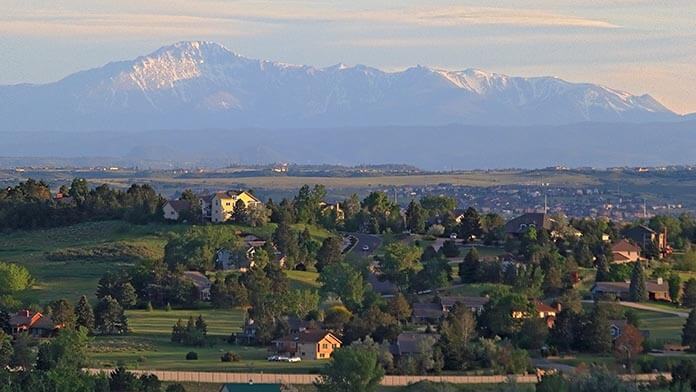
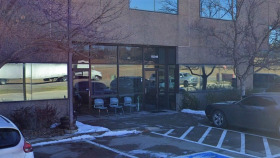
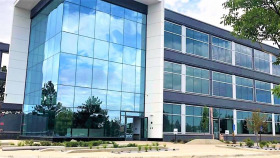
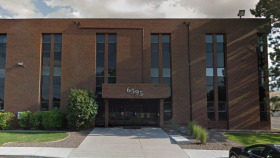
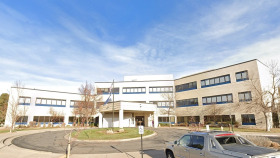
Centennial is one of the largest suburbs in the south Denver metro, an Arapahoe County community with a strong base of addiction treatment. The area has 10 rehab centers that skew toward detox and accredited private programs, and you can compare every nearby option through the Colorado rehab directory.
AllHealth Network, the community behavioral health provider for Arapahoe and Douglas counties, serves Centennial with substance use treatment, medication-assisted treatment, and 24/7 crisis care. Public behavioral health for residents with Health First Colorado is coordinated by Colorado Access, the regional accountable entity for the Denver metro. Arapahoe County Public Health maintains free Narcan kiosks in Centennial as part of its harm-reduction program.
Centennial shares the metro’s fentanyl-driven overdose burden, though Arapahoe County has reported a recent decline that officials credit partly to expanded naloxone access. Statewide, Colorado overdose deaths began falling in 2024, which makes fast access to fentanyl-aware treatment and naloxone especially valuable.




Cost of Rehab in Centennial
The cost of rehab in Centennial depends on the level of care, program length, and whether you use insurance. Colorado ranks around the middle nationally for treatment affordability, with a statewide residential average of roughly $56,413 without insurance, though most people pay a fraction of that once insurance benefits are applied. The figures below reflect Colorado averages by care type.
Medical detox is the most expensive level of care, at an average of $139,079 statewide (National Center for Drug Abuse Statistics, 2022).
Long-term inpatient rehab in Colorado averages $49,781 (National Center for Drug Abuse Statistics, 2022).
Outpatient addiction treatment averages $8,272, far less than residential care (National Center for Drug Abuse Statistics, 2022).
Outpatient methadone treatment is the most affordable option, averaging $7,349 (National Center for Drug Abuse Statistics, 2022).
Actual costs vary with setting, amenities, and length of stay. Outpatient programs cost far less than residential care, while medical detox and inpatient stays carry the highest price tags. Because several Centennial programs are private and accredited, out-of-pocket costs here can run above the state average without insurance.





How to Pay for Rehab in Centennial
Across the 10 rehab centers serving Centennial, most accept private insurance and self-payment, and a smaller share work with Health First Colorado or TRICARE. The counts below show how many local facilities report accepting each of the most common payment types.

10 accept self-payment or cash
8 accept private health insurance
1 accepts Health First Colorado (Colorado Medicaid)
2 accept TRICARE
Which option makes the most sense depends on your coverage and income. The subsections below outline how the main payment paths work for Centennial residents.
Health First Colorado (Colorado Medicaid)
Colorado’s Medicaid program, Health First Colorado, covers the full continuum of substance use care, from detox to outpatient counseling and medication-assisted treatment. Because Centennial’s directory leans private, only one facility here reports accepting Health First Colorado; Colorado Access, the regional accountable entity for the metro, and AllHealth Network can connect covered members to participating providers nearby.
Medicare
Medicare covers substance use treatment that is medically necessary, including inpatient care under Part A and outpatient services and counseling under Part B, with Medicare Advantage plans offering the same benefits. Local Medicare participation among Centennial facilities is limited, so older adults may find more options at larger programs elsewhere in the metro.
Military and TRICARE
Veterans and active-duty families have several routes to care. Two area facilities accept TRICARE, and the VA coordinates services through the Rocky Mountain Regional VA Medical Center in nearby Aurora. See more rehab resources for veterans and military families.
Insurance and Private Pay
Most Centennial centers in the directory accept private insurance or self-payment, the most widely accepted payment types locally. Coverage varies by plan and network status, so verify benefits before you commit. Major carriers active in Colorado include:
- Anthem Blue Cross and Blue Shield
- Kaiser Permanente
- UnitedHealthcare
- Cigna
- Aetna
- Rocky Mountain Health Plans
Other Low-Cost Options
For those without full coverage, a small number of Centennial centers offer sliding-scale fees or financial assistance. AllHealth Network serves residents regardless of ability to pay, Colorado Access can direct members to covered treatment, and treatment scholarships can help close the gap.
Accreditation
Accreditation signals that a program meets independent quality standards. Centennial is comparatively well accredited for its size: two facilities hold Joint Commission accreditation, three carry LegitScript certification, and two are NAATP members. Accreditation is separate from state licensure, which every legitimate Colorado provider must maintain.
Levels of Care Available in Centennial
Centennial offers care across the continuum, with 7 detox programs, 5 inpatient programs, and 9 outpatient clinics reported locally, plus partial hospitalization and intensive outpatient options. Some facilities also treat co-occurring mental health conditions.

7 medical detox facilities

5 inpatient rehab programs

2 partial hospitalization programs

1 intensive outpatient program
9 standard outpatient clinics

2 dual diagnosis programs

1 sober living home
Medical detox provides 24-hour supervision to manage withdrawal safely and is the usual first step for opioid or alcohol dependence. Seven area programs offer medically supervised detox, a notably deep bench for a suburb this size.
Inpatient and residential rehab provides structured, live-in treatment. Five local inpatient rehab programs serve people who need to step away from daily triggers.
Partial hospitalization and intensive outpatient offer structured, high-frequency treatment while a person lives at home. Centennial reports two partial hospitalization programs and one intensive outpatient program.
Outpatient treatment lets people live at home while attending scheduled sessions, with 9 clinics reported. It suits people balancing work or family and those stepping down from residential care.
Dual diagnosis care treats addiction alongside conditions like depression or anxiety. Two reporting facilities address co-occurring disorders, and more options are available across the metro.
Specialty Programs in Centennial
Centennial facilities tailor treatment to several key groups and substances. The counts below reflect programs that report each specialty focus.

9 alcohol rehab programs

4 women’s programs

4 men’s programs

4 young adult programs

4 opioid rehab programs
Alcohol is the most widely reported specialty locally, with nine programs focused on alcohol use disorder, and four treat opioid use disorder. Centennial programs also serve women, men, and young adults, with additional specialty options available across the wider Denver metro.
Free and Low-Cost Rehab Resources in Centennial
Cost should not keep anyone from help. Centennial residents can reach crisis support, treatment access lines, and harm-reduction resources at no charge, including crisis and suicide-prevention support around the clock.
Crisis and Helplines
- 988 Suicide & Crisis Lifeline: Call or text 988 any time for a mental health or substance use crisis.
- Colorado Crisis Services: 1-844-493-8255, or text TALK to 38255, for 24/7 confidential support and statewide walk-in crisis centers.
- Never Use Alone: 1-800-484-3731, a 24/7 overdose-prevention hotline that stays on the line during use.
Local Treatment and Recovery
- AllHealth Network: The community behavioral health provider for Arapahoe and Douglas counties, offering substance use treatment, MAT, and 24/7 crisis care (allhealthnetwork.org).
- Colorado Access: The regional accountable entity connecting Health First Colorado members in the metro to covered care (coaccess.com).
Government and Harm Reduction
- Arapahoe County Public Health Harm Reduction: Free naloxone, fentanyl test strips, and Narcan kiosks, including locations in Centennial (arapahoeco.gov).
- Stop the Clock Colorado: An interactive statewide map to find the nearest free naloxone under Colorado’s pharmacy standing order (stoptheclockcolorado.org).
- Colorado 211: Dial 211 to connect with local health, housing, and treatment resources (211colorado.org).
Drug and Alcohol Use Statistics in Centennial
Centennial sits in Arapahoe County, which recorded 194 drug overdose deaths in 2022, among the highest county totals in Colorado, before officials reported a recent decline they attribute partly to expanded naloxone access. Statewide, more than 1,600 Coloradans died of a drug overdose in 2024, but overdose data show fentanyl and other opioid deaths falling sharply over the most recent year measured.
Drug overdose deaths in Arapahoe County in 2022, among the highest county totals statewide (Colorado Department of Public Health and Environment, 2024).
Drug overdose deaths statewide in Colorado in 2024, with more than 10,000 nonfatal overdose emergency visits (CDPHE, 2025).
Decline in Colorado synthetic-opioid (fentanyl) overdose deaths over the 12 months ending October 2024 (CDC / Colorado Consortium, 2025).
Resources
- Colorado Department of Public Health and Environment. (2024/2025). Colorado drug overdose data. cdphe.colorado.gov.
- Arapahoe County Public Health. (2024). Harm reduction and Narcan kiosks. arapahoeco.gov.
- Colorado Consortium for Prescription Drug Misuse Prevention. (2025). Decline in fentanyl overdoses. corxconsortium.org.
- AllHealth Network. (n.d.). Substance use and crisis services. allhealthnetwork.org.
- Health First Colorado. (n.d.). Behavioral health and Regional Accountable Entities. healthfirstcolorado.com.
- National Center for Drug Abuse Statistics. (2022). Average Cost of Drug Rehab by Type, State and More.