


Reading Time: 4 minutes

Benzos or benzodiazepines are highly addictive prescription drugs for anxiety. Since they’re respiratory depressants, it is relatively easy to either accidentally or intentionally overdose on them. If someone you love is addicted to benzos, it is important to know about benzo overdose treatment.
Recognize the Signs of a Benzo Overdose
The first thing to know when it comes to a benzodiazepine overdose is what the signs are.
Some of the signs that an overdose is occurring include:
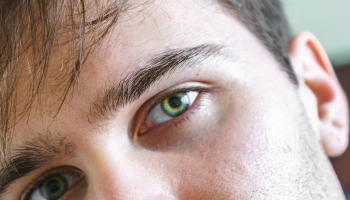
Confusion and blurred vision are signs of a benzo overdose.
- Blue colored lips or fingernails
- Confusion
- Depression
- Slow, labored, or stopped breathing
- Stupor
- Hiccups
- Rapid side to side eye movements
- Tremors
- Nausea or painful stomach
- Uncoordinated movement
- Blurred vision
- Dizziness
- Double vision
If someone is exhibiting these signs, they may be suffering from an overdose of some kind. If you know they are on benzos and nothing else, there is a good chance it is a benzo overdose.
Call Emergency Services
If someone is showing the signs of benzo overdose, the first thing to do is call emergency services.
When you do, you should know:
- The person’s approximate height and weight
- How much of the substance they took
- The name, type, and strength of the benzo they are on
- If they are taking it as a prescription or recreationally
While you are on the phone with emergency services, they will ask you to check if the person is breathing and may instruct to perform CPR if needed.
What Happens at the Hospital?
Once you or the person who is in an overdose gets to the hospital, the care team will run a variety of tests. These tests are:
- Complete blood cell count
- Breathing support such as oxygen or a ventilator
- Electrocardiogram
- Fluids
- Gastric lavage
Sometimes a hospital will also give a medication called flumazenil. This medication can completely reverse the effects of a benzo overdose. Multiple doses may even counteract many of the longer-lasting benzodiazepines, so there is little chance of an overdosed person slipping back into a coma.
While this can be an effective approach, flumazenil isn’t often used in hospital settings because it does carry a serious seizure risk. This risk is highest in people who have taken benzos to achieve long-term sedation or are already showing signs of a severe benzo overdose.
When to Use Flumazenil
If the individual has ingested benzos alongside opioids, such as heroin, codeine, or fentanyl, then doctors may administer naloxone to help improve their comfort and reduce physical distress. This medication is also available over the counter.
While naloxone will not work as benzo overdose treatment, it can reverse the effects of an opioid overdose and help alleviate the symptoms enough for the individual to recover and seek additional help.
Overdose Is a Sign of Addiction
One of the signs of addiction is overdose. You can overdose by taking too many benzos at once or by mixing a benzo with another respiratory depressant, such as alcohol. These are signs that you need benzo addiction treatment.
The first step in addiction treatment is usually detox. During detox, you’ll remove the harmful substances from your body so you can physically withdraw from them. There are several different detox levels of care, including inpatient and outpatient programs.
Outpatient detox allows you to live at home while managing your withdrawal symptoms. If your addiction is mild and you have a supportive family system at home, this program may be enough to help you through withdrawal before you pursue longer-term treatment.
An inpatient detox facility helps you detox under 24/7 medical supervision. It’s typically the best choice for individuals who need around-the-clock care or who live in environments that aren’t conducive to recovery. Both inpatient and outpatient programs should also include some type of aftercare component.
This may include connecting you to community resources for further support, helping you secure sober living, or training you in areas like life skills and job readiness.
If you’re ready to break free from benzo addiction, help is available. Call
800-681-1058
( Sponsored)
to speak with someone who can help today, or browse the Addictions.com directory to find an accredited detox center near you.
Sponsored)
to speak with someone who can help today, or browse the Addictions.com directory to find an accredited detox center near you.