


Reading Time: 9 minutes
- Exercise for at least thirty minutes every day in order to live healthier, be more active, and build your confidence.
- A stressful, chaotic lifestyle can help lead to drug abuse. Find healthy ways to deal with your stress.
- Find peace in those things you already have in life instead of wishing for the things that you do not.
- Avoid using short-term solutions for problems. It will make you less likely to abuse drugs as a quick fix for unhappiness or stress.
- Spend time outdoors, even when you don’t have to, to feel connected with nature.
- Take classes. Educate yourself. Never stop learning new things.
- Do not let the opinions of others be so important to your opinion of yourself. Many instances of drug abuse start with peer pressure.
- Suggest activities you know you will be comfortable with when going out with friends.
- Consider the needs of your children: those who grow up seeing their parents using drugs may have a higher risk of developing a substance use disorder later in life, for both environmental and genetic reasons.
- When you feel down, compliment yourself. There is always something better than you can say instead of berating yourself.
- Learn the dangers of drug abuse and the specific health issues caused by different drugs.
- Remember that whatever happens to you today won’t seem quite as much like the end of the world tomorrow.
- Spend time with the people who build you up, not the ones who tear you down.
- Also, make friends who are like-minded. It can be hard to stay drug-free when your friends are not.
- Be aware of your surroundings and environment. If you live in a place where drug abuse and crime is prevalent and you can move, do so.
- Remove people from your life who do not respect your decision to live drug-free.
- Remember to take care of yourself mentally, physically, and emotionally and, if something is wrong, tend to the issue.
- Neglecting to eat is one of the warning signs of drug abuse. Making sure to practice good nutrition is key to a healthy, drug-free life.
- Don’t ever hesitate to ask for advice if you are confused, scared, or unsure of what to do next.
- Avoid places where you know that drugs and alcohol are available.
- Make regular doctors’ visits in order to stay healthy and to know what aspects of your well-being you may need to work on.
- If you are offered drugs, be polite but confident in your refusal of them. It causes both parties to be calmer and to justify their own behavior.
- Practice mindfulness by being aware of yourself in the present. Research supported by the National Center for Complementary and Integrative Health (NCCIH) suggests that mindfulness-based practices can help people manage stress and reduce symptoms of anxiety and depression.
- Remember that drug abuse can lead to addiction, a chronic brain disease that affects behavior and judgment and can lead to relapse even after years of treatment. According to NIDA, 40 to 60 percent of people with a substance use disorder experience relapse at some point in their recovery.
- Whenever possible, try to cut down the amount of toxic or stressful people and issues you deal with that are not mandatory to your life.
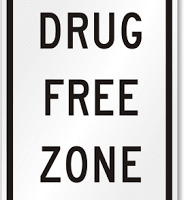

You CAN lead a drug-free life!
- Take into consideration that most young people do not use drugs. According to SAMHSA’s 2024 National Survey on Drug Use and Health, the percentage of adolescents reporting past-month use of most substances has decreased or remained stable in recent years.
- Make a list of things you have fun doing that don’t involve drugs. Keep your list and pick activities from it when necessary.
- Write in a journal or blog as much as possible to externalize your feelings and keep them from staying bottled up.
- Take pains to monitor yourself, your feelings, and your needs. Be aware of yourself and which issues are most important to you.
- Seek treatment when a compulsion, a feeling, or an addiction goes beyond your control.
- Choose treatments that emphasize therapy when applicable.
- Remember that not all drugs and medications are harmful or addictive but that they can all have side effects you must be aware of. Any drug use involves risk.
- Have confidence that your decision not to do drugs is the right choice for you.
- It is all right to be friendly, helpful, and accommodating toward others, but always remember that you must look out for your own well-being too.
- Get plenty of sleep. Not having enough sleep can affect your judgment and your emotions.
- Remember that being on drugs alters your mental and emotional state. You are not yourself when you are high.
- Set aside time for yourself that doesn’t involve stress or pleasing anyone else. During this time, do the things you want to do most that are healthy and kind to you.
- Be aware of your personal risks associated with drug abuse. For example, NIDA notes that genetic factors account for approximately 40 to 60 percent of a person’s vulnerability to developing a substance use disorder.
- Don’t avoid your problems by pretending they don’t exist. It will just make things worse in the long run.
- Remind yourself of all the people who want you to be happy, healthy, and safe, states which could be compromised by your drug use.
- Don’t experiment with drugs; first use can often set the stage for dependence and other serious health issues.
- When you catch yourself being too critical, remember to talk to yourself as if you were your best friend.
- Having a stable home life can help you avoid drug abuse.
- Seek out balanced information about drugs that does not glamorize use or rely on scare tactics. Understanding the real risks is more useful than extreme messaging.
- Help others. Positive actions toward other people are beneficial to both them and you.
- Take pride in your work. Even if you are not currently happy with your job, find something about it that you do well and take pride in it.
- Make achievable goals for yourself that you can work toward. Even if the end result is something amazing or monumental, take each small goal leading up to it one at a time.
- Always drink plenty of water to keep healthy.
- Don’t put too much stock in why other people do what they do. Focus on yourself and your needs, and make sure you are taking actions that are beneficial to you and those you love.
- Try and accept the issues in your life that you can’t change.
- Attend support group meetings as a supplement to formal drug addiction treatment. You will meet other individuals who are dealing with the same issues you are.
- Many people with a substance use disorder also live with other mental health conditions. According to SAMHSA’s 2024 National Survey on Drug Use and Health, 21.2 million adults in the United States had co-occurring mental illness and a substance use disorder in 2024. Make sure to seek treatment for conditions like depression, anxiety, bipolar disorder, or PTSD alongside any substance use treatment.
- Don’t try to quit cold turkey without medical support. Abrupt cessation can lead to intense withdrawal and increase the risk of relapse. Speak with a healthcare provider about medically supervised detox or treatment options instead.
- Remember, though, that medically supervised detox is not treatment in itself — it is only the first step in the treatment process, as NIDA’s principles of effective treatment make clear.
- Don’t suffer in silence about your psychological distress or social issues. Talk to someone you can trust instead of turning to drugs.
- Remind yourself that relapsing or using drugs does not mean you have failed in your drug-free pledge, just that you have to keep going.
- Tell yourself (and believe) that you deserve a second chance.
- Accept the mistakes of your past that you cannot change, apologize for any wrongs you have done to those you care about, and move on.
- Choose a treatment facility or substance use disorder program that meets your specific needs and not just the ones that pertain to your drug use.
- Make changes whenever necessary to your treatment plan. Your plan should be assessed continually and modified as necessary to ensure that it meets your changing needs.
- Choose a treatment type or facility that is accessible, not one that you know you will never be able to attend because of distance, cost, or other barriers.
- Give yourself a realistic treatment plan, and do not take on abstinence or treatment goals that are beyond your current point in your recovery.
- Realize that you’re human. Relapse may occur, but do not give up on your treatment or yourself.
- Make sure whatever treatment option you choose that you are comfortable. Do not choose a facility or program that you are uneasy about.
- Attend family and relationship counseling to work on the relationships that experienced issues due to your drug use.
- Use therapy in order to change your outlook toward drug use. If you can change your attitude and your perspective, you can actively change your behavior.
- Consider low-cost or free treatment options. Drug addiction can take a toll on a person’s financial situation, and your treatment does not need to cost you as well.
- If school, work, or other stressors were major factors in your decision to use drugs, take time away from these responsibilities if at all possible.
- Get to know your nurses, doctors, and therapists on staff at your treatment facility. They want to help you recover and see you live a drug-free life too.
- Admitting to and recognizing your substance use problem is the first step to your eventual recovery.
- Talk to others in group therapy, but remember to listen as well.
- Be kind to yourself during rehab because it is a very difficult time.
- Learn to recognize when you made excuses for your drug use, and choose to stop doing so.
- Ask a friend to stay with you, especially if you are going through withdrawal.
- Attend treatment for as long as necessary.
- Make the necessary changes to your life that you know you must after you recover from drug use.
- Congratulate yourself for milestones; reward yourself for specific amounts of time sober or other moments of significance with abstinence-friendly prizes.
- Do whatever you must (attend support groups, teach abstinence to young people, etc.) to be mindful of the fact that your recovery is an ongoing process.
- Be wary that stopping your drug use does not manifest in another unhealthy way like extreme weight loss or gain, or untreated depression.
- Keep in touch with the friends you make during treatment.
- Consider the things about sober life you’d neglected or missed out on while using drugs.
- Always try to be honest with yourself about how you feel. Denial is one of the common patterns associated with substance use disorders.
- Be honest with others as well, and they will not have a reason to doubt you.
- If you will be without stable housing or employment after rehab, ask about sober living or transitional housing options that can help you get back on your feet.
- Sober living houses are also beneficial for helping people in recovery stay in an alcohol-free and drug-free environment as they reintegrate into daily life.
- When you are ready to return home from treatment, have someone remove all drugs and paraphernalia as well as those items which may become triggers.
- Remind yourself that tomorrow is a new day, a blank slate, and a completely new opportunity to be who you want to be.
- When you are struggling, think about where you were one year ago, or one month, or one week.
- Appreciate the people who helped you, recognize what they did for you, and thank them.
- If you feel yourself becoming stressed, close your eyes, take a deep breath, and count to ten. It is a simple technique, but it works.
- Keep your home clean and your things uncluttered. You will feel more organized and less frazzled.
- Anticipate and neutralize problems before they come up.
- Treat yourself every once in a while to takeout, a new outfit, or a movie, for absolutely no reason at all.
- Try and make new friends, especially if you feel lonely after rehab.
- Enjoy the restoration of your physical and mental health.
- Be candid when asked about how you made your decision to be drug-free or how you stopped using drugs. It will reinforce your decision and might help someone else as well.
- Take on a new responsibility like caring for plants or a pet. It will remind you that there are others in the world who need you and depend on you.
- Do something every day that makes you laugh. Watch funny movies, play games with friends, or do whatever brings you joy.
- Attend clubs, sports programs, and other activities where you can meet people and improve your skills.
- Try to spend time with other people when you can, but make sure that you can comfortably spend time alone as well.
- Note that substance use disorder is a preventable condition. The best way to live drug-free is to refrain from drugs from the start.