



Reading Time: 9 minutes
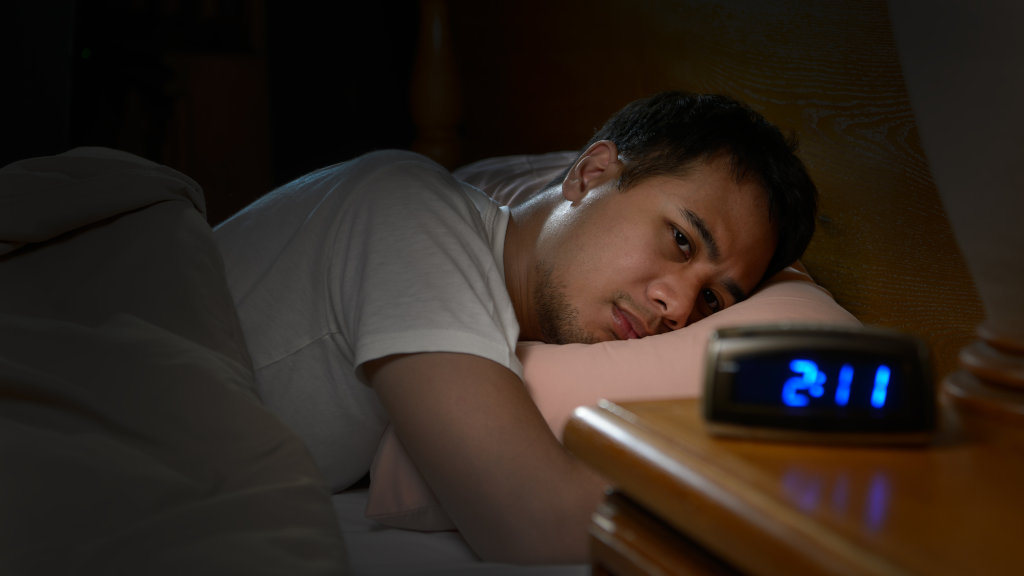
If you’re dependent on sleeping pills, help is available. This article provides strategies for finding specialized inpatient sleeping pill rehab programs that offer medically supervised detox, individualized therapy and evidence based strategies for lasting recovery.
Furthermore, we will discuss how sedative/hypnotic addiction develops, how rebound insomnia is managed and why inpatient treatment provides the safest path to recovery.
Choosing the Best Inpatient Sleeping Pill Rehab Centers
Sleeping pill addiction is a growing public health concern that often begins with a prescription for insomnia or anxiety and gradually evolves into dependence.
When dependence involves Ambien (zolpidem), benzodiazepine sleep aids or other sedative hypnotic medications, withdrawal can be severe and even dangerous without proper medical oversight.
Inpatient sleeping pill rehab programs offer a structured and supportive setting for safe medical detox, individualized therapy and relapse prevention.
These programs combine sleeping pill addiction treatment with psychological care to address underlying causes like anxiety, depression or chronic stress that fuel sedative dependence.
Choosing the best sleeping pill rehab centers means finding a facility that provides both medical stabilization and long term behavioral solutions, including therapies for insomnia that don’t involve medication.
What Are Sleeping Pills and How Do They Work?
Sleeping pills, often referred to as sedative-hypnotics, are medications designed to slow brain activity, promote relaxation and induce sleep.
They work primarily by increasing the activity of gamma-aminobutyric acid (GABA), a neurotransmitter that helps quiet the central nervous system. By enhancing GABA’s inhibitory effects, these medications reduce neural activity, allowing the body and mind to relax enough to sleep.
There are several types of sleeping pills. Non-benzodiazepine hypnotics are a category of medications commonly referred to as Z-drugs. These include medications such as Ambien (zolpidem), Lunesta (eszopiclone), and Sonata (zaleplon).
They are typically prescribed for short term insomnia relief but can quickly lead to tolerance and dependence when used beyond a few weeks.
Benzodiazepines, such as temazepam, triazolam and diazepam, are sometimes used for sleep. They are more frequently associated with rehab admissions due to their severe withdrawal symptoms, intense cravings when trying to discontinue their use and rebound insomnia.
Over the counter sleep aids (OTCs), including those that contain diphenhydramine and doxylamine, while less potent, can cause dependency when used habitually or combined with substances like alcohol.
When taken regularly, sleeping pills disrupt the body’s natural GABA balance. The brain gradually adapts to their presence by reducing its own GABA production.
This adjustment leads to tolerance, meaning larger doses are needed to achieve the same sedative effect and dependence, which triggers withdrawal symptoms when use stops.
Over time, users may find themselves trapped in a cycle of sleeplessness, anxiety and escalating medication use, making professional sleeping pill addiction treatment essential for safe recovery.
Risks and Signs of Sleeping Pill Addiction
Although sleeping pills are often prescribed for short term insomnia, even brief use can evolve into dependency.
As tolerance builds, individuals may increase their dosage to achieve restful sleep, eventually relying on the medication both physically and psychologically. What begins as a nightly sleep aid can turn into an emotional reliance, where the user believes they cannot sleep or even function without it.
The risks associated with sleeping pill addiction extend far beyond restless nights. One of the most troubling side effects is rebound insomnia.
This occurs when sleep quality becomes significantly worse once the medication is reduced or stopped. Emotional instability is also common. Anxiety, irritability and depression can intensify during withdrawal.
Prolonged use can lead to cognitive impairment, including memory lapses, confusion and sluggish thinking. At the same time, when combined with other depressants such as alcohol or opioids, sleeping pills can cause respiratory depression, which may become life threatening.
Furthermore, impaired coordination and slowed reflexes increase the risk of accidents and injuries, especially among older adults.
Common warning signs of addiction include cravings, panic or anxiety when doses are missed, and taking sleeping pills outside of prescribed hours, such as during the day for calming or emotional relief.
Individuals may also engage in “doctor shopping” to obtain multiple prescriptions, experience memory blackouts or exhibit symptoms including tremors, nausea or insomnia when attempting to quit.
Recognizing these indicators early can prevent long term health complications. Prompt admission to a sleeping pill rehab center ensures safe detoxification, medical support and behavioral therapy before dependence worsens.
Why Inpatient Rehab Is Recommended for Sedative Addiction
Inpatient sedative withdrawal care is the safest and most effective setting for treating dependence on sleeping pills. Withdrawal from these types of medications can be unpredictable and, in some cases, dangerous.
Symptoms may include seizures, hallucinations or extreme rebound insomnia. Because of this, quitting “cold turkey” without medical supervision can be life threatening.

Within an inpatient sleeping pill rehab, trained medical staff oversee a structured tapering protocol. This describes a gradual reduction in the dosage to prevent shock to the nervous system.
Medical supervision ensures patient safety while helping the brain and body adjust to functioning without sedatives. The process typically includes 24-hour monitoring, intravenous hydration and medications to manage anxiety, tremors or muscle spasms.
Inpatient care is a good choice because it offers an immersive environment free from access to addictive substances and daily stressors.
It combines medical stabilization with comprehensive psychological and behavioral treatment addressing both physical dependence and the mental health issues that often accompany addiction.
Patients participate in therapies such as cognitive behavioral therapy for Insomnia (CBT-I), mindfulness and relapse prevention counseling, which help rebuild healthy sleep habits and emotional resilience.
Additionally, peer support within the treatment community fosters motivation, accountability and shared healing experiences.
For those dependent on Ambien (zolpidem), benzodiazepines or a dual diagnosis, inpatient rehab provides the intensive, medically guided recovery necessary to achieve long term stability.
What to Expect in an Inpatient Program
The best inpatient sleeping pill rehab centers provide a structured, multi phase approach to recovery that is designed to heal both body and mind.
Treatment generally lasts between 30 and 90 days, depending on the severity of dependence, the type of sedative used and the presence of co-occurring disorders such as anxiety or depression.
The process begins with intake and assessment, during which clinicians perform a detailed evaluation of each patient’s medical history, sleep patterns, psychological background and medication use.
From this, the addictions team develops an individualized treatment plan balancing sleeping pill detox with emotional support and therapy for insomnia.
During the detox phase, withdrawal is managed through a slow, medically supervised taper. This process minimizes symptoms like rebound insomnia, anxiety and muscle tension.
Doctors may temporarily use longer acting medications or anticonvulsants to stabilize patients safely. Detox is carefully paced, as abrupt discontinuation can result in dangerous complications.
Once stabilized, patients move into therapeutic interventions that target the underlying causes of addiction and poor sleep hygiene. Evidence based therapies like CBT-I teach relaxation skills, structured sleep routines and cognitive reframing to eliminate the psychological triggers that fuel insomnia.
Not to mention, cognitive behavioral therapy (CBT) and dialectical behavior therapy (DBT) address trauma, anxiety and stress regulation.
In addition, group therapy sessions promote peer support and accountability, while holistic modalities such as yoga, meditation, biofeedback and mindfulness help reestablish calm, natural sleep rhythms.
Nutritional and lifestyle support are also integral components of recovery. Patients learn to balance diet, exercise and circadian health while reducing caffeine and screen exposure. These habits not only enhance sleep quality but also support emotional and physical well being.
Family involvement plays a key role in recovery. Loved ones receive education on the dynamics of sedative addiction, withdrawal and relapse prevention so they can offer encouragement without enabling old habits.
Finally, each works with counselors on transition planning. This includes designing an aftercare plan that involves outpatient therapy, alumni programs and peer support networks to maintain long term recovery.
Choosing the Right Rehab Center
Finding the best sleeping pill rehab centers requires careful consideration of medical expertise, therapy options and ongoing support. Every individual’s journey is unique, so selecting a program that aligns with their needs is crucial to success.
A high quality facility should have experienced medical professionals specializing in inpatient sedative withdrawal care, addiction medicine or psychiatry. These experts manage detox safely and design effective taper protocols for benzodiazepines and Z-drugs.
Programs that provide dual diagnosis treatment are ideal for individuals struggling with both addiction and co-occurring mental health conditions such as PTSD, anxiety or depression.
The most effective centers emphasize insomnia treatment without medication, offering CBT_I and other behavioral therapies that teach the body to regain natural sleep cycles. This approach avoids substituting one sedative for another.
Importantly, an accreditation from organizations like CARF, The Joint Commission or SAMHSA ensures the facility meets high standards for safety and care quality.
Equally important is individualized care. Leading sleeping pill rehab centers customize treatment plans that take into consideration factors including what drug is used and for how long and the individual’s overall health.
The best inpatient programs offer a continuum of care from inpatient detox to outpatient therapy, or sober living. This helps to ensure a seamless transition, helping to sustain progress and reduce relapse risk.
Finally, programs that offer holistic methods such as yoga, art therapy, acupuncture or neurofeedback encourage full-body healing and emotional restoration, essential components of lasting recovery.
Aftercare and Relapse Prevention
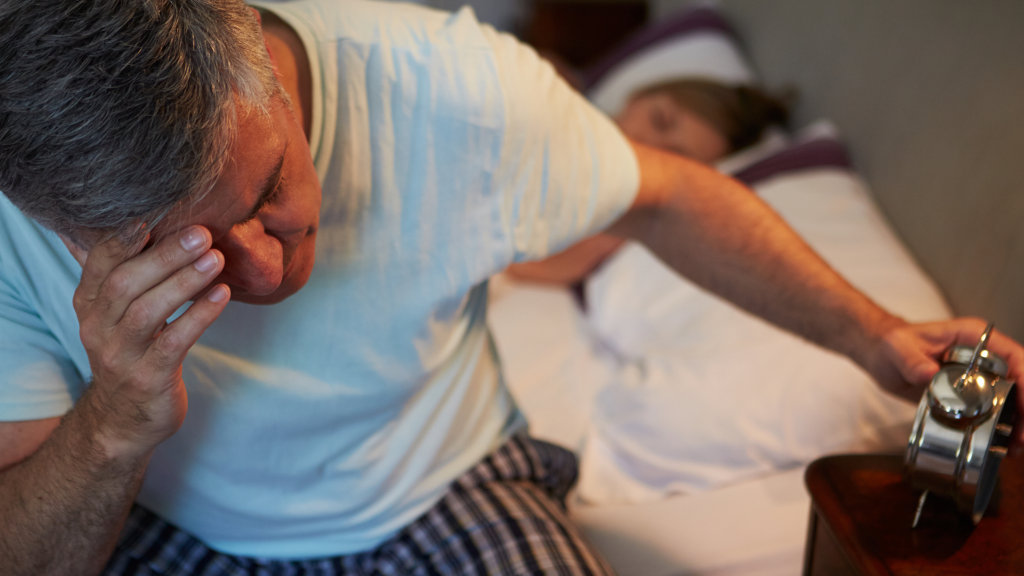
Recovery doesn’t end when a patient completes inpatient treatment. Aftercare and relapse prevention are vital for maintaining long term sobriety and healthy sleep patterns.
Most patients continue recovery through outpatient follow-up, joining an Intensive Outpatient Program (IOP) or Partial Hospitalization Program (PHP) to receive ongoing therapy, accountability and support.
Many rehab centers also offer telehealth options, allowing individuals to participate in counseling from home while adjusting to daily life.
Sleep management post rehab focuses on preventing rebound insomnia and maintaining consistent rest. Counselors teach strategies such as keeping regular sleep and wake times, avoiding caffeine and electronics before bed and using relaxation techniques like mindfulness or guided breathing to promote good sleep.
Patients who practiced CBT-I during inpatient care often continue applying those methods to manage anxiety and reinforce natural sleep cycles.
Developing a relapse prevention plan is another key element of aftercare. Counselors work with patients to identify personal triggers that may include stress, loneliness or reminders of past substance use. By identifying triggers, individuals, with the help of their addiction team, work to create proactive coping strategies.
Journaling, exercise and participation in peer support groups are good coping strategies that work to strengthen emotional resilience and confidence in recovery.
Peer and family support networks such as SMART Recovery, Refuge Recovery and 12 Step groups foster community accountability. Family members are encouraged to join educational programs that rebuild communication and establish healthy boundaries.
Finally, long term recovery support may include ongoing therapy sessions, regular medical checkups, or the use of nonaddictive sleep aids like melatonin or prescribed SSRIs, when appropriate.
By combining medical supervision, lifestyle changes and community connection, individuals leaving inpatient sleeping pill rehab can sustain progress, manage stress and experience the restorative power of natural, medication free sleep.
Sleeping Pill FAQs
What are the Signs of Sleeping Pill Addiction?
Common signs include needing higher doses to sleep, feeling anxious without medication and experiencing withdrawal symptoms such as irritability or rebound insomnia.
Individuals may also hide use, refill prescriptions early or combine pills with alcohol or other sedatives to enhance effects.
Why is Inpatient Rehab Recommended for Sleeping Pill Addiction?
Inpatient rehab provides 24 hour medical supervision, therapy and a structured environment to manage withdrawal safely.
It’s ideal for individuals with severe dependence or co-occurring mental health disorders.
How are Sleeping Pills Safely Tapered During Detox?
Medical professionals gradually reduce dosage to prevent withdrawal complications. The taper schedule depends on dosage, duration and type of sleeping pill.
The severity of withdrawal symptoms will also guide the rate at which the dose of medication is tapered.
Can Insomnia Be Treated Without Medication?
Yes. Cognitive behavioral therapy for Insomnia (CBT-I), sleep hygiene and relaxation techniques are proven effective.
How Long Does Inpatient Sleeping Pill Rehab Last?
Typically 30-90 days, depending on addiction severity and progress.