


Reading Time: 6 minutes
In 1966, The Rolling Stones released “Mother’s Little Helper.” The popular song brought attention to a pill that had grown in popularity, Valium. However, when taken in large quantities, it can be dangerous and patients may end up in need of Valium overdose treatment.
Valium is the brand name for diazepam, the most popular benzodiazepine used to treat everything from general anxiety to alcohol withdrawal effects. Learn more about the signs and treatment for Valium overdose below.
Effects of Valium
Simply put, Valium takes the edge off. Valium acts on the brain as a depressant. It offers sedating effects and is often used as a muscle relaxer and anticonvulsant in persons suffering from seizures. It is effective in helping patients feel a greater sense of ease and comfort when it’s used appropriately.
Dependence and Addiction on Valium
Unfortunately, Valium is highly addictive, and patients may develop a tolerance fairly quickly with extended use of the drug. Gradually, patients begin taking more and more to experience the same effects. What was once viewed as a “help” becomes a need to continue functioning.
Dangers of Drug Combinations or Polysubstance Use
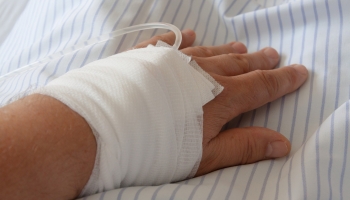
Emergency treatment for Valium overdose involves the administration of intravenous fluids.
For people with substance use disorder, the mindset is often that if one is good, two is better. In a person with addiction, their brain is constantly seeking the ultimate high. This can lead to combining drugs.
Research shows that benzodiazepines and opioids are often used together, creating a recipe for polydrug abuse. It is also common and highly dangerous to take alcohol alongside diazepam or other benzos.
Both alcohol and opioids are particularly dangerous to take with Valium because all of these substances slow down your body’s critical functions, so combining them can slow down your vital organs too much.
This can lead to overdoses, severe damage to multiple organ systems over time, and other dangerous and even life-threatening complications. The danger of combining drugs cannot be overstated.
Valium Overdose
The mental obsession that comes with addiction, coupled with the physical dependence that develops in people who regularly abuse Valium, can quickly pull a person into dangerous territory.
Seeking the ultimate high, greater relief and escape from stark daily realities, people often take more and more Valium until they achieve a toxic level in the bloodstream. Because of the manner in which the drug acts upon the body’s systems, seeking treatment for benzodiazepine toxicity is critical for long-term recovery.
Symptoms of Diazepam Toxicity
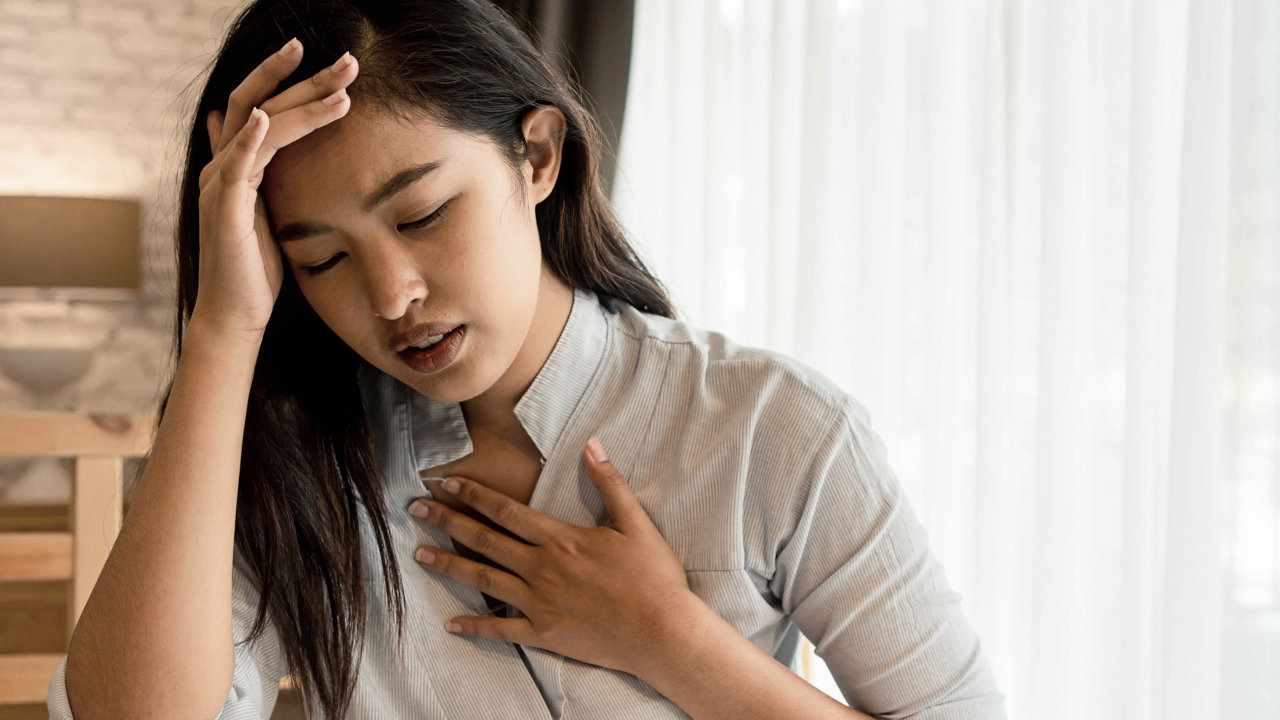
Taking too much Valium can be a recipe for falling asleep and never waking up again. The drug decreases respiration and relaxes the muscles, including the heart.
While this is helpful for anxiety in small doses, taking too much can slow your heart and your breathing too much, causing you to slip easily into a coma. Overdose symptoms need not result in coma if patients recognize the earlier toxicity signs and seek emergency treatment.
These symptoms include:
- Breathing that is slow or labored, or stops entirely
- A blue tint in the lips or fingernails
- Extreme drowsiness or fatigue
- Confusion
- Dizziness
- Rapid side-to-side eye movement
- Weakness or loss of motor coordination
- Excitability
- Blurred vision or double vision
- Stomachache
- Tremors
- Rash
- Hiccups
- Depression
What to Do in a Valium Overdose
If you experience the symptoms above or if you’re with someone who has these symptoms after taking Valium, it could signal an overdose, so you should get emergency medical care right away by calling 911.
In some cases, what looks like a straightforward Valium overdose could be caused by a combination of Valium and other drugs or alcohol. If you aren’t sure whether the person has taken opioids in addition to the Valium, or if you know that they have, you can administer naloxone (often known by the brand name Narcan).
If there are opioids in the person’s system that are contributing to the overdose, Narcan can reverse those effects. If they don’t have opioids in their system, Narcan won’t hurt them, so if you aren’t sure, it’s better to administer it.
Emergency Treatment for Valium Overdose
Emergency medical care personnel may employ the following therapies to aid patients in recovering from Valium overdose:
- Intravenous fluids (IV)
- Activated charcoal
- Stomach pumping
The goal in an overdose is to clear as much of the Valium from the system as possible before it is processed by the body and makes its way into the blood.
In serious overdoses, medical personnel will use a combination of therapies to save patients. They will monitor you during treatment and following treatment for potential complications of the overdose.
There is a medication called flumazenil that was previously used routinely to treat overdoses of Valium and other benzodiazepines because it helps to prevent more Valium from taking hold in your body.
However, more recent studies have found that flumazenil has high rates of serious complications like seizures and heart dysrhythmias (irregular heart rhythms), especially in people who have taken other substances with Valium. As a result, flumazenil is rarely used today to treat a Valium overdose.
Prognosis After a Valium Overdose
Physical recovery rates are fairly high in coming back from a diazepam overdose. As traumatic as the situation may be for the survivor and their family, an overdose can often be the wake-up call needed to admit that they have a Valium addiction and need help.
Professionals are standing by to help. You can find an addiction treatment provider through our online rehab directory or by contacting the 988 Crisis Lifeline.
If you end up in the hospital from a Valium overdose, your doctors there will likely be able to refer you to treatment centers in your area, too.
Frequently Asked Questions About Diazepam Overdose
Can Naloxone Help With a Benzo OD?
Most people have heard of naloxone or Narcan, an emergency medication that can reverse an opioid overdose. But will it help with a Valium overdose, too? If the person is overdosing on exclusively Valium and no other substances, naloxone will not help.
It can help, however, if the person has opioids in their system along with the Valium. Because opioids intensify the effects of a benzo overdose, the Narcan essentially removes the opioids from the equation so that the overdose will be less severe.
It’s important to note that Narcan won’t hurt someone during a benzo overdose if they haven’t taken opioids, so if you aren’t sure, it’s better to administer the naloxone anyway.
Will I Go Into Withdrawal After a Valium Overdose?
If you have developed a diazepam addiction, you will begin withdrawal after your Valium overdose if you stop taking it abruptly. Withdrawal from Valium can cause painful symptoms, and it has a risk of serious complications as well like seizures, which can be life-threatening.
If your Valium overdose has been a wake-up call that it’s time to get treatment for your addiction, don’t try to quit on your own. Work with a medical detox center or talk to your prescribing doctor about tapering you off the medication gradually.
Call
800-681-1058
( Sponsored)
to speak with someone today, or access the Addictions.com center directory to find a treatment facility near you.
Sponsored)
to speak with someone today, or access the Addictions.com center directory to find a treatment facility near you.