

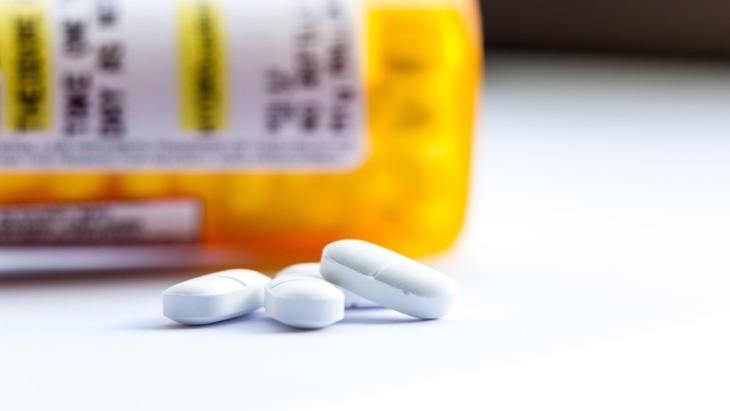
Opioid addiction in Alabama has roots stretching back more than 30 years. Despite real progress and a wide range of inpatient and outpatient relief programs for those with chemical dependencies, the Yellowhammer State still ranks among the worst in the country for opioid prescribing.
If you or someone you love is struggling, understanding how we got here, and what help looks like, is the first step to recovery.
Alabama Became Ground Zero for the Opioid Crisis
Starting in the 1990s, pharmaceutical companies pushed opioids as safe and effective pain relievers, and doctors prescribed them freely. Alabama felt this harder than nearly anywhere else. At the height of the crisis in 2012, the state had a prescription rate of 143.8 opioid prescriptions per 100 people. The number nearly doubled the national average of 81.3 at the time.
That level of prescribing means many Alabamans were touched directly. Folks who started taking opioids for legitimate pain found themselves physically dependent, unable to stop without serious withdrawal symptoms.
As federal guidelines tightened in the late 2010s and prescriptions became harder to get, many people who were dependent on prescription opioids turned to the street to find relief. Then, fentanyl exploded.
Opioid Addiction & the Fentanyl Problem
Opioids consist of a large class of drugs that include painkillers as well as illegal heroin and fentanyl. They bind receptors in the brain to block pain and produce feelings of euphoria. With repeated use, the brain adapts, and stopping becomes extremely difficult without help.
Fentanyl is a synthetic opioid estimated to be up to 100x more potent than morphine. It was originally approved for cancer pain management but entered the illegal drug supply in the early 2010s as a cheaper, more potent alternative to heroin and prescription pills. Today it’s widely laced into other substances, often without the buyer’s knowledge.
Common signs of opioid addiction include:
- Needing more of the drug to get the same effect
- Withdrawal symptoms (sweating, nausea, shaking) when not using
- Loss of interest in work, family, or activities once enjoyed
- Continuing to use despite negative consequences
- Secrecy, isolation, or dramatic changes in behavior
In Alabama, 70% of the 981 opioid overdose deaths recorded in 2021 involved fentanyl, according to the state’s Opioid Overdose and Addiction Council report. On a national scale, fentanyl and other synthetic opioids played a role in 69% of all drug overdose deaths in 2023.
Alabama’s Progress but Still Has Far to Go
The good news for Alabama residents is that the state’s prescription rate has dropped significantly from 143.8 in 2012 down to 68.5 per 100 people in 2024. Nationwide, 2023 marked the first year since 2018 that opioid-related deaths actually declined.
Officials credit two key factors. First, naloxone has become widely available to emergency responders, hospitals, and even families to reverse overdoses quickly. It comes as a nasal spray anyone can use. Second, medications for opioid use disorder are now FDA-approved treatments that reduce cravings and ease withdrawal, making recovery more achievable.
Still, Alabama continues to rank second in the nation for opioid prescriptions, trailing only Arkansas. And only about one in five people with opioid use disorder nationally receives medication treatment, according to the National Institute on Drug Abuse.
Local Alabama Resources Making a Difference
Opioid lawsuit settlements have directed funds to local Alabama programs. In Tuscaloosa, one center, Phoenix House, has used settlement money to expand services for people whose lives have been upended by substance use. Executive Director Jon Tyler, himself a person in long-term recovery, describes Phoenix’s goal to provide a safe, stable environment where people can reconnect with everyday life, find housing and work and build a path forward.
The combination of expanded treatment access, harm reduction availability, and community destigmatization has made a measurable difference. But experts stress the work is far from over.
Finding Addiction Treatment in Alabama
If you or a loved one is showing signs of opioid addiction, reaching out now can save a life. Our directory features treatment centers located across the country, or feel free to dial
800-681-1058
(
