

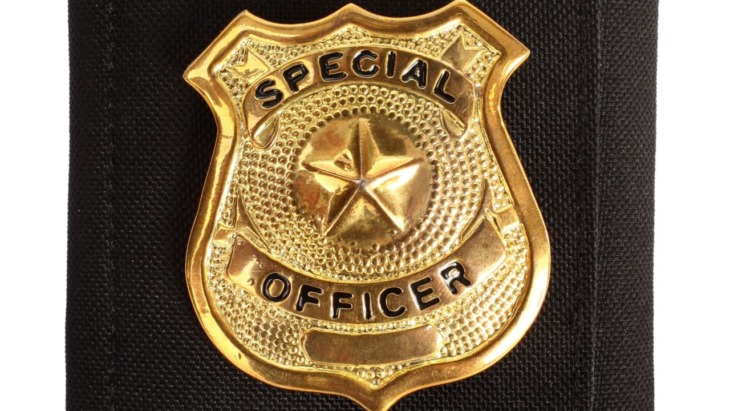
A Bronx opioid overdose that could have ended in a hospital parking lot instead ended with a man awake in the emergency room, and the hospital police sergeant who saved his life is being recognized for it. NYC Health + Hospitals announced that Hospital Police Sergeant Saira Flores gave Narcan to an unresponsive man outside NYC Health + Hospitals/North Central Bronx in New York and called in a medical team that saved his life.
The heroic save reflects the dedication to defeat drug addictions in The Knickerbocker State. Indeed, inpatient and outpatient programs dot the entire state. For New York families dealing with opioid addiction, the story resonates far beyond the headline. Indeed, the following steps decide whether a reversal becomes a recovery.
In the Parking Lot
Flores has worked at North Central Bronx Hospital for eight years. According to the hospital system, she was on a perimeter patrol when a driver tried to enter the ambulance bay from the wrong direction. As she redirected him, he signaled frantically from his window that his friend had overdosed and wouldn’t respond.
She opened the car door and found a man who didn’t appear to be breathing. He was convulsing, his eyes rolled back, and foam came from his mouth. Flores asked what he had taken, got her department-issued Narcan, and gave the first dose through his nose. At the same time, she radioed the emergency room to send staff.
She waited. When he still didn’t respond, she gave a second dose to overcome any opioids. The emergency department’s Director of Nursing, Carlene McLeish, arrived with other staff, and the man was moved into the ED. He regained consciousness later.
Narcan is standard training for hospital police at North Central Bronx. Flores put it plainly: “Applying Narcan, it’s part of the training.”
Opioid Overdose and Naloxone
An opioid overdose happens when opioids slow or stop a person’s breathing. Fentanyl, heroin and prescription painkillers can all cause it, and fentanyl is now mixed into pills and powders sold as other drugs, so people often do not know what they took.
Signs of an opioid overdose include:
- Breathing that is very slow, shallow or has stopped
- Blue or gray lips, fingertips or skin
- Unresponsiveness, including not waking to a loud voice or a hard shake
- Pinpoint pupils
- Gurgling, choking or snoring sounds
- Limp body
Naloxone, sold as Narcan, is a medicine that reverses an opioid overdose by knocking opioids off the brain’s opioid receptors. It comes as a nasal spray, works within minutes, and can’t hurt someone who isn’t on opioids. If the first dose doesn’t work, give a second one, which is exactly what happened in the Bronx.
Anyone can carry it. In New York, naloxone is available at pharmacies without an individual prescription and free through registered opioid overdose prevention programs.
Always call 911. Naloxone can wear off before the opioids do, so the person needs medical monitoring afterward.
Recovery Actually Starts
Naloxone buys time. It doesn’t treat opioid use disorder, and the hours and days right after a reversal are when treatment has the best chance of taking hold. Folks who survive an overdose face a high risk of another one, but that risk drops substantially when medications start quickly.
Medication for opioid use disorder means buprenorphine, methadone or naltrexone, usually combined with counseling. Buprenorphine and methadone come from various treatment providers. Naltrexone is used after a person has fully withdrawn. These are the most effective tools available for opioid addiction, and asking about them is a fair question to bring to any program.
For families, have the next step lined up before it’s needed. Know which local programs can do a same-day assessment, whether they prescribe buprenorphine on site, and whether they accept your insurance or Medicaid.
Addiction Treatment in New York & Beyond
If someone in your life is at risk, do two things. Get naloxone and learn to use it. Then find the nearest program that can start medication for opioid use disorder without a long wait.
Our website’s searchable directory lists verified addiction treatment centers across the entire nation, including programs, with information on levels of care and payment options so you can narrow the list before you call.
To speak with an expert, our helpline at
800-681-1058
(
