

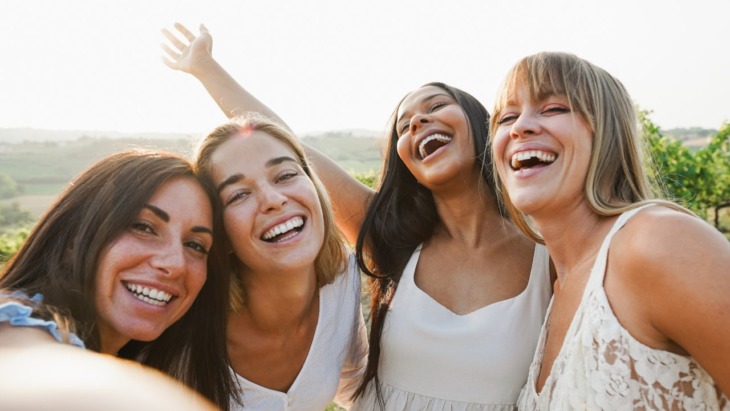
Most conversations about addiction recovery in Minnesota center on the hard parts. A recent gathering near the shores of Lake Pepin took the opposite approach, and it offers a window into something treatment professionals have long understood. Connection and joy are essential parts of how recovery lasts.
On Saturday, June 13, 2026, about 80 people gathered at Hok-Si-La Park in Lake City for a “Having Fun in Recovery” event hosted by the local Recovery Is Happening office. It marked a cheerful moment among residents. The North Star State has over 700 various addictions treatment centers and distributes harm reduction supplies like naloxone. Each life saved means one more person in recovery with a reason to celebrate as they make their way to better health.
A Day Built Around Community
Under the trees, community members and recovery support groups listened to a drum circle and a prayer, then heard from four speakers about what fun looks like in their lives. As the morning went into the afternoon, staff members grilled hot dogs and offered participants the chance to join in activities like sage smudging. Some folks joined a scavenger hunt for hand-painted rocks; others swam and kayaked, with the Prairie Island Indian Community supplying some of the boats.
“We would like to focus on the solution,” relayed Maria Sontag, who runs the Lake City office. Her comments directly rebut the drug cartels that have driven the fentanyl crisis in her state. “We want to focus on healing.”
One speaker, Jenna Christensen, described how sports like golf, running, and basketball became part of her recovery. Another speaker was Makwa Makadagabaw. She’s a certified peer recovery specialist in Minneapolis who assists with Indigenous community members experiencing substance use issues.
Connection Supports Recovery
The event reflects a well-supported idea. Basically, recovery isn’t only about stopping substance use, it’s about building a life that makes staying in recovery worthwhile. Fellowship, hobbies, cultural practice, and community all give people reasons and structure that help sustain change over time.
Peer recovery specialists, like the speakers featured at the event, are people with lived experience of recovery who support others. Many treatment programs and recovery community organizations across Minnesota now include peer support alongside clinical care.
Knowing the Signs and When to Seek Help
If you’re wondering whether you or someone close to you needs help, common signs of a substance use problem include using more than intended, failed attempts to cut back, neglecting responsibilities, withdrawal symptoms, and continued use despite harm to relationships or health.
Recognizing those signs is often the first step toward the kind of community and healing on display in Lake City.
Addiction Treatment in Minnesota & Beyond
Events like this one are part of a wider recovery network, but they work best alongside treatment when it’s needed. If you’re looking for help in southeast Minnesota or anywhere in the country, you can search addiction treatment centers in our directory and filter by location, level of care, and insurance. Or simply call
800-681-1058
(
