

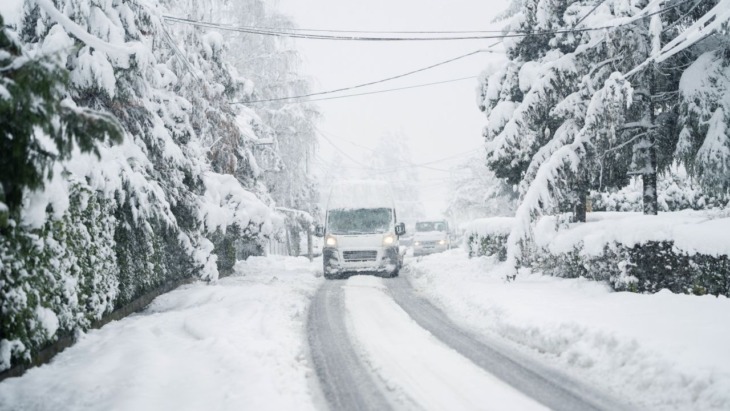
If you rely on daily methadone treatment and live on Cape Cod, Massachusetts, a county report released this summer contains warning as the winter months approach. During the February blizzard, emergency shelters on the Cape weren’t equipped to keep people connected to that care.
Even though The Bay State has a wide array of programs available for those who need housing, an after-action review of Barnstable County’s storm response identified five mission critical gaps. Medical staffing at shelters was described as critically inadequate. The report specifically noted that acute medical shortages recurred at multiple sites due to access to methadone treatment, dialysis and advanced dementia care.
The Report on Cape Cod
The February 23 blizzard brought hurricane-force winds and record snowfall and left 153,000 Cape Codders without power. Three local shelters opened during the storm: Barnstable Intermediate School, Dennis-Yarmouth Regional High School and Cape Cod Tech in Harwich.
Emergency management director Andrew Platt presented the review to the Barnstable County commissioners on July 8. He observed how medical staffing was critically lacking and that the county didn’t see a large deployment from its Medical Reserve Corps.
With clinical staff scarce, 18 AmeriCorps members and other untrained support group personnel became what the report called the de facto caregivers for a medically complex population. The report relayed how group homes and home health agencies dropped clients at shelters without staff, supplies or medical information.
At the height of the snowstorm, Dennis-Yarmouth sheltered 250 folks, Barnstable had 150 and Cape Cod Tech 41.
Interrupted Methadone Treatment is a Problem
Methadone and buprenorphine are medications used to treat opioid use disorders. It reduces cravings and withdrawal symptoms and lowers overdose risk and is usually dispensed daily through a licensed opioid treatment program That daily structure makes it vulnerable during a disaster.
When doses are missed, withdrawal can begin within roughly a day. Symptoms include nausea, vomiting, muscle aches, sweating, agitation, insomnia and intense cravings. Opioid withdrawal is rarely fatal on its own, but is severe enough that people commonly return to use to stop it. Tolerance drops quickly during any gap, which raises overdose risk on return.
For someone in a shelter during a storm, that combination is the danger. The person is away from their clinic, often without transportation, in withdrawal, and surrounded by strangers.
Barnstable County in the Midst of Change
The report recommended a minimum staffing standard of at least one nurse and one nursing assistant per shelter in the county’s formal shelter plan. Platt also told commissioners the Regional Shelter Plan hasn’t been updated since 2017. It’s also not a binding contract and the county needs written agreements with towns and partners defining responsibilities rather than handling them case by case.
The 87-page report was written by Platt and other officials. They drew on surveys and five roundtable sessions with 90 participants. Commissioners have since voted to reorganize the county’s emergency preparedness division with Platt as a new department director.
The review also credited successes. Family Table Collaborative in South Yarmouth distributed 17,000 meals. The Cape Cod Regional Transit Authority provided hundreds of rides, including transfers when the Nauset Regional High School shelter closed after its heating control system failed to connect to its generator.
Protect Your Treatment Before the Next Storm
If you or a family member is in medication assisted treatment, a short conversation with your clinic now is worth more than any plan made during a storm.
Ask your opioid treatment program for its emergency protocol and whether guest dosing at another clinic or take-home doses can be arranged when travel is unsafe. Look into documentation and resources you would need to carry. Keep your clinic’s name, phone number, dose and prescriber written down somewhere that doesn’t depend on a charged phone. If you use naloxone, keep it with your storm supplies.
For folks supporting someone else, know the warning signs that a dose has been missed, including sweating, restlessness, stomach cramps and rising agitation. Raise it with shelter staff early rather than waiting.
Finding Addiction Treatment on Cape Cod & Beyond
Barnstable County features a wide range of outpatient counseling and residential care, although options thin out toward the Outer Cape. If you’re looking for addiction treatment options nearby, compare programs on hours, transportation and whether they coordinate care during emergencies.
Our directory features addiction treatment centers across the entire country by city and level of care so you can see what is available near you and what each program offers. You can also call
800-681-1058
(
