

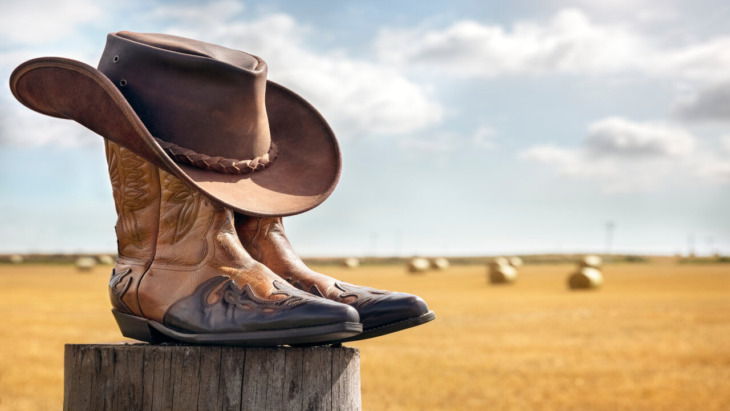
“Cowboy culture” has long prized toughness and self-reliance, but a Pueblo County nonprofit is proving that seeking help for addiction takes just as much strength. For rural Coloradans who struggle to access addiction treatment, a new kind of community is forming around an unlikely gathering place: the rodeo arena.
Sober Cowboy, founded by Lacey Singleton, connects cowboys, rodeo athletes, and people in the western industry with addiction recovery resources.
The organization recently held its annual 8 Seconds for Addiction Xtreme Roughstock Rodeo fundraiser at the Colorado State Fairgrounds’ Big R Arena in Pueblo, featuring bull riding, barrel racing, and live music alongside a serious message: addiction does not skip the cowboy community, and help is available.
Why “Cowboy Culture” Makes Addiction Harder to Talk About
In cultures built around grit and independence, admitting to a struggle with drugs or alcohol can feel like weakness. That silence keeps people from seeking addiction treatment, sometimes with fatal consequences.
Singleton started the organization because of her own family’s history with addiction, driven by a passion for providing recovery resources to people who don’t have easy access to them.
Most cowboys, farmers and ranchers live rurally, making it difficult to reach recovery resources like AA or NA meetings. Sober Cowboy creates a community that allows members to find connection, even if it’s just a text message or a friend in the group.
When someone struggling with addiction can’t easily reach drug rehabs or counseling services, the problem often goes untreated, and worsens.
Understanding Addiction in Rural Communities
Addiction is a medical condition in which a person compulsively uses a substance despite harmful consequences. It affects people of every background, including those in physically demanding professions like ranching and rodeo, where injury is common and pain management, often involving opioids or alcohol, can quietly lead to dependence.
Common signs of addiction include:
- Using more of a substance than intended
- Continuing use despite problems at work, home, or in relationships
- Withdrawing from friends, family, or activities once enjoyed
- Feeling unable to stop or cut back
- Experiencing withdrawal symptoms when not using
Stigma, the shame and judgment attached to addiction, is one of the biggest reasons people don’t seek help. In tight-knit rural communities, that stigma can be especially powerful.
Recovery Is Growing in Pueblo County
The numbers out of Sober Cowboy are encouraging. In the past year, the number of members in active recovery doubled from 30 to 60.
Singleton describes the recovery happening within these communities as a remarkable thing to witness. That growth reflects what happens when addiction treatment is offered within a cultural context people already trust.
The rodeo fundraiser serves a dual purpose: raising money to expand the organization’s reach, and demonstrating that sobriety and western identity are not at odds.
Finding Addiction Treatment in Colorado
If you or someone you love is showing signs of addiction, the first step is finding professional support. Addiction treatment in Colorado range from medical detox and inpatient rehab to outpatient counseling and peer support groups like the one Sober Cowboy provides.
You don’t have to live near a city to get help. Many offer telehealth services, rural outreach programs, and sliding-scale fees. Addictions.com lists verified addiction treatment centers near Pueblo and throughout Colorado. Call
800-681-1058
(
